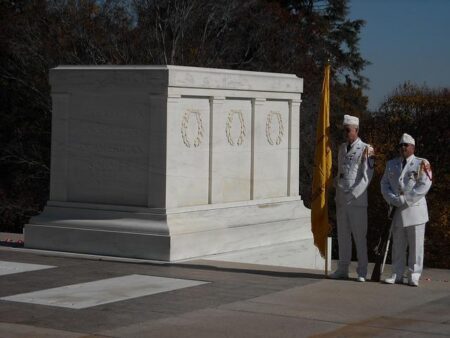




As the United States approaches its 250th birthday in 2026, the Pentagon is positioning the armed forces at the center of the national semiquincentennial story. A newly structured slate of commemorations lays out how the Department of Defense intends to mark the milestone—with ceremonies, educational outreach, and global public engagements that stretch across every military branch. From quiet remembrances to large-scale community programs, the plan is designed to honor the nation’s revolutionary roots, examine its evolving history, and showcase how the military has protected American democracy over two and a half centuries.
A year of observances: Pentagon releases calendar for America’s 250th birthday
The Defense Department has rolled out a comprehensive, yearlong program of events that traces America’s journey from colonial rebellion to modern military power. Coordinated with federal agencies, state governments and local communities, the schedule blends solemn battlefield observances with cutting-edge displays of today’s defense capabilities.
The calendar emphasizes three core themes: service, innovation and a shared national identity. Officials say these guiding ideas will shape everything from national ceremonies to neighborhood-level outreach, with the goal of connecting the Revolutionary era to the present-day force.
Notable elements of the plan include rotating open-base days, heritage flyovers above historic landscapes, and classroom engagements that pair service members with students nationwide. Historic sites tied to America’s founding will receive heightened focus, with curated reenactments, multi-service honor guards, and synchronized fireworks shows designed to bring early American history to life.
To help the public track the activity, the Pentagon is building a centralized online hub that will act as the main portal for the semiquincentennial observances. Communities are being encouraged to time local parades, festivals and school programs around the key national moments on the calendar.
Among the featured initiatives:
- Nationwide ceremonies at Revolutionary and later-era battlefields, memorials and monuments
- STEM-focused expos spotlighting robotics, AI, space operations and other emerging defense technologies
- Veteran storytelling projects hosted in schools, libraries and civic centers
- Joint-service concerts that combine bands, choirs and ceremonial units from multiple branches
- Interactive online archives chronicling 250 years of military milestones and key turning points
| Month | Focus Event | Location |
|---|---|---|
| January | Opening Commemoration Ceremony | Washington, D.C. |
| April | Revolutionary War Heritage Week | Boston, MA |
| July | Independence Anniversary Tribute | Philadelphia, PA |
| September | Innovation & Readiness Expo | San Antonio, TX |
| November | Nationwide Veterans Salute | Multiple Cities |
Inside the strategy: How the Defense Department is shaping the semiquincentennial
Within the Pentagon, planning teams are treating the 250th anniversary as both a historic observance and a large-scale test of operational coordination. Cross-service working groups are meeting regularly with historians, civic leaders and local officials to align flyovers, fleet reviews, and living-history demonstrations with existing training schedules and readiness requirements.
The overarching objective is to create a steady rhythm of commemorations across the country and overseas. Planners emphasize that events must highlight today’s capabilities while drawing a clear thread back to the Continental Army, early naval forces and the first state militias—without compromising essential missions or deployments.
Internal working documents point to a layered strategy that ranges from small-town recognition ceremonies to highly visible international showcases. Priority areas include:
- Joint-service events that bring together all branches for pivotal dates in 2025–2026
- Community integration through base open houses, ship tours, and outreach in local schools
- Historical reenactments planned around major Revolutionary War battles and anniversaries
- Modern technology spotlights with demonstrations of space operations, cyber defense and unmanned systems
To manage the complexity, the Pentagon has divided responsibilities among specialized cells:
| Planning Cell | Primary Focus | Sample Output |
|---|---|---|
| Joint Ceremonies Team | National-level observances | Capital flyovers, joint parades |
| Legacy & History Group | Storytelling and education | Traveling exhibits, digital timelines |
| Community Outreach Cell | Civil-military engagement | Base tours, school programs |
In recent years, public interest in military history and service has grown, with major anniversaries—such as the 75th anniversaries of World War II milestones—drawing millions of in-person and online participants. Planners expect the semiquincentennial to generate a similar or even larger level of engagement, particularly through digital and social platforms.
On the ground and in the air: What service members and families can expect
For service members, veterans and military families, the semiquincentennial calendar is designed to feel like a living museum stretched across installations worldwide. Early in the day, communities will see aircraft flyovers, precision color guard ceremonies and joint-service parades that highlight long-standing traditions and drill.
Many bases are organizing open-house experiences that feature static displays of both historic and next-generation equipment, from restored aircraft and vehicles to modern fighters and cyber operations centers. Guided tours will trace the evolution of U.S. defense over 250 years, with docents explaining how tactics, technology and training have changed since the Revolutionary War.
Designated family zones will be staffed by volunteers, military spouses and youth organizations. Activities there may include hands-on flag-folding instruction, uniform try-on stations for children, and interactive timelines that let visitors explore key battles and turning points.
As the sun goes down, the tone of events will shift toward reflection and storytelling. Installations are planning outdoor film screenings, live concert series and spoken-word or reading programs that delve into the personal narratives behind medals, campaign ribbons and memorials. Chapels and community centers are expected to host interfaith observances, remembrance vigils and opportunities for quiet reflection.
Morale, Welfare and Recreation offices and partner organizations will help make gatherings family-friendly and accessible, working with food trucks, local businesses and themed concession options to keep costs manageable and encourage broad attendance.
Service members and their loved ones can anticipate:
- Base-wide ceremonies with representation from multiple branches and units
- Family festivals featuring kid-oriented zones, historical crafts and educational games
- Patriotic concerts by military bands as well as local orchestras, choirs and contemporary groups
- Documentary and feature film nights shown outdoors with picnic-style seating
- Veteran panels where former service members share first-hand experiences from conflicts across generations
Typical event rhythms will vary by installation, but the general structure looks like this:
| Event Type | Typical Time | Family Focus |
|---|---|---|
| Flyovers & Ceremonies | Morning – Midday | All ages, public viewing |
| Base Open Houses | Midday – Afternoon | Tours, kids’ activities |
| Concerts & Screenings | Evening | Relaxed, picnic-style seating |
How to attend key events and get involved in the 250th anniversary commemorations
For members of the public, defense officials recommend starting with the Pentagon’s official digital calendar, which will serve as the central listing for ceremonies, concerts, educational programs and community outreach efforts as they are confirmed. As dates go live, installation public affairs websites and social media channels will provide more detailed guidance, including access rules, registration links and security requirements for each event.
Some observances—such as base open houses, outdoor ceremonies and large public concerts—are expected to be open to all, subject to standard security screening. Others, including certain wreath-laying events or briefings involving sensitive material, may be limited to invited guests, credentialed personnel or pre-registered participants.
Organizers are also encouraging Americans to take part in longer-term volunteer and educational initiatives associated with the semiquincentennial. Local bases, veterans service organizations, museums and school districts are planning collaborative projects such as oral history collections, mentorship programs for students interested in public service, and community service days branded under the 250th anniversary theme.
Ways to participate include:
- Check the Pentagon’s online calendar periodically for new dates, times and locations.
- Contact base public affairs offices to learn about visitor passes, parking, and gate procedures.
- Monitor official social media channels for updates on weather-related changes, schedule adjustments and livestream options.
- Coordinate with local schools and civic groups to join or co-host educational and commemorative events.
- Join volunteer drives that assist troops, veterans and military families in connection with the observances.
Access will differ depending on the type of event:
| Event Type | Typical Access | How to Join |
|---|---|---|
| Commemorative ceremony | Public with pre-screening | RSVP via base website |
| Historical lecture | On-site & virtual | Register for webinar link |
| Parade or flyover | Open viewing areas | Arrive early; follow traffic guidance |
| Volunteer project | Community participants | Sign up through partner nonprofits |
The Conclusion
As the nation moves closer to its 250th birthday, the Pentagon’s expanding calendar offers a preview of how the Defense Department intends to tell the story of American service, sacrifice and identity to a new generation. Additional events and program details will continue to roll out, but officials say the central aim is clear: to use the semiquincentennial not only to honor the past, but to connect the U.S. military’s history with the people who serve in uniform today.
In effect, the calendar doubles as a roadmap for a milestone year—one that will unfold not just in Washington, D.C., but on bases, ships and installations across the United States and around the world.