




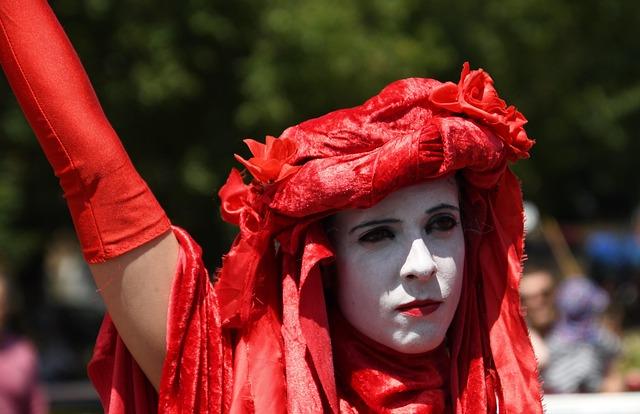
Tens of thousands of people flooded downtown districts across the United States and Europe over the weekend for synchronized “No Kings” demonstrations, signaling a fast‑growing challenge to the rise of strongman politics and the weakening of democratic norms. In Minneapolis–St. Paul, the movement staged one of its most visible and star‑studded gatherings to date, with rock legend Bruce Springsteen anchoring a massive rally that organizers describe as a breakthrough moment for the campaign’s reach and recognition.
From Washington to Warsaw, marchers hoisted matching black‑and‑white “No Kings” placards and chanted against what they view as creeping authoritarianism and unchecked executive power. Politicians, activists, researchers, and artists used stages and street corners to press for renewed civic participation, stronger institutions, and clear limits on leaders. The Minnesota event, carried live on national television and multiple streaming platforms, became the symbolic centerpiece of the day—illustrating how popular culture and celebrity influence are being deployed to push a message of resistance in an era of democratic strain on both sides of the Atlantic.
Springsteen turns Minnesota protest into centerpiece of global No Kings wave
Under a muted autumn sky in downtown St. Paul, Bruce Springsteen transformed a political rally into something closer to a mass town hall set to music. Between stripped‑back performances, he stood shoulder‑to‑shoulder with union organizers, student activists, and immigrant‑rights advocates, casting the gathering as a stand‑off against “power that forgets who it’s supposed to answer to.” A reworked version of “Born in the U.S.A.” leaned hard into its critique of injustice, underscoring the night’s anti‑authoritarian theme rather than patriotic nostalgia.
Giant screens flanking the stage stitched the Minnesota crowd into a broader tapestry of “No Kings” events unfolding in London, Berlin, and Madrid. Live feeds showed European demonstrators raising hand‑painted signs, singing reimagined protest standards, and waving banners that echoed the same core demand: no more leaders who stand above the rules that govern everyone else.
The St. Paul protest drew a notably mixed crowd—rural residents in work boots, nurses still in scrubs, office workers on late lunches, and high‑school students skipping weekend shifts. Many had fashioned their own “No Kings” signs, pairing the phrase with calls for fair elections, press freedom, and restraints on executive power. Speakers folded specific reforms—like campaign‑finance transparency, tighter term limits, and independent watchdogs—into a broader argument that democracies must avoid sliding into quasi‑dynastic, “hereditary” politics where influence is passed through families and donor networks instead of earned at the ballot box.
The tightly programmed rally alternated policy-heavy remarks with cultural performances, keeping the crowd locked in from early afternoon through sunset:
- Opening remarks from neighborhood organizers and veteran labor leaders framing the “No Kings” message
- Acoustic set by Bruce Springsteen focused on economic justice, worker dignity, and democratic accountability
- Youth coalition segment featuring high-school and college speakers outlining next‑generation demands
- Transatlantic solidarity livestream linking the Minnesota rally with parallel protests in major European capitals
| City | Approx. Crowd | Core Theme |
|---|---|---|
| St. Paul, MN | 25,000 | Democratic safeguards |
| London, UK | 15,000 | Limits on executive power |
| Berlin, DE | 10,000 | Media independence |
| Madrid, ES | 8,000 | Civic participation |
How music, memes, and social media power a cross‑Atlantic No Kings network
Instead of relying on traditional press conferences and party structures, “No Kings” organizers are treating the movement like a loosely connected digital festival. From Dublin’s riverside promenades to Minneapolis intersections, local groups are swapping leaflets for playlists and hashtags. Neighborhood collectives assemble shared Spotify and YouTube playlists, TikTok “sound templates,” and Instagram Reels that splice together Springsteen anthems, crowd chants, and remixed folk standards. These soundtracks are then synced with live protest streams, turning familiar melodies into easy on‑ramps for political engagement.
Organizers say that a catchy chorus often does the work that long manifestos used to: a few seconds of music becomes both invitation and slogan. Encrypted messaging channels on WhatsApp, Signal, and Telegram broadcast geo‑tagged meeting points and last‑minute route changes, while small “creator pods” of micro‑influencers post short, captioned clips designed to be watched without sound in busy social feeds.
Behind that seemingly spontaneous wave of content sit ad‑hoc media collectives that borrow tactics from fan communities, gaming clans, and K‑pop “stan” culture more than from classic campaign war rooms. Their toolkit includes:
- Timed music drops that trigger at march step‑offs, key speeches, or sit‑downs to build shared emotional peaks
- Coordinated hashtag storms meant to trend simultaneously in major U.S. and EU cities, pushing “No Kings” into mainstream timelines
- Ground‑level livestreams from phones and drones that blend separate rallies into one continuous, cross‑border protest feed
- Volunteer content hubs that ingest raw footage, edit vertical clips, and add subtitles within minutes of an event
| City | Key Track | Main Platform |
|---|---|---|
| Minneapolis | “Born to Run” | Instagram Live |
| Berlin | Indie remix | TikTok |
| Dublin | Street folk set |
The strategy is tailored for an online environment where attention is scarce. According to recent social media usage data in the U.S. and Europe, more than 60% of adults under 35 say they encounter political content first on platforms like TikTok, Instagram, or YouTube rather than through news sites—precisely where “No Kings” organizers are investing their energy.
Anti‑monarchy sentiment reveals deeper anger at political and economic elites
Analysts who have been tracking the “No Kings” message stress that it goes far beyond opposition to royal families. Instead, they argue, the slogan has become shorthand for a sweeping frustration with what protesters see as a closed ecosystem of unaccountable power—whether that power is inherited through royal lineage, accumulated in family political dynasties, or cemented through billionaire donor networks and corporate lobbyists.
In cities from Minneapolis to Madrid, demonstrators frequently mention offshore wealth, lobbying access, and cozy relationships between long‑standing parties and their financial backers. The sense that key decisions on issues like housing, healthcare, and climate are being made in private, far from public scrutiny, is fueling what researchers describe as a crisis of political trust. Polls across Western democracies have recorded declining faith in parliaments and congresses, with younger voters especially skeptical of elites whose personal fortunes seem to grow regardless of economic downturns.
Social platforms have accelerated this mood shift. Protest memes, sarcastic edits of royal ceremonies, and viral threads sharing leaked financial data or investigative reports have carried anti‑monarchy and anti‑corruption messages from niche activist circles into everyday conversation. According to survey data from several European research institutes, support for reducing or reforming monarchical powers has climbed in key countries where economic pressures and austerity have bitten hardest.
Researchers who study the movement’s rhetoric note several recurring grievances in speeches, placards, and online posts—grievances that increasingly blur the line between opposing monarchy and contesting elite rule more broadly:
- Accountability gaps: Protesters argue that hereditary status and lifetime privileges clash with democratic norms that demand leaders be answerable to voters, the press, and independent courts.
- Economic symbolism: Palaces, royal estates, and ceremonial spending are presented as stark visual contrasts to stagnant wages, spiralling rents, and underfunded public services.
- Cultural realignment: Younger, more diverse populations question whether historic monarchical traditions reflect the values and identities of modern, secular, and multicultural societies.
| Region | Key Grievance | Public Mood |
|---|---|---|
| U.S. | Elite donor and lobbyist influence over parties | Wary, confrontational |
| U.K. | Royal finances, lobbying access, and opaque conventions | Divided, increasingly skeptical |
| EU states | Unelected power in economic governance and austerity decisions | Restless, reform‑minded |
Experts say tackling inequality and secrecy is key to defusing No Kings unrest
Think tanks and watchdog organizations in Washington, London, and Brussels were quick to leverage the attention surrounding the Minnesota rally. Within hours of Springsteen’s closing song, a coalition of policy institutes released a joint brief arguing that symbolic criticism of “kings” and strongmen must be met with concrete, near‑term reforms—otherwise, they warn, anger will continue to spill into the streets.
The brief centers on three core priorities: reducing extreme wealth gaps, tightening controls on executive power, and exposing money in politics to full public scrutiny. Researchers say the “No Kings” slogan resonates because it taps long‑standing disappointment over how bailouts, pandemic spending, and large government contracts have been handled. Citizens often feel that the costs of crisis management fall on ordinary taxpayers, while the benefits are captured by a small circle of politically connected firms and families.
To turn protest energy into durable change, experts outline several measures they say could realistically be adopted within a single election cycle in many democracies:
- Real‑time disclosure of big money by publishing up‑to‑the‑minute data on large political donations, super PAC funding, and high‑level lobbying meetings.
- Stricter conflict‑of‑interest rules that limit lawmakers’ stock portfolios, side consultancies, and revolving‑door moves into regulated industries.
- Expanded citizen oversight through independent audit and ethics boards that are required to release clear, public reports on misconduct and waste.
- Direct action on inequality via progressive tax updates, strengthened minimum wages indexed to inflation, and enforcement against aggressive tax avoidance.
| Region | Top Expert Demand | Proposed Timeline |
|---|---|---|
| United States | Nationwide, real‑time donor and lobbyist registry | 12 months |
| European Union | Unified, transparent EU‑wide lobbying database | 18 months |
| U.K. | Comprehensive wealth tax and royal‑finance review | 9 months |
Several of these proposals mirror recommendations from international organizations that have warned about democratic “backsliding” and rising inequality in recent years. According to recent OECD and IMF analyses, countries with higher levels of perceived corruption and income inequality tend to experience more political polarization and protest activity—precisely the landscape in which “No Kings” has emerged.
Conclusion: No Kings as a stress test for modern democracies
As evening settled over St. Paul and Springsteen’s final chords dissolved into the cool air, the crowd’s “No Kings” chants continued to ricochet off office towers and apartment blocks. That echo now stretches well beyond Minnesota, resonating in capital cities and small towns where people are questioning who truly holds power and how they can be held to account.
Whether this wave of rallies will harden into lasting political victories—new laws, new watchdogs, new norms—or fade as news cycles move on is still unclear. What is evident is the breadth of the coalition: farmers and coders, health‑care workers and artists, teenagers and retirees. Their shared message is less about party labels than about principle: in a democracy, no leader—elected, inherited, or self‑styled—should float above the institutions designed to constrain them.
For organizers, the challenge now is to maintain momentum after the stages are packed away: building local chapters, translating slogans into campaigns, and staying visible between elections. For policymakers, the pressure is to respond with meaningful reforms instead of symbolic gestures alone. As “No Kings” rallies continue to flare across the Atlantic world, they are likely to remain a barometer of public frustration—and a test of whether democratic systems can still adapt before distrust hardens into something more permanent.


