




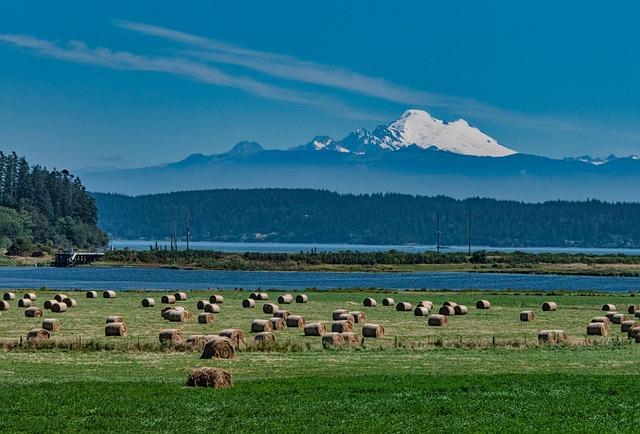
Washington state crossed a critical threshold on April 8, when the Department of Ecology issued a formal statewide drought emergency after an exceptionally poor winter snow season. With mountain snowpack in the Cascades measuring well below normal, the state’s primary natural water reservoir is running on empty. The fallout will ripple across communities, farms, fish habitat, forests, and hydropower operations as Washington heads toward a hotter, drier summer with less water in reserve and higher wildfire risk.
Snow-Starved Cascades Push Washington Into a Statewide Drought Emergency
Washington’s winter, which increasingly felt more like an extended fall, left much of the Cascades with bare ridges where deep snow should be lingering into spring. Automated snow telemetry (SNOTEL) stations showed snowpack sitting at only a fraction of typical levels in many key watersheds. That snow traditionally melts gradually, feeding rivers and replenishing reservoirs that support municipal supplies, irrigation districts, and fish-bearing streams through late summer.
This year, a succession of unusually warm storms fell as rain rather than snow, triggering earlier runoff and leaving little stored as snowpack. Instead of a slow-release “water bank” in the mountains, much of that moisture has already moved downstream and out of the system. Recognizing the potential for severe shortages, the Department of Ecology moved from monitoring localized deficits to declaring a full-scale, statewide drought emergency.
The declaration allows the state to activate a suite of rapid-response tools to manage scarce supplies and prioritize critical needs. State, tribal, and local partners are coordinating on measures such as:
- Emergency water-rights transfers to route limited water to the communities, farms, and sectors at greatest risk.
- Drought-response grants for small utilities and rural drinking water systems confronting immediate shortages.
- Enhanced streamflow and temperature monitoring to help protect endangered and threatened fish species.
- Public conservation campaigns targeting reductions in outdoor watering, lawn irrigation, car washing, and other discretionary uses.
| Region | Snowpack vs. Normal | Primary Concern |
|---|---|---|
| Central Cascades | ~45% | Irrigated agriculture |
| North Cascades | ~40% | Hydropower & reservoirs |
| South Cascades | ~35% | Fish habitat & instream flows |
While some late-season storms are still possible, climatologists note that by April, odds of a meaningful recovery in snowpack are low. The state is instead planning for constrained river flows, earlier and more intense wildfire conditions, and mounting pressure on already stressed water systems.
Farmers, Irrigation Districts, and Salmon Streams Prepare for a Lean Water Year
Across central and eastern Washington, irrigation managers are rewriting the playbook for a season defined by shortage. Systems that typically count on a robust spring snowmelt now see reservoir levels that mirror what they would expect at the tail end of summer.
Canals and diversions are being re-operated to stretch supplies. Many irrigation districts are:
- Drafting rotational delivery schedules to share limited water among users.
- Encouraging growers to shift toward less water-intensive crops or reduce planted acreage.
- Preparing for earlier-than-normal curtailments, especially for junior water-right holders.
Under Washington’s water law, junior water-right holders are among the first to see cutbacks in times of shortage, but this year’s deficit may be deep enough that even senior rights holders will experience reduced deliveries. With major storage projects projecting below-normal refill, many producers face tough decisions about which fields to prioritize and how to protect perennial crops like orchards and vineyards.
Key considerations for irrigation districts this year include:
- Priority focus: Keeping long-lived crops and high-value orchards alive through the peak of summer.
- Major concern: Avoiding complete mid-season shutoffs during heat waves when water demand spikes.
- Near-term response: Voluntary conservation, emergency transfers, and close coordination among districts.
- Longer-term risk: Stress on aging infrastructure, financial losses for producers, and potential fallowing of marginal lands.
Forecasts for major river basins reflect the challenging outlook:
| River Basin | Forecasted Summer Flow | Primary Impact |
|---|---|---|
| Yakima | ~55% of normal | Reduced irrigation rotations and potential acreage cuts |
| Skagit | ~60% of normal | Less cold-water refuge for salmon and other coldwater species |
| Columbia Tributaries | ~50–65% of normal | Intensified competition between instream needs and agricultural use |
For salmon-bearing rivers already grappling with rising temperatures and changing flow patterns, reduced water levels compound existing stressors. Thinner flows generally mean:
- Shallower channels and more exposed gravel bars.
- Higher water temperatures, which can exceed safe thresholds for salmon and steelhead.
- Fewer deep pools and side channels where fish rest, rear, and spawn.
Biologists warn that endangered and threatened runs could encounter passage barriers significantly earlier in the season as key migration corridors become fragmented. In response, state and tribal co-managers are considering emergency measures such as:
- Targeted releases from upstream reservoirs to bolster instream flows at critical periods.
- Temporary closures of sensitive reaches to recreational use to reduce disturbance and bank erosion.
- Focused habitat protection projects to maintain cool-water refuges and shaded riparian zones.
As summer progresses and irrigation withdrawals increase, state and federal regulators will face mounting pressure to balance legally established water rights with obligations under the Endangered Species Act to safeguard salmon and steelhead populations.
Rural Drinking Water Systems Struggle With Falling Wells and Escalating Costs
In many rural parts of Washington, the drought emergency is most visible at the wellhead. Communities depending on small group systems or private wells are already seeing water levels drop as aquifers fail to recharge at typical rates. Pumps that once drew reliably are beginning to sputter or pull air, forcing local water managers into a cycle of urgent, high-cost fixes.
Common costly emergency responses include:
- Trucking in potable water to refill storage tanks and maintain basic household and firefighting capacity.
- Drilling new or deeper wells on short notice, often at substantial expense for small districts.
- Rehabilitating low-yield wells and replacing failing pumps to eke out a bit more production.
- Temporary interties that connect small systems to neighboring utilities for supplemental supplies.
These reactive measures strain the finances of rural water systems, many of which already operate with limited staff, aging infrastructure, and modest ratepayer bases. Higher operating costs frequently translate into increased monthly bills, surcharges, or new debt, placing added pressure on households and small farms.
Falling groundwater levels can also exacerbate water quality concerns. As aquifers decline, contaminants may become more concentrated, and some wells may start drawing from deeper layers with naturally elevated minerals or other water-quality challenges, increasing treatment costs and complicating compliance with drinking water standards.
Typical impacts of emergency actions on rural communities include:
| Action | Typical Rural Impact |
|---|---|
| Trucked-in water | Higher monthly bills and new service surcharges for customers |
| New emergency well | Additional debt for small districts, often delaying other needed upgrades |
| Mandatory restrictions | Reduced landscape and pasture irrigation, increased stress on small farms and businesses |
To avoid lurching from crisis to crisis each summer, many rural systems are now pursuing short-term stopgaps while seeking longer-term investments through state and federal drought-relief and infrastructure programs.
State Leaders Push Early Conservation and Accelerated Drought Relief Funding
Following the drought emergency declaration, state agencies moved quickly to encourage early conservation targets before hot, dry weather drives up demand. By acting early, officials hope to stretch limited supplies, reduce the need for abrupt mandatory cutbacks, and give water providers more time to adapt.
Communities and utilities are being asked to:
- Activate drought contingency plans that prioritize essential uses such as drinking water, sanitation, and fire protection.
- Encourage customers to scale back outdoor irrigation, fill pools less frequently, and fix leaks promptly.
- Prepare for the possibility that voluntary reductions may need to transition to formal restrictions in the hardest-hit basins.
At the same time, the state is working to fast-track drought relief funds to areas already experiencing shortages. The Department of Ecology is collaborating with lawmakers, local governments, and water managers to streamline application processes, shorten review timelines, and prioritize projects that deliver immediate benefits.
Funding will be directed toward:
- Agricultural emergency assistance to protect crops, orchards, and livestock and support temporary water supplies.
- Public drinking water system upgrades, including backup wells, storage improvements, and emergency interties.
- Fish and habitat protection projects that maintain or restore critical flow and temperature conditions in key streams.
- Community resilience initiatives like leak detection, water reuse, and efficiency upgrades in homes and businesses.
Examples of priority drought-response actions include:
| Priority Area | Example Action |
|---|---|
| Agriculture | Short-term pumping or trucking of water to protect high-value crops and perennial plantings |
| Drinking Water | Drilling backup wells or adding storage for small rural systems |
| Environment | Installing temporary structures and enhancing cool-water refuges to support salmon |
| Local Governments | Fast-tracked grants for leak detection, repair, and efficiency upgrades |
Alongside these targeted projects, agencies are encouraging long-term strategies such as watershed-scale planning, conservation-based rate structures, and investments in modern irrigation technology, all aimed at making communities more drought-resilient in a warming climate.
Looking Ahead: A Long Dry Season Begins
With the drought emergency now in place, Washington is entering a decisive period that will shape how the state manages water in the coming months. Water managers, farmers, utilities, tribes, and local governments all face difficult decisions about allocating a limited resource amid competing demands.
The Department of Ecology will continue updating forecasts as new snow, temperature, and streamflow data become available, but its current outlook underscores a consistent message: in the absence of a significant and unlikely shift in weather patterns, Washington must plan for sustained and widespread water shortages.
For communities across the state, the April 8 declaration is not merely an administrative step—it marks the beginning of a prolonged and uncertain dry season, one that will test existing infrastructure, challenge long-standing water arrangements, and accelerate conversations about how to adapt to a future where droughts are expected to become more frequent and more severe.


