


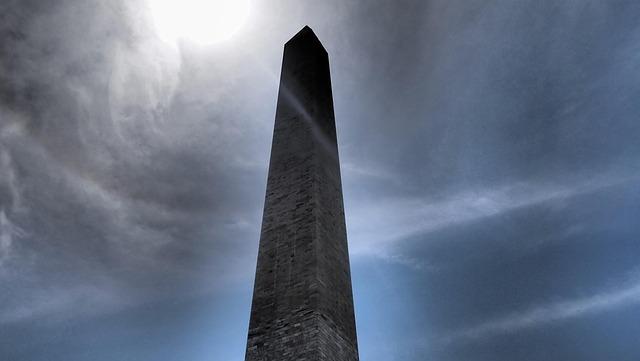
Elon University has opened applications for its New Study USA: Washington, D.C. program for summer 2026, offering students a deeply immersive blend of coursework, internships and real-world engagement in the nation’s capital. This Study USA experience situates participants inside the city’s powerful policy, media, nonprofit and advocacy ecosystems, allowing them to study and work where national decisions are made.
As part of Elon’s broader emphasis on high-impact, experiential education, the Washington, D.C. summer 2026 cohort will benefit from expanded partnerships, more robust internship placements and strengthened on-site support. Students will live, learn and work in one of the most influential metropolitan regions in the United States, gaining a perspective on global affairs without leaving the country.
Washington, D.C. Study USA 2026: A New Pathway for Summer Learning and Career Exploration
Launching in summer 2026, Elon’s faculty-led Study USA program in Washington, D.C. is designed to put students face-to-face with the institutions and actors that shape both domestic and international policy. Instead of only studying politics and media from a distance, students will examine how decisions are made inside congressional suites, federal agencies, advocacy offices and national newsrooms.
The program integrates intensive academic coursework with guided field experiences, giving participants direct exposure to the policy debates, negotiations and communication strategies that define life in the capital. Students will explore how federal decisions ripple outward to local communities, while cultivating professional contacts through alumni events, panel discussions and site-based learning.
The experience is open to students from all disciplines who are curious about public policy, communications, global issues, advocacy and leadership. Key components include:
- Engaged academic seminars centered on policy-making, advocacy strategies and democratic participation
- Faculty-guided visits to key institutions such as Capitol Hill, the Supreme Court and leading media organizations
- Career-focused programming including panels, networking sessions and mentoring with Washington-based Elon alumni and partner organizations
- Short-term housing in D.C. with residential accommodations arranged in accessible, transit-friendly neighborhoods
| Program Feature | Details |
|---|---|
| Term | Summer 2026 (Session I & II) |
| Location | Washington, D.C. |
| Credits | Up to 8 credit hours |
| Focus Areas | Policy, media, leadership |
| Priority Audience | All majors, rising sophomores and above |
How the Study USA Washington, D.C. Curriculum Links Coursework to Real-Time Policy Making
Instead of limiting learning to lecture halls, the New Study USA experience turns Washington, D.C. into an extended classroom. During this summer-intensive program, abstract discussions about institutions and governance are replaced with up-close observation of decision-making in action.
Most days begin with seminar-style classes led by Elon faculty, where students examine current legislation, political communication strategies, regulatory debates and shifts in public opinion. These sessions emphasize critical analysis of real news coverage, data and policy texts.
Afternoons move into the field. Students travel across the city-often following the same routes as staffers, lobbyists, advocates and reporters-to connect course concepts to on-the-ground activity. Rotating site visits and field experiences may include:
- Attendance at committee hearings where class readings can be directly compared to live testimony and questioning
- Conversations with congressional aides explaining how research, polling and constituent outreach inform legislative choices
- Briefings at federal departments and agencies to illustrate how broad laws are translated into detailed rules, programs and enforcement
- Dialogues with journalists and editors about how stories leave Washington and reach audiences across the country
Course assignments are intentionally modeled on professional deliverables commonly used in the capital. In addition to traditional academic essays, students may be asked to produce:
- Concise policy briefs for a hypothetical office or committee
- Rapid-response memos reacting to breaking developments or new reports
- Media analyses assessing how different outlets cover the same policy issue
Faculty weave these experiential elements into the curriculum through group debriefs, structured reflection and data-informed discussion. Throughout the term, each student builds a comparative matrix that captures the distinct aims and perspectives of the institutions they encounter:
| Perspective | Primary Goal | Student Takeaway |
|---|---|---|
| Congressional Office | Respond to and represent constituents | How local concerns and stories shape national debates |
| Federal Agency | Administer and enforce policy | Why implementation details influence everyday life |
| Advocacy Group | Influence agendas and outcomes | Tools and tactics used to move issues onto the policy agenda |
| Newsroom | Inform and engage the public | How framing, sources and timing can accelerate or stall policy change |
Living, Learning and Interning: A Closer Look at Summer Life in Washington, D.C.
For students in the Washington, D.C. Study USA program, the city operates simultaneously as home base, learning lab and professional training ground. Participants typically stay in apartment-style or residence-style housing arranged in centrally located neighborhoods, with ready access to Metro lines, grocery options, public parks and major cultural institutions.
Daily life often mirrors the routine of early-career professionals, with an added layer of academic community. Mornings and afternoons may be devoted to internships or site-based work, followed by classes, debriefs and collaborative projects later in the day. Evenings and weekends allow time to explore the city’s distinct neighborhoods, historic landmarks and free public events.
Students frequently organize their week around a few central pillars:
- Internships at organizations such as federal offices, policy research institutes, media companies, advocacy coalitions or nonprofit networks
- Neighborhood immersion in areas like Capitol Hill, Dupont Circle, Navy Yard or other transit-friendly communities
- Budget-conscious dining via food trucks, neighborhood markets, affordable restaurants and coffee shops
- Health, wellness and recreation using the city’s extensive parks, running paths, festivals and free access to many Smithsonian museums and monuments
Recent data from destination surveys underscore the appeal of such opportunities: Washington, D.C. is consistently ranked among the top U.S. cities for internships in government, media and nonprofit work, with thousands of college students arriving each summer to gain experience in these sectors.
A typical weekday flow might look like:
| Weekday Snapshot | Typical Time |
|---|---|
| Commute & coffee on the Metro or bus | 8:00-9:00 a.m. |
| On-site internship responsibilities | 9:00 a.m.-4:00 p.m. |
| Class session, policy briefing or field visit | 4:30-6:00 p.m. |
| Group dinner, study time & informal networking | 6:30-9:00 p.m. |
How to Prepare for 2026: Application Strategy, Funding Insights and Practical Advice
Because the summer 2026 Study USA: Washington, D.C. program operates on a tight planning timeline, students are encouraged to begin preparing well in advance. Elon’s Global Education Center recommends starting the process roughly 12-15 months before departure to align program deadlines with financial aid, scholarship cycles and internship applications.
Prospective participants should schedule conversations with faculty mentors and academic advisors by early fall 2025 to articulate their academic and professional goals for studying in D.C. These early conversations can help clarify how the program fits into major, minor or core requirements and ensure recommendation letters are requested on time.
Advisors suggest creating a personalized planning calendar that tracks key milestones such as essay drafting, financial aid updates, scholarship submissions and documentation requirements. This is especially important for students seeking internships in policy, communications or journalism, where additional background checks or security clearances may apply.
Recommended steps include:
- Meet early with financial aid to understand how current grants, loans and scholarships can support summer Study USA enrollment.
- Build a layered funding plan that combines Elon-based support with national scholarships and any D.C.-specific fellowships for public service, media or policy work.
- Shape application essays around clear policy or issue interests, prior civic or leadership engagement and realistic internship expectations.
- Showcase professional readiness through an updated resume, a well-organized LinkedIn profile and faculty or supervisor references that align with Washington-area employer standards.
A sample preparation timeline might look like this:
| Period | Key Action | Funding Focus |
|---|---|---|
| Feb-Apr 2025 | Research the program, meet with advisors & mentors | Identify relevant scholarships, grants and fellowships |
| May-Aug 2025 | Draft application essays and update professional materials | Begin scholarship and fellowship applications |
| Sep-Nov 2025 | Submit Study USA program application | Finalize external funding applications and follow up as needed |
| Dec 2025-Feb 2026 | Confirm program participation, internships & housing | Complete budgeting, payment plans and travel preparations |
To Wrap It Up
As deadlines approach, Elon administrators note that demand for the New Study USA: Washington, D.C. program is expected to be strong and spaces are limited. Interested students are encouraged to begin planning as early as possible and to connect with the Global Education Center for individualized guidance.
Detailed information on the Washington, D.C. summer 2026 cohort-including specific course offerings, housing arrangements, program costs and internship support-is available through Elon’s Global Education Center.
With this Washington, D.C. opportunity now open, Elon continues to broaden its network of immersive, experiential learning options in major U.S. cities. The Study USA program positions students to test potential career paths, build durable professional networks and gain firsthand insight into how the nation’s capital operates-skills and experiences that remain valuable long after the summer concludes.