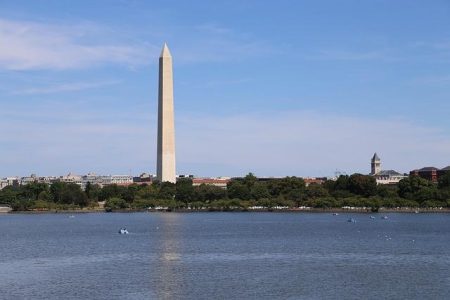



Washington, D.C., is often introduced to the world as a backdrop for press conferences, presidential motorcades and sweeping shots of the Capitol dome. Yet beyond that familiar skyline is a city layered with contradictions and surprises. Behind the marble and manicured lawns are buried histories, hyperlocal food scenes, and daily routines shaped by the machinery of American government.
What follows is a fresh look at Washington, D.C.—from the stories the monuments don’t tell to the neighborhoods and rhythms that define how the city really lives and breathes.
Uncovering the Past: How Washington DC Landmarks Hide Deeper Histories
Visitors standing on the National Mall usually aim their cameras at the familiar: the Capitol, the Washington Monument, the Lincoln Memorial. A step back in time, however, reveals an entirely different picture of this landscape. Before there were reflecting pools and marble colonnades, these grounds were a patchwork of tidal flats, small farms, working docks and crowded alley dwellings.
The U.S. Capitol, now the country’s most recognizable symbol of democracy, was built in part by people who were denied that very freedom. Enslaved laborers quarried stone, cut timber and produced bricks, work that went largely unrecognized until the 21st century. Portions of what’s now the National Mall were once mosquito‑ridden swampland, later home to segregated facilities and temporary wartime buildings. Neighborhoods that once bustled with Black-owned businesses and rowhouses were leveled in the 20th century to make way for federal office complexes and monumental avenues.
Over the last few decades, scholars, community activists and museum curators have pushed these hidden histories into the open. Today, those stories are visible if you know where to look:
- Omissions in plain sight: Many cornerstones and dedication plaques list architects and prominent politicians, but not the Black craftsmen, enslaved workers, and immigrant masons who physically built the city’s iconic facades.
- Plantations and markets beneath the monuments: Several major landmarks sit on land once occupied by plantations, slave markets and tightly packed alley communities—spaces tied directly to slavery, segregation and later urban renewal.
- Reframed memorials: Modern exhibits and interpretive signs increasingly acknowledge the displacement of Indigenous peoples, the city’s role in civil rights organizing and the protests that transformed some memorials into enduring symbols of social change.
| Famous Site | Less-Known Story |
|---|---|
| U.S. Capitol | Constructed in part by enslaved men and women; a dedicated plaque honoring their labor wasn’t installed until the 2000s. |
| National Mall | Transformed from wetlands and mixed-use commons into a formal park; sections once held segregated recreation areas and “temporary” federal buildings that stood for decades. |
| Lincoln Memorial | Site of pivotal civil rights moments, including Marian Anderson’s barrier‑breaking 1939 performance and the 1963 March on Washington that reshaped its public meaning. |
City of Power, City of Routines: How Politics Shapes Daily Life
In Washington, D.C., politics is not just a topic for cable news; it’s a practical force that structures the entire week. Legislation and hearings ripple through everything from commute times to restaurant reservations.
On weekday mornings, Metro cars are crowded with staffers editing floor speeches, agency employees scrolling through policy memos and reporters coordinating interviews. Cafés near the Capitol open early to serve people preparing for hearings or press briefings. When Congress is in session and the Supreme Court is hearing major cases, traffic patterns shift, hotel prices spike and rideshare drivers plan their routes around street closures and motorcades.
Policy, in the nation’s capital, doubles as both an occupation and a social connector. Long after the workday ends, ideas are still being pitched, debated and refined in side rooms, patios and rooftop bars across downtown and the surrounding neighborhoods.
- The federal calendar runs the show: School groups, protesters and office workers all adjust their schedules for State of the Union addresses, inaugurations, confirmation hearings and budget deadlines that can keep lights on in federal buildings late into the night.
- Networking as nightlife: Happy hours around Dupont Circle, Penn Quarter and Capitol Hill often feel like informal policy roundtables, where conversations about zoning, climate policy or international relations stretch late into the evening.
- Public squares as instant stages: A single announcement can turn the steps of a museum, courthouse or office building into a live broadcast site crowded with cameras, tourists and advocacy groups within minutes.
| Everyday Spot | Political Twist |
|---|---|
| Neighborhood coffee shop | Hosts impromptu briefings and last-minute memo edits before committee hearings. |
| Metro Red Line | Becomes a rolling workspace where aides rehearse talking points between Union Station and Judiciary Square. |
| National Mall | Alternates between recreational green space and a massive civic forum drawing rallies, marches and vigils. |
| Dupont Circle bar | Turns into an unofficial think tank lounge, where lobbyists and analysts swap policy ideas at closing time. |
Beyond the Mall: The Neighborhoods and Food Scenes That Define DC
Just a few blocks from the monuments, Washington, D.C. reveals another identity entirely—one written in storefronts, rowhouses and buzzing sidewalks. The city’s neighborhoods have evolved into a tapestry of cultures, cuisines and arts scenes, reshaping long-held assumptions about what “official Washington” looks and feels like.
The historic corridor stretching through Shaw and U Street, once known as “Black Broadway,” now layers its deep jazz roots and civil rights history with an ever-changing roster of restaurants and bars. You’ll find classic chili-smothered half-smokes alongside sleek wine bars and modern Southern tasting menus. Along H Street NE, independent theaters, music venues and cocktail bars create an after-dark energy that rivals larger entertainment districts in cities two or three times D.C.’s size.
To the north, areas such as Petworth and Columbia Heights have become hubs for international flavors and neighborhood‑driven culture. Family‑run pupuserías share blocks with Ethiopian coffee ceremonies and casual brunch spots, turning day-to-day errands into a global tasting tour. These neighborhoods draw more locals than tourists, but they’re exactly where visitors can experience the city as residents do.
- Adams Morgan compresses nightlife into a few dense blocks lined with late‑night empanadas, rooftop patios, hookah lounges and colorful murals that tell stories of immigration and activism.
- Ivy City has reinvented itself as a craft beverage destination, with distilleries, breweries and tasting rooms carved out of old industrial buildings.
- Union Market operates as a constantly rotating showcase of food innovation, from small-batch ice cream and kombucha on tap to Filipino barbecue and plant-based fast-casual concepts.
| Neighborhood | Signature Bite | Cultural Cue |
|---|---|---|
| U Street | Classic half-smoke loaded with chili and onions | Historic jazz venues and Black arts landmarks |
| Shaw | Modern riffs on Southern comfort food | Murals and markers honoring civil rights leaders |
| H Street NE | Fusion street food—bao buns, tacos, noodles and more | Indie stages hosting comedy, film, and live bands |
| Columbia Heights | Handmade Salvadoran pupusas griddled to order | Street festivals and plazas where multiple languages mix |
Seeing DC Smart: Strategies for Planning the Perfect Visit
Ask longtime Washingtonians for advice on visiting their city, and one theme comes up repeatedly: timing is everything. The same monument can feel serene or packed, depending on the hour, the season and what’s happening on the federal calendar.
Iconic attractions such as the Lincoln Memorial, the Smithsonian museums and the U.S. Capitol are most enjoyable when approached either early in the morning or later in the evening. By 10 a.m., bus tours and school groups can quickly fill museum lobbies, especially in spring and early summer. Savvy visitors often map their route in reverse—starting at the back of a museum or at the far end of the Mall and working their way toward the primary entrance—to stay ahead of the largest crowds.
Another local habit: keeping an eye on big political and protest dates. Large demonstrations, state funerals, inaugurations and high-profile hearings can dramatically change how you move around the city, including street closures and security screenings near the Capitol, the White House and the Supreme Court.
To navigate Washington, D.C. more like a resident than a rushed tourist, consider these approaches:
- Arrive before 9 a.m. at headline attractions such as the National Museum of African American History and Culture or the National Air and Space Museum for a quieter experience and shorter security lines.
- Prioritize midweek visits—Tuesday through Thursday generally see fewer field trips and tour buses than weekends and Mondays, especially outside of peak cherry blossom and summer seasons.
- Use Metro efficiently: pay with a SmarTrip card or mobile wallet, stand on the right and walk on the left of escalators, and avoid boarding crowded cars near doors when possible to keep traffic flowing.
- Dine beyond the immediate Mall area: neighborhoods like Penn Quarter, Shaw, Capitol Hill and the Wharf offer a far broader range of independent restaurants and local specialties than the chains clustered around major tourist corridors.
- Reserve timed-entry passes early for popular spots—especially during school breaks and holidays—since free but ticketed museums and tours can “sell out” weeks in advance.
| Time of Day | Best For | Local Tip |
|---|---|---|
| Early Morning | Monuments & National Mall | Watch the sunrise reflect off the Lincoln Memorial, then stroll east toward the Capitol before tour groups arrive. |
| Midday | Smithsonian & Other Museums | Alternate indoor exhibits with short walks outside along the Mall to avoid “museum fatigue.” |
| Evening | Nighttime Memorial Views & Dining | Take in the illuminated monuments after dark, then head to nearby neighborhoods for dinner and live music. |
Wrapping Up
Taken together, these glimpses show that Washington, D.C. is far more than a stage set for national politics. It is a city where layered histories sit beneath every plaza, where community traditions thrive alongside government rituals, and where neighborhoods constantly reinterpret what it means to live in the nation’s capital.
For travelers, that means there is always another angle to explore beyond the classic White House and Capitol views—another story encoded in the layout of a park, a commemorative plaque or a bustling side street. For residents, it’s a reminder that their city is both a symbol recognized around the world and an evolving home defined by local cultures, debates and everyday routines.
Whether you’re planning a first visit or revisiting Washington, D.C. with fresh eyes, treat these facts and insights as a launch point. The next time you step onto the Metro, pass a familiar statue or cross the National Mall, there’s a good chance an untold story is waiting just outside the frame—ready to be noticed and added to your own personal map of the city.