



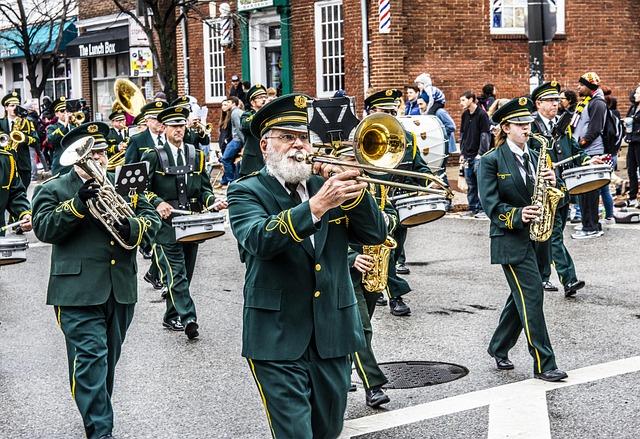
A suburban Seattle high school band is getting ready to trade its hometown football field for one of the biggest patriotic stages in the nation. Chosen to represent Washington state in the United States’ 250th birthday parade, the ensemble will join marching bands from across the country in a landmark tribute to America’s founding. For these students, the invitation is more than a performance slot—it’s recognition of years of early-morning practices, halftime shows, and steady growth as a program. As rehearsals intensify and fundraising campaigns gain momentum, the band is preparing not only a polished show, but also its contribution to a once-in-a-generation celebration of American history.
Washington students step into the spotlight for Americas 250th birthday parade
In a band room decorated with old festival programs and rows of shining brass, woodwinds, and percussion, students who usually perform under Friday night lights are now focused on a bigger goal: the country’s semiquincentennial celebration. This suburban Washington high school marching band has been tapped to represent the state in the United States’ 250th birthday parade, a role students describe as surreal, energizing, and deeply meaningful.
Directors are refining every detail—from step size to dynamic contrast—while drum majors rehearse commands until they’re second nature. Section leaders juggle AP coursework, part-time jobs, and college applications with after-school and weekend run-throughs. Each marcher understands that their performance in Philadelphia will symbolize not only their school, but bands and communities across Washington state.
Preparation goes far beyond memorizing music. A parallel effort is underway to manage travel schedules, fundraising goals, and community celebrations that highlight the band’s journey to the East Coast. What began as a single invitation has grown into a statewide point of pride and a shared project for students, families, and local supporters.
Key elements of the band’s pre-parade push include:
- Expanded rehearsal time scheduled before school, after school, and on select weekends
- Partnerships with local businesses to fund uniforms, instrument repairs, and new equipment
- Alumni involvement as guest clinicians and mentors for current musicians
- Parent and booster coordination to secure transportation, lodging, and meals
| Section | Students | Featured Piece |
|---|---|---|
| Brass | 28 | “Stars and Stripes Forever” |
| Percussion | 16 | “American Fanfare Cadence” |
| Woodwinds | 34 | “America the Beautiful Medley” |
| Color Guard | 18 | Patriotic Flag Suite |
From practice field to Philadelphia: how months of prep set the band up for success
The upcoming performance in Philadelphia is the visible highlight of a process that has been unfolding quietly for months. Long before most people heard about the invitation, directors mapped out a detailed training and logistics plan that would steadily transform the group into a cohesive, parade-ready unit.
Rehearsals began indoors with fundamentals—tone production, posture, marching basics, and synchronized step work. As soon as weather allowed, the band moved outside, shifting to full-field drill, long-distance endurance blocks, and parade-style formations. Each week had a clear focus: one for musical refinement, another for visual cohesion, another for stamina and pacing.
Behind the scenes, parents, boosters, and volunteers built an operation that more closely resembles a touring ensemble than a typical school trip. They set fundraising benchmarks, launched online campaigns, and coordinated community events to cover the high costs of cross-country travel—an expense that has climbed in recent years alongside national averages for airfare, charter buses, and hotel stays.
To stay organized, staff and boosters created shared calendars, task lists, and communication channels that distributed responsibilities among dozens of families. Students weren’t just passengers in the process—they were decision-makers. Drum majors, section leaders, and committee chairs took on roles in logistics, public relations, and peer communication, gaining real-world leadership experience as they prepared for a national performance.
Core elements of the band’s preparation strategy include:
- Rehearsal structure: Daily practice blocks emphasizing precision marching, musical balance, breath control, and parade pacing.
- Community fundraising: Car washes, benefit concerts, sponsorship drives, and online crowdfunding campaigns.
- Travel logistics: Charter buses, equipment transport, hotel blocks, and meal plans reserved several months in advance.
- Uniform readiness: Fitting days, alterations, and repair sessions to ensure every student is parade-ready and comfortable.
| Preparation Area | Lead Group | Timeline |
|---|---|---|
| Music & Drill | Band Staff | 6+ months |
| Fundraising | Booster Club | 4–5 months |
| Travel Planning | Parent Committee | 3 months |
| Student Leadership | Drum Majors | Ongoing |
Community pride and alumni support power Washington’s representative band
The band’s road to the United States’ 250th birthday parade has quickly become a community-wide project. From former drum majors now working in downtown Seattle to relatives watching from other states, support has poured in from every direction.
Parent booster clubs and alumni organizations have coordinated wide-ranging fundraising efforts, placing donation jars in neighborhood shops and posting QR codes in coffee houses, gyms, and libraries. Local businesses have stepped forward to underwrite trip insurance, sponsor students who need financial assistance, and donate services like printing, instrument repair, and promotional materials. Civic organizations have co-hosted car washes, silent auctions, and small outdoor concerts to help close the remaining funding gap.
Financial backing is only one facet of this support network. Alumni spanning decades of graduating classes have returned to help current students navigate the pressure of performing on a national stage while managing the demands of high school life. Some have walked in televised parades themselves and share firsthand advice on everything from staying hydrated to smiling for cameras.
Many former students also tap into their professional networks—media contacts, travel coordinators, performing arts organizations—to help the band gain exposure and streamline logistics. Their contributions include:
- Coaching sessions on parade etiquette, television coverage, and stage presence on a national broadcast
- Virtual sectionals led by alumni now active in college bands, drum corps, and community ensembles
- Transportation coordination with experienced charter companies and drivers familiar with major parade routes
- Care packages stocked with gloves, hand warmers or cooling towels (depending on the season), hydration gear, and emergency instrument repair tools
| Support Group | Main Role |
|---|---|
| Band Boosters | Travel & lodging funding |
| Alumni Network | Coaching & mentorship |
| Local Businesses | Sponsorships & supplies |
| Civic Groups | Events & outreach |
Lessons for other schools: planning, leadership, and community outreach that scale
For band directors and school administrators elsewhere, this Washington program offers a practical roadmap for turning a major performance opportunity—like the United States’ 250th birthday parade—into a catalyst for long-term program growth.
The foundation has been a shared vision built early. Directors, student leaders, and booster representatives developed a common timeline that treated rehearsals, logistics, and fundraising as interlocking pieces of the same plan rather than separate to-do lists. That structure made it easier to match responsibilities to people’s strengths: section leaders focus on peer coaching, parents leverage their professional skills for travel or finance, and students help manage communication within the ensemble.
Schools hoping to replicate this kind of success can focus on three organizational pillars:
- Structured leadership: Clearly defined roles for students, parents, staff, and community partners.
- Transparent communication: Regular updates through emails, meetings, social media, and classroom announcements.
- Goal-based planning: Measurable targets that link each rehearsal, fundraiser, and event to the larger mission.
| Key Focus | Band’s Approach | Lesson for Schools |
|---|---|---|
| Community Outreach | Localized performances & media engagement | Build visibility and goodwill before major trips |
| Student Voice | Leadership team shapes event strategy | Include students in planning, not just performance |
| Fundraising | Layered campaigns with clear milestones | Use smaller, trackable goals to sustain momentum |
Equally notable is how the band has positioned the parade appearance as part of a broader civic narrative rather than an isolated event. Instead of treating the United States’ 250th birthday parade as a one-day destination, the program framed the entire school year as a build-up to this national moment. Local performances double as send-off events; community sponsors are publicly recognized; city and district leaders are invited to rehearsals and showcases.
Other schools can adapt this outreach model by approaching performances as community celebrations:
- Partner with local media to share student stories, rehearsal milestones, and the significance of representing a city or state.
- Invite civic organizations—from veterans’ groups to neighborhood councils—to co-host concerts, clinics, or recognition nights.
- Leverage digital channels such as band websites, social media, and email newsletters to offer behind-the-scenes looks and keep supporters engaged.
Key Takeaways
As the United States prepares to mark its 250th birthday, [High School Name]’s marching band is stepping into a rare role: representing Washington state on one of the most visible patriotic stages in the country. Their journey has already reshaped what a school program can accomplish when students, educators, families, and community partners move in unison toward a shared goal.
From sunrise rehearsals and meticulous drill work to evening fundraisers and volunteer planning sessions, the band is steadily moving closer to its East Coast destination. Students, staff, and families say they feel the weight—and the privilege—of carrying both their instruments and their state’s pride to the 250th anniversary parade.
The celebration in Philadelphia may still lie ahead, but its impact is already being felt at home. What began as a single invitation has turned a high school marching band into Washington’s musical ambassadors for a milestone chapter in American history.