


2026 US Travel Forecast: Where to Go, What to See, and How to Plan
The United States is on track for a milestone year in tourism, with 2026 shaping up to be a defining moment for travelers. A powerful combination of mega-events, refreshed urban centers, and newly discovered regions is set to reshape how people experience the country. From global sports tournaments and historic anniversaries to innovative attractions and sustainable escapes, both American travelers and international visitors will have more reasons than ever to explore.
This in-depth 2026 travel guide highlights the destinations, events and experiences expected to stand out across all 50 states. Drawing on current industry projections, expert commentary and evolving travel trends, it spotlights where to go and how to make the most of the year—whether you’re plotting a coast-to-coast adventure, a weekend city escape, or a once-in-a-lifetime bucket-list trip.
New Hotspots: Emerging US Destinations for 2026 Travel Itineraries
Travelers are increasingly looking beyond the biggest coastal cities, gravitating toward places that feel authentic, less crowded and better value. As a result, a fresh wave of mid-sized cities and lesser-known regions is rising fast on 2026 travel itineraries.
Destinations such as Boise, Idaho, Greenville, South Carolina and Milwaukee, Wisconsin are pouring resources into revitalized downtowns, scenic riverfront promenades, arts and entertainment districts, and tech-forward visitor centers. That investment is paying off, positioning them as compelling alternatives to traditional hubs like New York, Los Angeles or Miami.
Parallel to this urban revival, emerging nature corridors are capturing the attention of eco-conscious travelers. The high desert of West Texas and the water-rich landscapes of Northern Minnesota are showcasing sustainable lodges, Indigenous-led tours, wildlife watching and low-impact outdoor adventures, appealing to travelers who prioritize conservation, culture and quiet over crowds.
Secondary Cities, Primary Experiences
Data from US travel analysts shows growing demand for walkable neighborhoods, creative culinary scenes and neighborhoods designed for events and festivals rather than just business travel. Airport expansions, improved regional connectivity and an upswing in boutique hotels are redirecting visitor flows to these emerging hotspots.
Key examples shaping 2026 itineraries include:
- Boise, Idaho – Fast-growing tech and creative scene, access to extensive hiking and biking trails, plus nearby wine regions in the Snake River Valley.
- Greenville, South Carolina – A revitalized Main Street with indie shops and galleries, greenways for cycling and walking, and food halls showcasing modern Southern cuisine.
- Milwaukee, Wisconsin – A transformed waterfront, thriving brewery and distillery culture, and a robust lineup of music and food festivals along Lake Michigan.
- El Paso, Texas – Cross-border culinary influences, mountain and desert hikes in the Franklin Mountains, and a growing arts scene that blends US and Mexican traditions.
- Duluth, Minnesota – Gateway to Lake Superior adventures, converted rail-to-trail systems, and a strong winter sports culture from fat biking to Nordic skiing.
| City/Region | Projected Traveler Focus 2026 | Peak Season |
|---|---|---|
| Boise, ID | Outdoor + tech retreats | May–September |
| Greenville, SC | Culinary weekends | March–May |
| Milwaukee, WI | Festival circuits | June–August |
| El Paso, TX | Cultural immersion | October–April |
| Duluth, MN | Adventure escapes | June–September |
How Major 2026 Events Are Redrawing the US Tourism Map
The year 2026 won’t just be busy—it will be transformational. A series of high-profile events is set to reshape travel flows across the country, pushing visitors to new neighborhoods, regions and experiences beyond the usual tourist paths.
Leading the charge is the FIFA World Cup 2026, which will be played across multiple US host cities. From Los Angeles to the New York metro area, these destinations are bracing for a surge in international arrivals, with hotel rooms and short-term rentals seeing strong early interest. Demand is expected to radiate outward from city centers into surrounding suburbs and outlying districts as visitors seek better prices and more space.
At the same time, cities like Philadelphia and Boston are using the 250th anniversary of American independence to refresh how they present their history. Expect enhanced historic districts, immersive exhibitions, augmented reality walking tours, and extended festival and performance schedules that encourage travelers to stay longer and explore more deeply.
To support this surge, airlines and rail carriers are ramping up capacity. New and expanded transatlantic routes, more frequent summer schedules, and airport terminal upgrades in key hubs such as Dallas–Fort Worth and Atlanta aim to smooth the travel experience and make multi-city itineraries more feasible.
Beyond the Stadiums: Spreading the Benefits of 2026
Destination marketing organizations are working to turn one-off event trips into broader explorations. With travelers eager to go beyond stadiums and parade routes, tourism boards are packaging “spin-off” itineraries that connect urban event hosts with smaller towns, wine regions and nearby national or state parks.
Hotel and resort brands are also accelerating development in markets that historically saw fewer international visitors, anticipating spillover from major events and interest in more affordable bases.
Key 2026 developments include:
- World Cup fan festivals turning industrial areas, parking lots and underused waterfronts into short-term fan villages with food markets, live music and viewing zones.
- Expanded rail connectivity in the Northeast Corridor and parts of California, helping to reduce reliance on short-haul flights and easing congestion during peak weeks.
- Advanced security and crowd-management technology at stadiums and arenas, creating smoother entry and exit experiences and setting expectations for future mega-events.
- Long-term investment in cultural and riverfront corridors, ensuring that money spent for 2026 leaves a lasting legacy in walkable waterfronts, museums and public spaces.
| City | 2026 Highlight | Traveler Impact |
|---|---|---|
| Los Angeles | World Cup matches at SoFi area | Higher demand in beach suburbs and inland neighborhoods |
| Philadelphia | Reimagined Independence Mall | Longer, history- and museum-focused city stays |
| Dallas–Fort Worth | Airport terminal expansion | Smoother international connections and more route options |
| Atlanta | Spike in sports and music events | Rising interest in short-term rentals and extended weekends |
Classic US Attractions, Reimagined for 2026
Even America’s most familiar landmarks are evolving, with new technology and programming designed to appeal to repeat visitors who want fresh experiences.
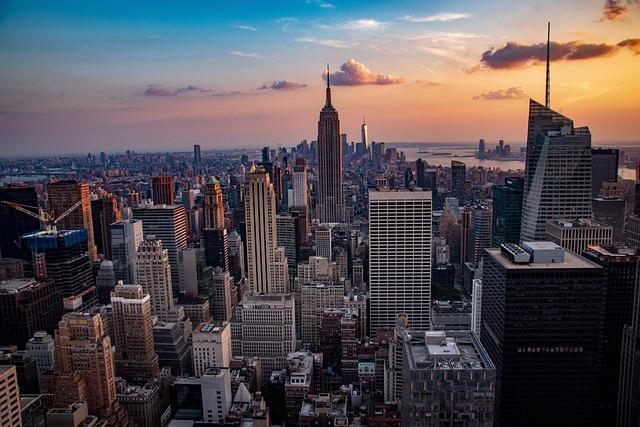
In New York City, upgraded observation decks at the Empire State Building and One World Observatory are integrating immersive AR city overlays. Travelers can use their devices to see how the skyline has changed over time or visualize future developments, turning a standard view into an interactive history and urban-planning lesson.
In the Southwest, the Grand Canyon is experimenting with timed stargazing platforms and structured dark-sky experiences. Limited-capacity viewing areas, low-impact lighting and ranger-guided astrophotography sessions allow visitors to appreciate the night skies without compromising the fragile environment.
In the nation’s capital, the National Mall is also shifting how stories are told. New projection-mapped displays on memorials and interactive storytelling kiosks invite visitors to hear from lesser-known figures and communities connected to pivotal moments in US history, adding depth and nuance to sites many travelers thought they already knew.
Next-Level Theme Parks and Cultural Icons
Theme parks and major cultural institutions are making similar moves, particularly in Florida. Orlando’s flagship parks are leaning heavily into personalization and limited-time content to entice return visits. Expect:
- Dynamic ride narratives that alter scenes, dialogue or outcomes based on guest choices, visit history or time of day.
- Seasonal overlays with unique soundtracks, lighting and visual effects tied to holidays, regional celebrations or special events.
- Exclusive after-hours events with reduced capacity, special shows, and unique character or live entertainment encounters.
| Attraction | New 2026 Experience | Best For |
|---|---|---|
| Empire State Building | AR-enhanced skyline history and future-vision tour | Urban explorers and architecture fans |
| Grand Canyon NP | Guided, limited-entry dark-sky viewing nights | Astrophotography & night-sky enthusiasts |
| National Mall, D.C. | Interactive memorial storytelling and projection exhibits | History-focused travelers and families |
| Orlando Parks | Adaptive ride storylines and themed after-hours events | Repeat visitors and multi-generational families |
How to Plan Affordable, Hassle-Free US Trips in 2026
With demand expected to be high and capacity tightening around major events, 2026 will reward travelers who plan ahead—but also those who understand how to take advantage of shifting prices. Fluctuating airfares, a growing supply of hotel rooms in certain markets and new loyalty options are creating unique value windows.
Current booking data suggests that while some travelers are reserving far in advance for one-off events, the best deals on many routes still appear 45–70 days before departure, especially for flights into secondary airports and midweek departures. Travelers aiming for top-billed events—World Cup matches, large music festivals, or major park anniversaries—are increasingly relying on fare alerts, flexible date tools and “hidden city” fare trackers to avoid overpaying.
Packaging your trip is also becoming more attractive. Industry research indicates that bundling flights and accommodation through a single platform can shave up to 18% off total costs, particularly if paired with loyalty programs that emphasize flexible points redemptions rather than fixed blackout dates or rigid award charts.
Another strategy: move at least one “headline” destination—such as New York, San Francisco or Miami—into the shoulder season, then build the rest of your itinerary around smaller, less expensive cities linked by budget airlines, regional trains or intercity buses.
Smart Savings Tactics for US Travel in 2026
- Search with flexible dates using tools that show prices across a range of +/- 3 days to pinpoint cheaper departure and return combinations.
- Build itineraries around free or low-cost experiences like self-guided art walks, public beach access, national monuments, and city- or state-run museums.
- Take advantage of local transit passes: more US cities now offer 24- to 72-hour unlimited ride passes that significantly undercut the cumulative cost of rideshares.
- Monitor new hotel openings, which often launch with introductory rates, value-added perks (such as breakfast or late checkout), or soft-opening discounts.
| Strategy | Typical Savings | Best For 2026 |
|---|---|---|
| Midweek Flights (Tue–Thu) | Approximately 5–15% lower than weekend fares | Major business hubs & coastal cities |
| Shoulder Season Stays | Up to 25% off peak hotel rates | National parks, beach destinations & resort towns |
| Transit + City Pass Bundles | Roughly 15–30% versus paying per ride or ticket | Large metros like NYC, Chicago, Los Angeles |
| Flexible Points Redemptions | Extra free night or flight segment add-ons | Frequent domestic travelers and loyalty members |
Conclusion: Why 2026 Will Be a Defining Year for US Travel
With world-class sports, major anniversaries and continued investment in transportation and tourism infrastructure, the United States is positioning 2026 as a year when every kind of traveler can discover something new. Revitalized downtowns, rising food destinations, signature festivals and reimagined classic attractions will combine to create one of the most diverse and dynamic travel landscapes the country has seen in years.
For visitors, the takeaway is straightforward: being strategic will matter. Limited-capacity experiences, peak-season price spikes and evolving local regulations make early research and smart booking tactics essential. Yet for those willing to consider shoulder seasons, lesser-known secondary cities and under-the-radar natural areas, 2026 will also offer excellent opportunities for value and authenticity.
Whether you’re drawn by a World Cup showdown, a national park adventure, a heritage-rich small town or a cutting-edge arts neighborhood, the coming year will test—and showcase—the readiness of US destinations to meet rising global expectations. As 2026 unfolds, ongoing tracking of new routes, hotel and cruise openings, pricing patterns and destination updates will help travelers fine-tune their plans and make the most of a landmark year for American travel.