



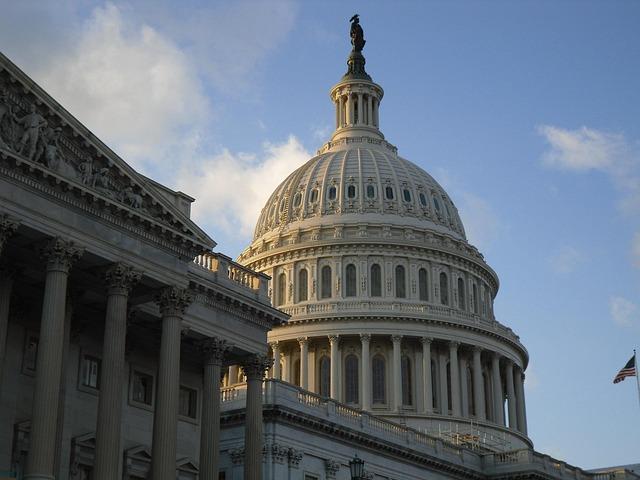
In Washington, D.C., politics isn’t just an occupation—it’s the city’s soundtrack. Power debates, policy trades, and protests play out everywhere, from grand marble chambers to side-street offices and late-night bar conversations. For anyone fascinated by government, Washington functions as an open seminar on how American democracy actually operates: hearings are public, archives are accessible, and everyday streets double as corridors of influence.
This guide lays out the best political experiences in Washington, D.C. for politics buffs, reshaping the typical itinerary into themed routes through the legislative, executive and judicial branches, and into the think tanks and media hubs that shape public debate. Whether you want to watch lawmakers in real time, explore the origins of American democracy, or decode how modern policy gets made, these stops reveal the capital’s political pulse.
Inside the Legislative and Judicial Branches: Capitol Hill and the Supreme Court Up Close
On Capitol Hill, the country’s most consequential arguments unfold within sight of one another. The U.S. Capitol and the Supreme Court sit along First Street NE, creating a compact zone where legislation is drafted, debated and ultimately interpreted.
Visitors can observe congressional proceedings from the House and Senate galleries when the chambers are in session, walk through the Capitol’s historic spaces, and learn how a bill becomes law through interactive exhibits. Across the street, the Supreme Court invites the public to listen in on the legal reasoning that shapes national policy.
Because these are working institutions—not theme-park attractions—security screenings are strict, entry rules are detailed, and planning ahead matters. Timed advance reservations for U.S. Capitol tours are strongly encouraged, particularly during school holidays and peak spring travel. Same-day options may exist at the Capitol Visitor Center, but they are never guaranteed. At the Supreme Court, public access varies by day and by the Court’s calendar, so it’s wise to check the schedule before you arrive.
- Capitol Visitor Center – The best starting point for newcomers, with orientation films, historical galleries, and guided tours that often include the Rotunda, Statuary Hall and other significant chambers.
- Supreme Court – On non-argument days, 30-minute courtroom lectures explain how the Court functions. On argument days, limited public seating allows visitors to observe lawyers and justices in action.
- Library of Congress – One of the world’s great research libraries, with Gilded Age interiors, rotating exhibitions and a viewing gallery overlooking the Main Reading Room.
- First Street NE – A short but powerful walk that physically connects the legislative and judicial branches, ideal for understanding how these institutions interact.
| Site | Best Time | Insider Tip |
|---|---|---|
| U.S. Capitol | Morning weekdays | Request tour and gallery passes through your member of Congress well ahead of your visit. |
| Supreme Court | Argument days | Get in line before sunrise for a stronger chance at a seat for high-profile cases. |
| Library of Congress | Late afternoon | Visit the Main Reading Room overlook near closing, when crowds thin and the room is at its most atmospheric. |
For politics enthusiasts, this corner of Washington delivers a concentrated introduction to the balance of powers. In a single morning, you can watch lawmakers debate, stand where presidents have lain in state, and hear how justices interpret the same Constitution that hangs in the National Archives just down the Mall.
Walking the Nerve Center of the Executive Branch: White House and Presidential Power
On Pennsylvania Avenue, the focus shifts from voting and verdicts to executive decision-making. The White House and its neighboring buildings form a tight cluster that encapsulates how the modern presidency operates—publicly and behind the scenes.
Public tours of the White House offer a rare look inside rooms that regularly appear in global headlines. After navigating a carefully managed security process, visitors move through ceremonial spaces such as the elegant East Room, the formal State Dining Room, and the Cross Hall, where presidents often address the nation during elections, emergencies, and international crises.
Beyond the gates, Lafayette Square functions as both a public forum and a political lookout point. Activists rally there, journalists scan the North Lawn for movement, and visitors watch for motorcades, Marine guards and subtle changes that signal official events. Because the White House is a living workplace, schedules can change rapidly—access may tighten during foreign visits, high-level meetings, or major announcements.
- Plan well in advance: U.S. citizens typically request White House tours through a member of Congress weeks or even months before arrival; international visitors often book through their embassy. Security rules on IDs and prohibited items are strict.
- Monitor the news cycle: State dinners, summits and breaking events can alter the daily rhythm, occasionally closing off nearby streets or shifting tour availability.
- Observe like a journalist: Noticing press risers being assembled, extra Secret Service presence, or changes in the press briefing schedule can provide clues to unfolding news.
| Site | Political Focus | Typical Visit Time |
|---|---|---|
| White House | Executive power & state protocol | 1–1.5 hours |
| Eisenhower Executive Office Building | Executive agencies & West Wing support | 30–45 minutes (primarily exterior viewing) |
| Blair House | Diplomatic guest residence | Brief exterior stop |
Just west of the White House, the Eisenhower Executive Office Building dominates the block with its ornate Second Empire architecture. Though most interior spaces are off-limits to the public, understanding its role—as home to the Office of the Vice President and key policy operations—adds context to daily news out of the administration.
Across Pennsylvania Avenue, Blair House hosts visiting heads of state and foreign dignitaries, serving as the government’s official guest residence. While you’ll likely only see its façade, its significance highlights a central truth of Washington politics: some of the most important negotiations happen out of public view, in reception rooms and secure salons rather than press-filled auditoriums.
Where American Democracy Took Shape: Historic Sites and Founding Documents
Beyond today’s political drama, Washington, D.C. is built around the story of how the United States became a constitutional democracy—and how that system has been contested and expanded over time. Walking along Independence Avenue or across the National Mall is like flipping through a chronological atlas of American political development.
At the National Archives Museum, the original Declaration of Independence, Constitution, and Bill of Rights are displayed in the dimly lit Rotunda for the Charters of Freedom. The faded handwriting and fragile parchment make clear that what now feels permanent started as a risky experiment debated by a small circle of delegates.
Nearby, the U.S. Capitol charts the nation’s legislative history in art and architecture—from the Apotheosis of Washington painted high above the Rotunda to statues and murals commemorating fights over union, civil rights, war and peace. Across the Mall, the Supreme Court Building symbolizes the third branch’s influence, where decisions on voting rights, free speech, health care and executive authority continue to reshape political life.
Within a small radius, you can also find historic churches that hosted abolitionist meetings, rowhouses used as wartime headquarters, and memorials honoring suffragists and civil rights organizers. These less-publicized stops fill in the gaps between the big monuments, showing how grassroots activism pushed institutions to change.
- National Archives Museum – Home to the nation’s founding charters and exhibits that explain how these documents have been interpreted and amended.
- U.S. Capitol – A visual timeline of legislation and political leadership, visible in the Rotunda, National Statuary Hall and themed corridors.
- Supreme Court Building – Public lectures, exhibits, and (on select days) oral arguments that reveal how precedent is created and contested.
- Library of Congress – Massive collections of political papers, campaign materials and legal history, plus special exhibitions on elections, reform movements and constitutional change.
| Site | Era Highlighted | Democratic Theme |
|---|---|---|
| National Archives | Founding Era | Constitutional foundations |
| U.S. Capitol | 19th–21st Century | Legislative negotiation |
| Supreme Court | Modern Judicial Age | Rights and interpretation |
When layered together in a single itinerary, these stops turn a day of sightseeing into a primer on how American democracy has grown from a narrow franchise to a more inclusive system—while still wrestling with unresolved questions of representation and power.
Beyond the Monuments: Think Tanks, Media Bureaus and the Real-Time Policy Pipeline
Much of Washington’s political energy flows outside formal government buildings. In downtown corridors, around Dupont Circle, and along K Street, policy ideas are constantly tested, challenged and packaged for public consumption.
Inside major think tanks such as the Brookings Institution, Heritage Foundation, or newer research centers, analysts host public events that unpack current issues: voting rights, international security, economic policy, technology regulation and more. Many of these sessions are free to attend, require only a simple online registration, and are also streamed live—giving visitors the chance to hear the same arguments and data points that lawmakers and journalists rely on.
Nearby, media bureaus and broadcast studios translate those ideas into the narratives millions of people see and hear. Cable news hits, radio interviews, podcasts and live blog coverage often originate in relatively modest offices, where reporters and producers are constantly in touch with sources across government and advocacy networks.
For travelers interested in how influence circulates, this side of Washington is as revealing as any tour of a marble dome. Consider building a “policy walk” into your visit:
- Attend an open policy briefing or panel discussion at a think tank or foundation to see how experts frame ongoing debates.
- Watch live tapings of public-affairs shows when they allow in-person audiences, or observe the bustle around studio entrances before and after broadcast times.
- Check event calendars for lunchtime forums and evening talks focused on current legislation, budget battles or Supreme Court decisions.
- Visit press club spaces that host book talks, keynote addresses and off-the-record conversations with politicians, strategists and correspondents.
| Spot | Focus | Typical Visitor Experience |
|---|---|---|
| Think Tank HQ | Policy Research | Public briefings, expert panels, and Q&A sessions |
| Media Bureau | News Coverage | On-the-street live shots, interviews and press scrums |
| Press Club | Political Discourse | Book launches, talks with journalists and moderated debates |
According to recent media surveys, a significant share of national political stories still originates from Washington-based outlets and correspondents, underscoring how central these institutions remain to shaping public opinion. Observing this ecosystem in person helps connect the dots between what happens in committee rooms and what appears on screens and front pages.
In Summary
Washington, D.C. is more than a backdrop for national news—it is an active laboratory where democratic processes, power struggles and civic ideals collide on a daily basis. Within a relatively compact cityscape, visitors can sit inside congressional galleries, pass through the same halls where presidents and foreign leaders walk, read the nation’s founding documents, and listen to experts argue over the next big policy fight.
For politics buffs, a trip to the capital is an immersive experience in American public life. Whether you are observing a Supreme Court hearing, exploring a museum exhibit on voting rights, or encountering a protest on the National Mall, you are watching democracy operate in real time.
In an era defined by rapid change and competing narratives, Washington invites visitors to move beyond soundbites and social media threads. Its streets, galleries, think tanks and government complexes offer a rare, unfiltered view of how decisions are made—and how citizens, advocates and institutions continually negotiate the direction of the United States.