



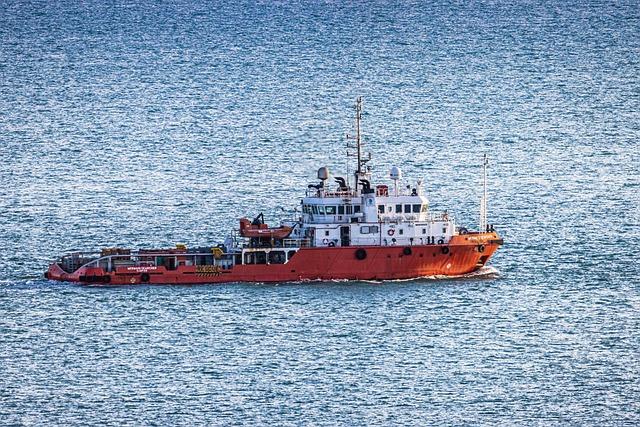
A nighttime medical evacuation off the coast of Washington turned catastrophic when a U.S. Coast Guard rescue swimmer died after suffering critical injuries during the mission. What was expected to be a routine search-and-rescue response to a distress call quickly devolved into a life‑and‑death emergency for the rescuers themselves. The fatal incident has rattled the service, prompted a formal safety inquiry, and reignited debate over how best to protect crews tasked with operating in some of the most unforgiving conditions on earth.
From medical emergency to fatal rescue: what happened off the Washington coast
In the early-morning darkness along Washington’s storm‑prone coastline, a Coast Guard MH‑60 Jayhawk helicopter launched in response to a medical distress call from a commercial fishing vessel reporting a crew member in urgent need of care. On board the helicopter were a standard four-person team: pilot, co‑pilot, flight mechanic, and rescue swimmer.
By the time the aircraft reached the vessel’s position, conditions had deteriorated. The crew flew into low visibility, strong winds, and steep, confused seas—conditions that remain a leading factor in maritime accidents across the Pacific Northwest, which sees dozens of Coast Guard medevacs each year according to recent service statistics.
After establishing communications with the vessel’s bridge, the team began a textbook basket hoist to retrieve the injured mariner. Observers noted that the initial phase of the hoist appeared controlled and by-the-book: the rescue swimmer entered the water, stabilized the patient, and began preparing the stretcher for lift.
- Pre‑dawn deployment as offshore weather quickly worsened
- Arrival on scene amid rough seas and obscured horizon
- First hoist operation conducted in accordance with protocol
- Unexpected disruption during a subsequent lift attempt
| Time (Approx.) | Key Event |
|---|---|
| 02:15 | MH‑60 Jayhawk departs Coast Guard air station |
| 02:50 | Helicopter arrives over the distressed fishing vessel |
| 03:05 | Rescue swimmer enters the water to begin patient transfer |
| 03:18 | Severe incident occurs during hoist; helicopter crew issues mayday |
As the crew moved into a second hoist sequence, aiming to secure both the patient and the swimmer for extraction, the situation suddenly spiraled out of control. Investigators are now examining whether a powerful wind gust, abrupt aircraft movement, or a failure in the hoist system caused a violent jolt in the line, throwing the entire evolution into disarray.
Moments after assisting the stretcher, the swimmer became separated during the chaos. The individual was later recovered in the water, unresponsive. What had started as a routine maritime medical evacuation collapsed in less than a quarter of an hour into a fatal emergency. The mission was terminated, and the aircraft returned to shore as quickly as weather and fuel allowed for medical support, debriefings, and an immediate stand‑down of similar operations pending preliminary review.
Coast Guard safety boards and federal aviation specialists are now reconstructing the sequence of events second-by-second, seeking to understand how a commonplace medevac off Washington’s coast ended in the loss of a highly trained rescuer.
Investigation focus: how safety protocols, equipment, and choices are being reviewed
Multiple investigative teams—military, federal, and internal Coast Guard—are now examining every stage of the doomed mission. Their task is twofold: determine whether existing safety measures were properly followed, and assess whether those measures were sufficient in the first place.
Early inquiry has zeroed in on the swimmer’s personal protective gear, the mechanical integrity of the hoist assembly, and any cockpit warning systems designed to alert crews to abrupt changes in flight attitude, altitude, or load on the cable. Aviation safety experts note that modern Coast Guard helicopters record extensive performance data, which will be matched against crew statements to spot any mismatch between what instrumentation showed and what the crew perceived amid the noise, darkness, and stress.
The outcome of this probe could influence updates to inspection intervals, pre‑flight checks, and emergency procedures—especially for nighttime hoists in heavy sea states, which are among the most dangerous missions the Coast Guard flies.
Internal briefings indicate that investigators are also weighing human performance factors. Fatigue, duty rotations, cumulative workload, and the intense, time‑compressed decision‑making that defines rescue missions are all under the microscope. Analyses may also explore whether operational pressure to complete the evacuation contributed to a higher tolerance for risk, and if additional real‑time oversight from shore-based operations centers could have provided alternative options or an earlier recommendation to abort.
Key areas under review include:
- Equipment readiness: Pre‑flight inspections, maintenance history, and any logged minor issues with the hoist, harnesses, or aircraft systems.
- Mission planning: Quality of weather forecasts, sea‑state projections, and risk-mitigation briefs conducted before launch.
- In‑flight decisions: Adjustments to approach patterns, hover altitude, hoist position, and abort criteria as the conditions evolved.
- Crew communication: How clearly and quickly pilots, the flight mechanic, and the rescue swimmer coordinated during the most critical moments.
| Review Focus | Key Question |
|---|---|
| Rescue gear | Did any component fail, degrade, or behave unpredictably? |
| Training protocols | Had the crew rehearsed a scenario matching these conditions and complications? |
| Risk thresholds | Should launch, approach, or continued hoist operations have been delayed, altered, or aborted? |
The answers will not only determine accountability but also drive changes that may shape Coast Guard aviation policies for years.
Inside the world of Coast Guard rescue swimmers: training, pressure, and mental health
Behind every dramatic image of a cable lowering into breaking surf is a pipeline of training that ranks among the most demanding in the U.S. military. Coast Guard rescue swimmers endure months of relentless preparation: extended cold‑water exposure, high‑stress underwater egress drills, simulated aircraft emergencies, and repeated scenarios where they must make rapid triage decisions while battling fatigue, fear, and disorientation.
The culture bred by this process often reinforces the idea that failure and quitting are simply not acceptable. That mindset can be essential in the moment—allowing swimmers to push through exhaustion and danger to reach someone clinging to life—but it can also blur the edges between professional toughness and unspoken distress.
To remain ready for missions like the fatal operation off Washington, many swimmers maintain near-elite athletic conditioning year‑round while staying current in advanced medical response, navigation skills, and aircraft safety procedures. This intense and sustained workload, stacked on unpredictable schedules and frequent exposure to traumatic scenes, carries a heavy psychological price.
Research across military and first‑responder communities has shown elevated risks of anxiety, depression, and post-traumatic stress among those repeatedly exposed to life‑threatening events. For rescue swimmers, the combination of operating in lethal environments and coping with missions that do not end well can amplify that burden. Sleep interruptions, survivor’s guilt, and the expectation to “get back in the aircraft” quickly after a tragedy can deepen mental health strains.
Although the Coast Guard has expanded confidential counseling options, embedded behavioral-health professionals, and peer-support initiatives, many within aviation units say the stigma around seeking help endures. Concerns about career impact, team perception, or being seen as less capable can discourage swimmers from speaking openly—even after catastrophic incidents like this one.
In quiet conversations away from the hangar and briefing rooms, some of the service’s most capable operators acknowledge that the hardest work often begins once the rotors stop spinning, as they replay what went right, what went wrong, and whether different choices might have changed the outcome.
Reforms on the horizon: how to better protect crews during maritime medical evacuations
Maritime safety experts argue that regulations and operational norms have not fully kept up with the rising complexity and tempo of rescue missions performed in extreme conditions. The Washington coast incident has intensified calls for a more structured approach to risk management and crew protection during maritime medical evacuations.
One central recommendation is to adopt mandatory mission risk-threshold standards—formal criteria based on wind speed, wave height, icing potential, and visibility that define when missions must be postponed, altered, or shifted to alternative platforms. Currently, these judgments often fall primarily on the shoulders of on‑scene commanders, who are weighing safety against the knowledge that lives may be lost if they do not launch.
Specialists are also pressing for stable federal funding streams to accelerate modernization of aging aircraft, hoist assemblies, and life‑support gear. Enhanced flotation devices, more impact-resistant harnesses, and redundant safety features in hoist systems are among the upgrades that advocates say can significantly improve crew survivability when things go wrong.
Meaningful change, they insist, will require aligned action by Congress, the Coast Guard leadership, and maritime regulators. The goal is to elevate crew safety standards to match or exceed those that already exist for commercial shipping and passenger transportation.
Proposed reforms commonly center on:
- Standardized national training protocols for crane and hoist operations in heavy seas and at night, ensuring units across regions train to the same high-risk playbook.
- Independent safety audits after every major mishap or near‑miss to quickly flag and address systemic vulnerabilities.
- Dedicated mental health resources for aircrews, including mandated decompression periods following high-fatality or particularly traumatic missions.
- Robust data-reporting requirements to capture injuries, close calls, and equipment anomalies in real time, feeding into a national safety database.
| Proposed Reform | Primary Goal |
|---|---|
| Mission Risk Thresholds | Reduce launches when environmental conditions exceed defined safety margins |
| Equipment Modernization | Increase crew survivability during crashes and hoist failures |
| Independent Safety Reviews | Identify root causes and systemic hazards promptly after incidents |
| Mental Health Support | Limit long‑term psychological impact and preserve operational readiness |
Advocates stress that these changes are not about preventing all risk—an impossible task in maritime rescue—but about ensuring that every mission begins with the best available technology, information, and support for those who volunteer to fly into danger.
Conclusion: honoring sacrifice and learning from tragedy
The Coast Guard has opened a comprehensive investigation into the events that led to the rescue swimmer’s death off Washington’s coast, vowing to examine procedures, equipment, and decision-making with an unflinching eye. Leaders have signaled that, if gaps are identified, policies will be revised to reduce the likelihood of a similar loss in the future.
For the moment, the service’s attention is focused on honoring the fallen swimmer—someone who stepped into the dark, cold Pacific in an effort to save a stranger—and on providing tangible support to the family, crewmates, and wider rescue community left grieving. As additional facts surface, this tragic mission stands as a stark reminder of both the inherent peril in maritime rescue and the enduring commitment of those who are willing to risk, and sometimes give, their lives so that others may live.