


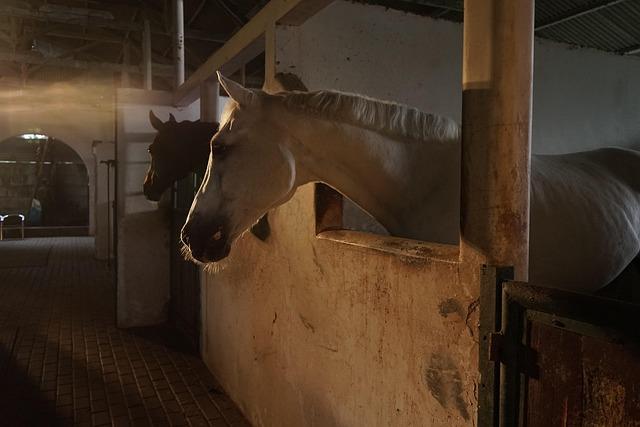
Steps away from the National Mall’s famous monuments, another kind of landmark is emerging—built not of stone but of wood, sand arenas, and learning spaces. The U.S. Park Police Horse Stables and Education Center, a collaborative public‑private venture led by the Trust for the National Mall in coordination with the National Park Service, is redefining what a law‑enforcement facility can be: part stable yard, part training ground, and part public gateway.
For years, the U.S. Park Police Mounted Unit, which plays a crucial role during large demonstrations, presidential events, and high‑profile gatherings in Washington, D.C., operated largely out of sight in aging, makeshift structures. The new complex near the Lincoln Memorial is intended to change that reality. Outdated barns and temporary trailers are being replaced by permanent, purpose‑built stables and a modern education center designed to meet contemporary expectations for animal health, officer readiness, and visitor access.
Supporters see the Horse Stables and Education Center as a pivotal step in how the National Mall—often called the nation’s “front yard”—weaves together public safety, civic storytelling, and historic preservation. As construction and fundraising continue, debates over long‑term funding, visitor flow, and landscape impacts are drawing the stable yard into the broader conversation about the future of the Mall and how millions of visitors experience it each year.
Funding gaps stall critical upgrades at U S Park Police Horse Stables and Education Center Although the Mounted Unit is a backbone of crowd management, search‑and‑rescue operations, and ceremonial details on the National Mall, its existing facility still falls short of what is needed in the 21st century. Barns erected decades ago, cramped and outdated medical areas, and temporary office trailers no longer align with current best practices in equine welfare or with the expectations of an informed visiting public. Planned upgrades—including a climate‑controlled barn complex, dedicated veterinary and farrier suites, and universally accessible classrooms—have encountered delays as combined public and private funding struggles to keep up with rising construction costs and stricter safety regulations. These funding gaps are reshaping both daily operations and the facility’s long‑range vision. Park rangers, officers, and volunteers note that core visitor amenities—such as interactive displays and expanded educational zones—are being scaled back or postponed altogether. Advocates warn that continued delays could weaken the center’s potential to function as a “living laboratory” for the thousands of students, families, and tourists who could otherwise learn firsthand about mounted policing, horse care, and the stewardship of the National Mall. According to the National Park Service, visitation to the National Mall and Memorial Parks routinely tops 20 million people annually, with post‑pandemic visitation rebounding toward pre‑2020 levels. That scale underscores the importance of completing the project: each delay leaves millions of visitors without access to the full educational and experiential potential of the stables and education center.
Priority Need
Impact of Delay
Modern barn facilities
Increases strain on horse health, comfort, and daily care routines
Visitor education center
Reduces the number and quality of hands‑on, interactive programs for students and tour groups
Training and safety spaces
Limits readiness for large‑scale events, emergency response, and evolving security needs
Design plans aim to balance historic character with modern animal welfare standards From the earliest planning stages, architects and designers for the U.S. Park Police Horse Stables and Education Center have wrestled with a dual mandate: protect the historic character of the National Mall while building a facility that brings equine care firmly into the modern era. The new stables borrow proportions, materials, and rooflines from neighboring structures so they visually recede into the Mall’s familiar skyline. Yet, behind that historically sensitive exterior, the project incorporates advanced systems for fresh air circulation, lighting, drainage, and sanitation that significantly improve conditions for the horses and staff. The site plan is deliberately configured so visitors can see mounted officers and horses at work without intruding on daily routines or compromising animal welfare. Circulation routes separate public zones from equine operational areas, and materials have been chosen to dampen noise and minimize stress triggers for the animals. Design teams have evaluated details as specific as stall door types, hardware finishes, and footing materials to ensure every component advances both safety and compatibility with the Mall’s visual identity. Key welfare‑driven elements being woven into the design include: The approach reflects a broader national trend: equine facilities—from police barns to therapeutic riding centers—are increasingly being redesigned to integrate humane standards, energy‑efficient systems, and visitor engagement without sacrificing the historic settings they occupy.
Historic Element
Modern Upgrade
Traditional barn profile
Discreet, high‑efficiency HVAC systems that maintain comfort without altering the exterior silhouette
Brick and stone façade
Insulated wall assemblies that improve thermal performance and reduce energy use
Center aisle layout
Rubberized, non‑slip flooring to lower the risk of falls and injuries for horses and handlers
Open paddock views
Thoughtful perimeter fencing and barriers that preserve vistas while improving security and containment
Community outreach and education programs expand role of mounted patrol on the National Mall The new Horse Stables and Education Center is reshaping how the public encounters the U.S. Park Police Mounted Unit on the National Mall. Rather than glimpsing officers and horses only during major events or in passing on the grounds, visitors can now engage more directly through structured programs that showcase the skills, training, and daily routines behind mounted patrol work. Building on the visibility of the National Mall, the Mounted Unit participates in scheduled school programs, guided tours of the barn and support areas, and interpretive demonstrations that unpack how horses contribute to public safety, crowd communication, and emergency response. Hands‑on sessions may include observing grooming and tack inspection, watching training exercises, and discussing topics such as equine nutrition, behavior, and officer preparedness. These outreach efforts are designed to reach a wide range of audiences and learning styles. By partnering with teachers, youth organizations, and accessibility experts, the center is working to make mounted policing and conservation themes relevant—and approachable—for different age groups and communities. As demand for experiential learning grows nationwide, these programs position the U.S. Park Police Horse Stables and Education Center as a model for how law‑enforcement agencies can open their doors, build trust, and foster understanding of their work.
Program
Primary Audience
Frequency
Mounted Safety Demonstration
General Visitors
Weekly
Stable Classroom Visit
School Groups
By Appointment
Equine Care Workshop
Families & Youth
Monthly
Careers with the Mounted Unit
Teens & Students
Seasonal
Policy recommendations urge federal local partnerships to secure long term stewardship of the facility As the U.S. Park Police Horse Stables and Education Center takes shape, policy experts in urban parks and civic infrastructure are calling for a more resilient funding and governance model. Their central recommendation is a blended approach: preserve federal oversight through the National Park Service while enlisting local partners—nonprofits, school systems, universities, and municipal agencies—to help sustain day‑to‑day operations and public programs. Under this model, the National Park Service would continue to set standards for safety, preservation, and mission alignment, while regional partners contribute specialized expertise, staff capacity, and additional financial support. Early proposals reference multi‑year cooperative agreements, shared performance indicators, and dedicated revenue streams aimed at stabilizing budgets for maintenance, horse care, and education even when federal appropriations fluctuate. Advocates describe this arrangement as a “federal‑local stewardship compact” that both protects the Mounted Unit’s mission and encourages deeper, ongoing community involvement. The approach mirrors emerging best practices in other high‑profile public spaces, where cross‑sector alliances help ensure long‑term care and innovation.
Partner Type
Primary Role
Key Benefit
Federal Agencies
Set standards & enforce policies
Ensures mission continuity and public trust
Local Nonprofits
Lead programming & outreach
Strengthens community engagement and local relevance
Educational Institutions
Provide research, curriculum, & training
Builds a skilled, informed workforce pipeline
Private Donors
Support capital projects & endowments
Improves financial resilience and innovation capacity
To Conclude
The U.S. Park Police Horse Stables and Education Center is more than a construction project; it signals a broader rethinking of the National Mall itself. Rather than functioning solely as a setting for monuments, rallies, and ceremonies, the Mall is increasingly being interpreted as a dynamic landscape—home to working horses, active law‑enforcement units, and interactive learning experiences that reveal how the space is cared for and protected every day.
With leadership from the Trust for the National Mall and a network of public‑private partners, the facility is designed to replace outdated infrastructure while also giving visitors a rare, close‑up view of mounted policing and the stewardship work that usually happens out of the spotlight. As construction benchmarks, fundraising milestones, and program rollouts unfold, the project will continue to evolve in response to public needs and policy priorities.
What remains constant is the center’s core purpose: to improve the welfare of the Mounted Unit’s horses, strengthen officer readiness, and deepen public understanding of the ongoing efforts that keep the National Mall safe, welcoming, and enduring for generations to come.