


Washington, D.C. is already gearing up for one of its most beloved annual traditions: the National Cherry Blossom Festival. As the 2026 festivities approach, the city is planning weeks of parades, live music, cultural programs, and family-friendly activities that are expected to attract visitors from every corner of the globe. From large-scale concerts along the Potomac waterfront to intimate performances that honor the festival’s deep Japanese roots, the upcoming celebration is on track to be one of the most expansive in recent memory. Below is a reimagined guide to the standout experiences at the 2026 National Cherry Blossom Festival—and how to make the most of your visit.
Planning Your Trip: Peak Bloom and Tidal Basin Strategies
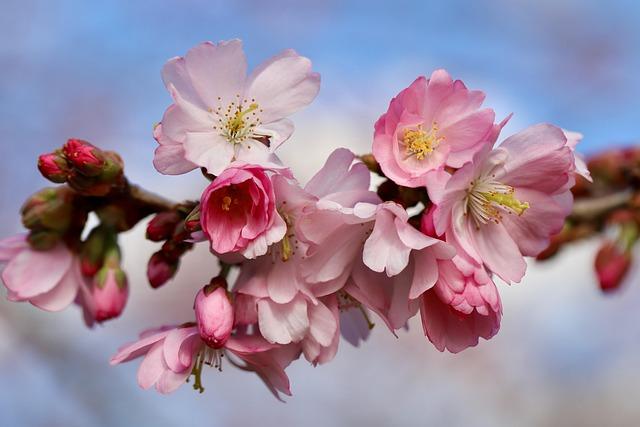
Every spring, all eyes turn to the National Park Service for its forecast of when the Yoshino cherry trees ringing the Tidal Basin will reach peak bloom—the point at which about 70% of the blossoms have opened. While the official 2026 projection won’t be announced until closer to March, long-term records show that peak bloom usually falls between the final week of March and the first week of April. Recent warming trends have nudged that target period slightly earlier on the calendar, and climate scientists note that year-to-year variation is becoming more pronounced.
Because a short warm spell or a late-season cold front can move peak bloom several days in either direction, travel experts recommend planning your visit across a window of dates instead of anchoring your trip to a single weekend. Begin monitoring National Park Service bloom forecasts and regional temperature outlooks in late February; local meteorologists, tourism bureaus, and even independent “bloom trackers” on social media often provide daily updates once buds start swelling.
| Bloom Stage | What You’ll Experience |
|---|---|
| Pre-peak (buds and early blossoms) | Light crowds, easier parking, a softer wash of color rather than full clouds of blossoms |
| Peak bloom | Maximum floral impact, thick crowds, strong security presence, best classic “postcard” photos |
| Post-peak (petals dropping) | Blossoms drifting like snow, more space to wander, and a fuller calendar of festival events |
Getting the most out of a Tidal Basin visit is as much about smart logistics as it is about timing the flowers. City agencies continue to stress that visitors should avoid driving directly into the core festival zone whenever possible. Metro, rideshare services, Capital Bikeshare stations, and even simple walking routes from slightly more distant neighborhoods are usually faster and less stressful than circling for parking.
Early mornings—especially weekday sunrises—tend to offer the quietest paths, the best photography light, and shorter security lines. By contrast, late mornings, afternoons, and weekends bring heavier congestion, sporadic road closures, and longer waits linked to major festival programs and parades. To keep your visit smooth:
- Arrive 60–90 minutes early for any parade, concert, or ceremony to clear security and secure a good viewing spot.
- Study official festival maps ahead of time to locate restrooms, first-aid tents, water stations, and accessible viewing areas around the Tidal Basin and National Mall.
- Travel light with a compact bag so you can move easily through screening checkpoints and dense crowds.
- Follow real-time alerts from DC DOT and the National Park Service for updates on closures, weather-related changes, and crowd advisories.
Parades, Fireworks, and the Festival’s Biggest Crowds
For 2026, city planners are bracing for attendance on par with Washington’s busiest holidays along Constitution Avenue and at the Southwest Waterfront. The National Cherry Blossom Festival parade is one of the main draws, and demand for reserved bleacher seating is already strong. Sidewalk areas are also expected to fill well before mid-morning as visitors line up to see giant character balloons, precision marching units, and elaborately decorated cherry-blossom themed floats.
Officials are working with Metro and major ride-share providers to spread out arrival times, but their message remains straightforward: those who show up after 10 a.m. should expect packed sidewalks, limited sightlines, and long queues at food stands and public restrooms.
- Show up early to allow time for bag checks and to claim a prime viewing spot for the parade.
- Rely on public transportation; many streets will be closed or heavily restricted to car traffic.
- Keep your gear minimal, as large coolers, bulky backpacks, and rolling carts could be subject to extra screening or turned away entirely.
- Plan for a slow exit from the waterfront after the fireworks, when thousands of people are leaving at once.
| Festival Highlight | Expected Peak Crowd Window | Smart Viewing Strategy |
|---|---|---|
| National Cherry Blossom Festival Parade | 10:30 a.m. – 12:30 p.m. | Arrive by 9:00 a.m. to grab curb space or settle into reserved seating |
| Waterfront Fireworks Show | 7:30 p.m. – end of finale | Claim a spot before sunset and stay put for the duration |
| Post-Event Metro & Traffic | 30–60 minutes after fireworks | Wait it out at nearby cafés or walk a few blocks to a less crowded station |
Once the sun sets, attention shifts to the Southwest Waterfront. Crowds fan out along promenades, rooftops, and piers to watch a choreographed pyrotechnic display over the Washington Channel. Local restaurants and bars are extending hours, adding outdoor seating, and offering reservation-only viewing parties, creating a lively nighttime scene framed by the glow of the city and the reflections on the water.
Public safety officials plan to use a combination of crowd-control barriers, rolling closures, and capacity limits to keep the waterfront safe. When viewing areas hit their cutoffs, entrances may close quickly and without exception. Attendees are urged to pick a general viewing zone well ahead of showtime, pay attention to posted exit routes, and accept that the trip back to Metro stations and garages will likely be a gradual, slow-moving process once the last fireworks burst dissolves over the cherry blossoms.
Beyond the Main Stage: Cultural Performances, Food, and Neighborhood Pop-Ups
Some of the most memorable parts of the National Cherry Blossom Festival aren’t headliners at all—they unfold quietly in neighborhood plazas, side streets, and community spaces just beyond the main parade routes. Pop-up taiko drumming groups, go-go bands, and jazz ensembles frequently appear along Tidal Basin paths and in nearby districts such as The Wharf, Barracks Row, and Eastern Market. These sets can materialize with little advance notice, often announced only a few hours beforehand on neighborhood social media pages or hyperlocal event calendars.
Look for chalk circles, small stages, or lantern-lit corners where local dance crews merge classical Japanese forms with D.C.’s homegrown styles, from hand dancing to hip-hop. Spoken-word artists, high school performers, and cultural organizations also use these spaces to debut cherry-blossom themed pieces that explore history, friendship between the United States and Japan, and the changing face of the city.
Food offerings during festival season are just as dynamic as the performances. Across the region, bakeries, community centers, breweries, and church parking lots are transforming into temporary tasting spots and farmers’ market-style hubs. Visitors and residents can expect a rotating lineup of small-scale vendors showcasing:
- Sakura-inspired treats like cherry mochi doughnuts, blossom-shaped savory pastries, cherry-infused cold brew, and seasonal ice cream flavors.
- Neighborhood pop-up kitchens featuring family-owned ramen shops, H Street fusion concepts, Ethiopian cafés, and Petworth smokehouses.
- After-dark options at bars and taprooms hosting DJ sets, karaoke nights, and curated flight menus built around Japanese whiskies, craft beers, or nonalcoholic mocktails.
| Neighborhood | What Locals Look For | Ideal Time to Go |
|---|---|---|
| H Street NE | Limited-time ramen menus, indie bands, and late-night snack windows | After 7 p.m., especially Thursday–Saturday |
| Southwest Wharf | Waterfront dance circles, street performers, and sunset buskers | Golden hour into early evening |
| Capitol Hill | Front-porch concerts, bake sales, and family-friendly block events | Weekend afternoons |
In recent years, the festival has also emphasized more immersive cultural programming—calligraphy workshops, kimono demonstrations, anime screenings, and panel discussions on Japanese art and history. Checking the official schedule as well as local museum calendars can reveal quieter, enriching experiences that many visitors overlook in favor of the major outdoor attractions.
Getting Around: Transit Hacks, Security, and Best Times to Avoid the Rush
With the 2026 National Cherry Blossom Festival expected to draw some of the largest crowds in its history, Metro Transit Police and event organizers are preparing a more expansive security and transit plan. High-traffic areas—including the Tidal Basin, National Mall, and key Metro stations such as Smithsonian, L’Enfant Plaza, and Union Station—will see enhanced screening and crowd management.
At the biggest venues and fireworks viewing zones, festival-goers should be ready for airport-style checks: bag inspections, handheld metal detector wanding, and occasional random screenings at perimeter entry points. To pass through these checkpoints quickly, officials encourage visitors to streamline what they bring and be prepared before they reach the front of the line.
- Opt for a small, soft-sided bag that opens easily; oversized backpacks and hard-sided coolers are more likely to draw extra scrutiny.
- Place phones, cameras, keys, and other metal items in an outer pocket you can empty in seconds.
- Leave prohibited items at home, including glass bottles, outside alcohol, drones, and large tripods or lighting rigs commonly used for photography.
- Bring a reusable water bottle and refill it at public hydration stations located inside secure zones.
- Pull up digital tickets or passes before you reach staff and increase your screen brightness for faster scanning.
| Time of Day | Expected Crowd Level | Best Use of the Time |
|---|---|---|
| 6 a.m. – 9 a.m. | Low | Photography, peaceful walks, and breezing through security checkpoints |
| 9 a.m. – 1 p.m. | Moderate | Families with strollers, casual sightseeing, and shorter lines for food |
| 1 p.m. – 5 p.m. | High | Main-stage events, busier museums, and thick pedestrian traffic |
| 5 p.m. – 9 p.m. | Very High | Fireworks, concerts, evening strolls, and long but energetic crowds |
Transit planners and long-time festival attendees consistently recommend arriving early in the day: before 9 a.m. on Saturdays and Sundays, and before 4 p.m. on weekdays, when the evening commute merges with festival activity. One of the simplest ways to save time is to use less obvious Metro stations and walk a bit more. Instead of exiting at Smithsonian or L’Enfant Plaza—both notorious for bottlenecks during peak festival hours—consider:
- Federal Triangle for quick access to Constitution Avenue and the Mall via a short walk.
- Archives–Navy Memorial for a pleasant route down Pennsylvania Avenue toward the Mall and waterfront.
- Waterfront for easier access to The Wharf and Southwest Waterfront activities.
Metro also advises loading funds onto your SmarTrip card in advance or using mobile pay options to bypass ticket vending machine lines. Avoid boarding the very last trains of the night if you can; those often see the heaviest crowds, and station managers may temporarily limit entry to control platform density.
In Summary
As Washington, D.C. finalizes preparations for the 2026 National Cherry Blossom Festival, the outlines of the season are already visible: an energetic blend of spectacle and tradition, framed by one of the world’s most famous springtime displays. From the grandeur of the Constitution Avenue parade to lantern-lit walks by the water and intimate cultural performances in neighborhood squares, the festival is poised to welcome visitors from across the country and around the world.
Whether you’re planning your first cherry blossom getaway or you’re a local who treats the festival as an annual ritual, this is the moment to mark your calendar, reserve hotels and tickets, and sketch out which events matter most to you. Throughout the season, WUSA9 will continue to share up-to-the-minute information on weather, transportation, road closures, and schedule adjustments, so you can spend less energy on logistics—and more time enjoying the blossoms themselves.