



America 250 in Washington, D.C.: Inside the Massive Security Operation for a Historic Milestone
Security preparations are rapidly intensifying across Washington, D.C., as federal, local, and private‑sector leaders ready the city for a packed calendar of America 250 commemorative events. Anticipated surges in visitors, the presence of senior political leaders, and wall‑to‑wall global media coverage are converging with a complex threat environment defined by deep political polarization, evolving domestic extremism, and the persistent risk of lone‑actor violence.
Against the backdrop of January 6 and several recent mass‑casualty plots nationwide, Washington’s security posture is under particular scrutiny. The semiquincentennial’s scale and symbolism are forcing officials to confront whether the capital’s security architecture is truly prepared for one of the most consequential public observances in U.S. history.
America 250 Readiness: A New Era of Interagency Security Planning
From the U.S. Secret Service to the Metropolitan Police Department (MPD), a dense network of agencies is quietly stress‑testing plans for a yearlong series of ceremonies, concerts, parades, and civic gatherings tied to America 250. Unlike previous one‑day or weekend events, many of the anniversary observances will unfold over multiple days and locations, requiring sustained, dynamic coordination.
Security planners are borrowing lessons from past presidential inaugurations, large‑scale protests, and national security special events while introducing new layers of protection for unmanned aircraft systems, cyber intrusions, and real‑time crowd management. Joint command posts are being modernized, evacuation corridors are being re‑mapped, and multi‑agency drills are increasingly designed around simultaneous incidents—such as a cyberattack coinciding with a physical disruption—rather than a single isolated emergency.
Behind closed doors, tabletop exercises are running through worst‑case scenarios: coordinated attacks on symbolic locations, targeted violence during live broadcasts, and sophisticated disinformation campaigns intended to misdirect crowds, overwhelm emergency lines, or undermine public trust in safety messages.
Who Protects What: The Core Security Architecture for America 250
Officials emphasize that the unprecedented visibility of America 250 has accelerated early coordination and heightened interdependence across agencies. While responsibilities often overlap, several core priorities and lead roles are emerging:
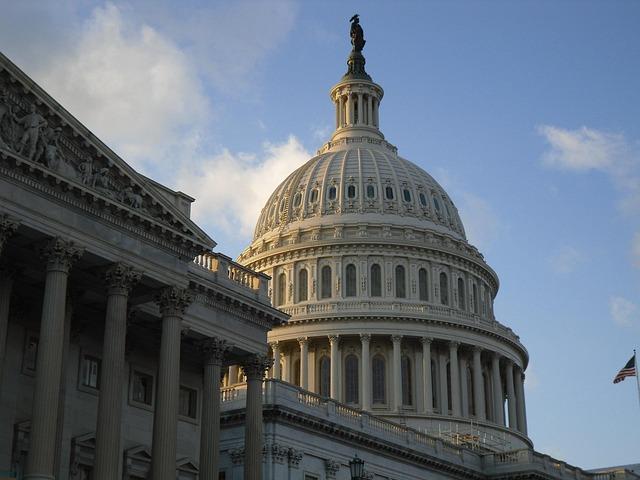
- Protecting iconic federal landmarks including the U.S. Capitol, the National Mall, and surrounding federal facilities that have become global symbols of American democracy.
- Securing transportation arteries by working closely with Metro, commuter rail systems, and regional highway authorities to safeguard stations, bus depots, and major roadways feeding into the district.
- Managing demonstrations and counter‑protests so that political expression can continue within defined free‑speech zones without jeopardizing crowd safety or event operations.
- Strengthening cyber and communications defenses to ensure emergency systems, public alerts, and critical infrastructure networks remain reliable under stress or attack.
| Agency | Primary Role During America 250 |
|---|---|
| Secret Service | Overall event security for designated national special security events (NSSEs), VIP and dignitary protection |
| U.S. Capitol Police | Security and crowd control across the Capitol complex and adjacent grounds |
| MPD | Citywide law enforcement, traffic diversions, and protest management |
| FBI | Threat intelligence, counterterrorism investigations, and coordination on domestic extremism |
| National Park Service | Security planning and operations for the National Mall, memorials, and park‑managed venues |
Domestic Extremism in Focus: Why Symbolic Events Raise the Stakes
Intelligence and homeland security officials warn that the coming America 250 period will unfold within a highly volatile threat landscape. Recent assessments from the Department of Homeland Security (DHS) and the FBI continue to flag domestic violent extremism—especially small, loosely organized networks and lone offenders—as one of the most persistent national security concerns.
Analysts are particularly focused on:
- Symbolically loaded dates such as the Fourth of July, key anniversary moments, and major commemorations that may attract extremists seeking maximum visibility.
- High‑profile ceremonies featuring senior officials, foreign dignitaries, or televised performances that could serve as focal points for attacks or disruptions.
- Dense, open‑air venues including parades, concerts, and fireworks displays where large crowds and limited screening create “soft target” conditions.
Motivations for potential attackers span a wide spectrum: anti‑government sentiment, election‑related grievances, conspiracy‑driven narratives, and culture‑war issues amplified in online spaces. Instead of traditional, hierarchical organizations, officials increasingly confront fragmented, self‑radicalized individuals drawing inspiration from meme‑driven propaganda, fringe influencers, and transnational extremist content.
The result is a “low‑signature” threat environment where plans may be formed in private chats or encrypted channels and executed quickly, with limited advance warning.
Defending Crowded Spaces: New Layers of Protection for America 250 Events
To address these evolving risks, security planners are prioritizing high‑density, high‑visibility spaces where large crowds and live media converge. These include ceremonies on the National Mall, waterfront celebrations, and major transit hubs serving visitors.
Agencies are putting in place a tiered security model built around:
- Enhanced digital monitoring of extremist platforms and encrypted messaging channels, paired with strict legal and privacy safeguards.
- Fortified perimeters around stages, viewing platforms, and VIP areas using magnetometers, bag checks, and vehicle barriers to deter vehicle‑ramming and weapon smuggling.
- Strategically placed rapid‑response teams near Metro stations, pedestrian chokepoints, and key intersections to reduce response times for medical, fire, and law enforcement emergencies.
- Public awareness and reporting campaigns encouraging attendees to quickly flag suspicious behavior, unattended items, or perceived threats.
| Risk Factor | Assessed Concern Level |
|---|---|
| Large outdoor gatherings | High |
| Unscreened public access points | Elevated |
| Online calls for disruption or violence | High |
| Structured, multi‑person plots | Moderate |
Washington Under Constraints: Road Closures, Checkpoints, and a Heavier Security Footprint
In the weeks and days leading up to major America 250 milestones, portions of downtown Washington are expected to resemble a tightly controlled security grid. District officials are planning rolling closures that will affect commuters, local businesses, and residents well beyond the immediate celebration sites.
Anticipated measures include:
- Extensive checkpoint systems with magnetometers and bag‑screening at key pedestrian entry points.
- Metal barriers and vehicle restrictions surrounding core festival zones, memorials, and staging areas.
- Mobile command centers staffed by multi‑agency teams to coordinate responses and adapt road closures in real time.
- Longer‑than‑usual detours and delays for public transit and vehicular traffic, potentially spanning several days around marquee events.
Officials argue these actions reflect the heightened risk profile of a nationally significant anniversary and reference recent DHS advisories that cite mass gatherings and government institutions as attractive targets. At the same time, the operational scale—encompassing automated license plate readers, expanded CCTV coverage, aerial surveillance, and real‑time data fusion—goes beyond the security posture common for past national observances.
Surveillance and Civil Liberties: A Growing Debate Over Long‑Term Impacts
Civil liberties organizations are increasingly vocal about what they view as the creeping normalization of extraordinary security authorities in the nation’s capital. They note that the technologies deployed for short‑term protection during high‑profile events can quietly become part of the city’s permanent infrastructure.
Key concerns include:
- A rapidly expanding web of cameras, sensors, and analytics tools capable of tracking movement across neighborhoods far from the event zone.
- The use of geofencing technologies and location‑based alerts that can map the presence of protestors or bystanders in sensitive areas.
- Limited transparency regarding data retention policies—how long video, license plate scans, and other digital records are stored, and who can access them.
- Potential “mission creep” in which tools introduced for America 250 security find broader use in day‑to‑day policing without fresh public debate.
Advocacy groups are calling for:
- Clear, publicly available rules on what data can be collected and for how long.
- Independent oversight bodies empowered to audit fusion centers and data‑sharing agreements.
- Regular reporting to the public on the scope and use of new surveillance tools introduced around America 250.
| Security Measure | Government Rationale | Civil Liberties Concern |
|---|---|---|
| High-definition CCTV networks | Continuous monitoring and quicker identification of emerging threats | Risk of broad, long‑term tracking of residents and visitors |
| Drone overflights and aerial platforms | Wide‑area situational awareness and crowd monitoring | Unclear rules on when and how aerial footage is stored or shared |
| Geo-fenced security zones | Controlled crowd movement and safer perimeters | Potential chilling effect on protests and spontaneous assembly |
| Regional fusion centers | Faster intelligence sharing and joint threat analysis | Limited avenues for independent review or redress |
Coordinated Communication: The Backbone of America 250 Security
Security experts consistently point to one factor that can dramatically improve safety in high‑stress situations: clear, consistent communication with the public. For America 250, authorities are investing in more robust information pipelines that can function even if one channel is disrupted.
Key initiatives include:
- Unified alert protocols allowing city, federal, and regional partners to issue harmonized guidance instead of conflicting messages.
- Multilingual outreach campaigns tailored to tourists, international visitors, and non‑English‑speaking residents, including translated signage and emergency instructions.
- Expanded use of official social media accounts and SMS alert systems to broadcast real‑time updates about crowding, weather, safety issues, or route changes.
Residents and travelers are being encouraged to take an active role in preparedness by:
- Mapping exit options: Identifying both primary and backup routes from viewing areas, including side streets and less obvious exits.
- Following verified channels: Subscribing to city notification systems and checking only official accounts for emergency guidance.
- Reporting anomalies quickly: Informing authorities about unattended packages, unusual behavior, or urgent safety concerns rather than posting first on social media.
- Setting rendezvous plans: Establishing prearranged meeting points and check‑in windows with family, friends, or tour groups.
| Focus Area | Key Security Action |
|---|---|
| Transit Hubs | Enhanced surveillance, screening, and controlled entry/exit flows |
| Event Perimeters | Layered checkpoints, clearly marked gates, and managed crowd movement |
| Cyber Systems | Strengthening networks that support power, traffic control, and communications |
| Medical and Emergency Response | Pre‑staged EMS teams and rapid‑deployment medical tents near dense gathering areas |
Building Resilient Infrastructure for a High‑Pressure Anniversary
Beyond visible security measures, planners are working to reinforce Washington’s physical and digital infrastructure so that the city can continue functioning even in the face of disruptions.
Current efforts focus on:
- Redundant power and communications systems to keep emergency dispatch, traffic signals, and public alerts running if primary networks fail.
- Strengthened physical protections for bridges, tunnels, and key transit nodes that carry large volumes of visitors to and from celebration areas.
- Stress testing critical sites through simulations that model crowd surges, cyber incidents, and multi‑site emergencies to reveal operational weak points.
- Private‑sector integration so that utilities, telecom providers, and major venue operators are fully embedded in contingency planning.
Officials are careful to emphasize that the objective is not to turn Washington into a sealed‑off fortress. Instead, they describe an approach centered on adaptability: systems and protocols designed to absorb shocks, reroute services, and resume normal operations quickly, even under elevated threat conditions.
Closing Remarks
As the United States approaches its 250th anniversary, Washington, D.C., finds itself at the intersection of commemoration and security. The months ahead will test the city’s ability to safeguard massive public events while preserving the openness that has long defined the nation’s capital.
How leaders manage preparations for America 250 will shape more than the safety of the celebrations themselves. Their decisions will signal—to citizens and international observers alike—whether the federal government has meaningfully internalized the lessons of recent security lapses, and whether large‑scale democratic gatherings can be protected without eroding civil liberties.
The defining challenge now confronting Washington is straightforward but profound: can the capital host a milestone celebration of American history while remaining accessible, transparent, and free‑spirited—or will heightened threats push it toward a more permanently fortified future?