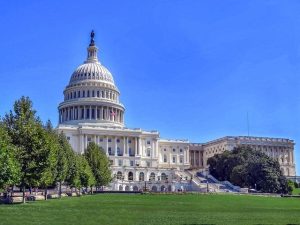



The John F. Kennedy Center for the Performing Arts has been ordered to pay more than $250,000 US to a leading jazz musician who withdrew from a marquee concert after the institution rolled out a politically charged rebrand of its jazz program, one he argued visually and rhetorically mirrored former U.S. president Donald Trump. The case has become a flashpoint for debates over artistic freedom, institutional branding, and the growing influence of partisan politics in American cultural life. A Washington, D.C., court found the Kennedy Center liable for damages after the musician cancelled, underscoring how decisions about logos, language, and sponsorships can now carry serious legal and financial repercussions for major arts venues.
Trump-Era Branding Controversy Triggers Costly Legal Defeat for the Kennedy Center
The ruling arose from a contract dispute that began like many others in the touring world: a high‑profile booking at an elite U.S. arts venue, accompanied by a standard performance agreement. But the relationship unraveled when the Kennedy Center introduced a new branding initiative for its jazz program that critics said echoed Trump-era campaign aesthetics and messaging.
According to court filings, the renowned jazz artist argued that the revised branding and promotional language clashed sharply with his values, his public persona, and his long-standing advocacy around social issues. Continuing with the engagement, he claimed, would amount to a tacit political endorsement. After he withdrew, the Kennedy Center treated the cancellation as a breach of contract. The judge disagreed, characterizing the withdrawal as a good‑faith act of conscience triggered by a material shift in the performance context.
The court awarded the musician more than $250,000 US in damages—covering lost fees, rehearsal commitments, and reputational harm—and emphasized that institutional branding choices can fundamentally alter the nature of an artistic engagement.
Legal observers note that the dispute did not turn on whether audiences agreed with the musician’s politics, but on how dramatically the venue’s rebrand reframed the performance from a neutral cultural event into what the artist perceived as a politically freighted appearance.
Key Tension Points in the Case
Analysts say the legal fight is emblematic of broader clashes between artists and presenters as U.S. politics grow more polarized. Cultural institutions, many of which rely on donors with explicit political identities, now face the reality that programming and design decisions may be read as partisan symbols.
Some of the key flashpoints identified in court and in industry commentary included:
- Brand alignment: Visual motifs and slogans that critics said evoked Trump-era rallies and campaign materials.
- Artist autonomy: The musician’s claim that he has a right to shield his reputation from perceived political endorsements.
- Contract language: Ambiguous morality and reputation clauses that left room for the court to interpret shifting circumstances.
- Financial exposure: The emerging risk that misjudged rebrands or sponsorships can trigger six‑figure payouts and public lawsuits.
| Aspect | Details |
|---|---|
| Damages Awarded | Over $250K US to the musician |
| Core Issue | Objection to politically charged rebranding |
| Legal Impact | Establishes a cautionary precedent for arts venues |
Inside the Contract Clash: Artistic Freedom vs. Shifting Institutional Identity
What might have been a straightforward cancellation fee dispute quickly escalated into a broader test of how far artistic freedom extends when a venue changes its public image mid‑contract.
The jazz musician’s legal team argued that the Kennedy Center’s rebrand transformed the underlying nature of the engagement. Instead of simply headlining a respected jazz series, he would now be appearing under a banner he and many of his fans associated with a specific political figure and ideology. In an era when a single livestreamed appearance can define or derail a career, they argued, this shift posed profound reputational risks.
Central to the courtroom battle were clauses related to morals, creative control, and branding use. These provisions, often treated as boilerplate in entertainment contracts, suddenly took center stage. The judge ultimately found that:
- The venue’s rebranding materially altered the artistic and public context of the performance.
- The musician acted within his rights to protect his artistic identity and public image.
- The Kennedy Center bore responsibility for failing to anticipate or negotiate the implications of such a politicized rebrand.
How Reputational Risk Became a Line Item
The court’s six‑figure award reflected more than just the artist’s fee. It signaled that reputational harm now carries quantifiable weight in disputes between venues and performers.
In filings and testimony, the musician’s side detailed several concrete impacts stemming from the controversy:
- Loss of touring income: The cancellation not only erased the performance fee, but also disrupted connected dates and media appearances that often cluster around a major Kennedy Center engagement.
- Damage to brand value: Continued association with branding perceived as Trump-aligned, they argued, could alienate segments of his audience, especially younger listeners and international festival programmers.
- Chilling effect on future collaborations: Potential collaborators and presenters might hesitate to work with an artist seen as tolerant of politically divisive branding.
| Key Issue | Court’s View |
|---|---|
| Artistic freedom | Protected when a venue’s rebrand significantly alters the performance context |
| Contract breach | Institution found liable for shifting expectations during the life of the agreement |
| Damages | Substantial award warranted due to reputational and financial loss |
What the Ruling Means for Arts Institutions Navigating Politics, Sponsorships and Performer Rights
For arts organizations across the United States, the decision lands as a stark warning: branding, sponsorships, and naming rights are no longer neutral fundraising tools. They are now inseparable from questions of political identity and artistic ethics.
Over the last decade, cultural venues have increasingly relied on large donors and partnerships to fill funding gaps. At the same time, audiences and artists have become more vocal about the political and social implications of those partnerships. According to a 2023 Americans for the Arts survey, more than half of arts organizations reported at least one controversy related to donor, sponsor, or board member reputations in the previous three years.
The Kennedy Center case suggests that these tensions will not remain confined to social media campaigns or op-eds. They can, and likely will, spill into formal contract disputes.
New Questions for Boards and Artistic Directors
Behind the headlines, the ruling forces institutions to confront several operational and ethical questions:
- How explicitly should sponsorship and naming rights be described in artist contracts? If a series or hall is renamed after a polarizing figure, do performers have clear options to opt out?
- What happens when branding changes mid‑agreement? If a new logo, tagline, or sponsor fundamentally shifts public perception of a program, is that a material change?
- Can venues court politically controversial donors without undermining artistic freedom? And if so, what guardrails must be in place?
These questions are not purely theoretical. In recent years, institutions from museums to opera houses have faced boycotts or performer withdrawals over ties to fossil fuel companies, defense contractors, and politically active billionaires. The Kennedy Center ruling adds legal weight to concerns that artists have been voicing informally for years.
| Pressure Point | Risk for Venues | Likely Response |
|---|---|---|
| Political rebrands | Sudden artist cancellations and public criticism | More detailed and balanced morals clauses |
| Controversial donors | Reputational fallout and community pushback | Stricter donor vetting and ethics policies |
| Artist speech rights | Escalating contract disputes or legal challenges | Negotiated exit options and clearer dispute‑resolution terms |
The decision effectively signals that cultural institutions can no longer assume default neutrality. The way they fund programs, announce sponsors, and present their values will be scrutinized not just by critics and audiences, but by courts assessing whether artists had a fair understanding of what they were signing up for.
Practical Steps: How Cultural Organizations Can Rethink Contracts, Communication, and Brand Strategy
In response to mounting tensions around politics and the arts, legal experts and arts consultants are urging organizations to overhaul their approach to contracts and communications. The Kennedy Center case is likely to accelerate those efforts.
Clarifying Contracts in a Politicized Climate
Institutions are being encouraged to make potential political and reputational risks explicit in their agreements. That includes:
- Drafting clauses that address political affiliations, naming rights, and sponsorship visibility in plain language.
- Specifying what kinds of rebranding, donor announcements, or sponsorship campaigns might entitle either party to renegotiate or exit.
- Including notice requirements so artists are informed ahead of any major shift in how programs are presented or funded.
Some venues are creating internal review processes that flag branding changes or new donor relationships for both legal and artistic input before rollout. This kind of advance screening can help identify potential conflicts with existing bookings.
Using Communication as Risk Management, Not Just Marketing
Another lesson from the Kennedy Center dispute is the importance of proactive, transparent communication with performers—especially high-profile artists whose personal brands are tightly interwoven with social or political stances.
Communications and programming teams are under growing pressure to ensure that:
- Mission statements accurately reflect the institution’s partnerships and values in practice, not just aspiration.
- Marketing language and imagery do not inadvertently suggest political endorsements that were never discussed with artists.
- Contract language matches public messaging, minimizing gaps between what the institution says it stands for and what artists actually experience.
Sector commentators recommend that cultural organizations:
- Embed values-based language into standard contracts where legally appropriate, making it clear how the institution approaches issues of equity, politics, and public accountability.
- Send artists advance briefs when a sponsor, naming opportunity, or visual rebrand could be perceived as politically sensitive.
- Maintain internal watchlists for high‑risk donors, branding concepts, or partnerships that may attract public controversy.
- Develop scenario plans for artist withdrawals, including pre‑agreed financial and reputational protections for both sides.
To manage these moving parts, some organizations are adopting simple internal frameworks that line up contracts, communications, and brand strategy around shared questions.
| Area | Key Question | Action |
|---|---|---|
| Contracts | Are political, naming, and reputational risks clearly defined? | Add targeted exit, notice, and renegotiation clauses. |
| Communications | Will artists learn about significant changes from the media? | Pre‑brief artists and agents before public announcements. |
| Brand | Does any new branding contradict stated institutional values? | Run reputational and legal impact reviews prior to launch. |
Final Thoughts
The Kennedy Center ruling illustrates how deeply politics has penetrated the arts ecosystem—and how costly missteps can be when branding and artistic expression collide. As the institution considers whether to appeal, the case is already resonating across the cultural sector, where artists, boards, and administrators are trying to navigate an environment defined by polarization, social media visibility, and heightened expectations around ethical consistency.
Whether this decision leads to sweeping policy changes or remains a high‑profile cautionary tale, it makes one reality hard to ignore: in today’s climate, contracts, sponsorships, and brand strategies can no longer be drafted as if they exist outside the political currents shaping public life. For artists and institutions alike, the stakes of getting that balance wrong now extend far beyond a single cancelled performance.