




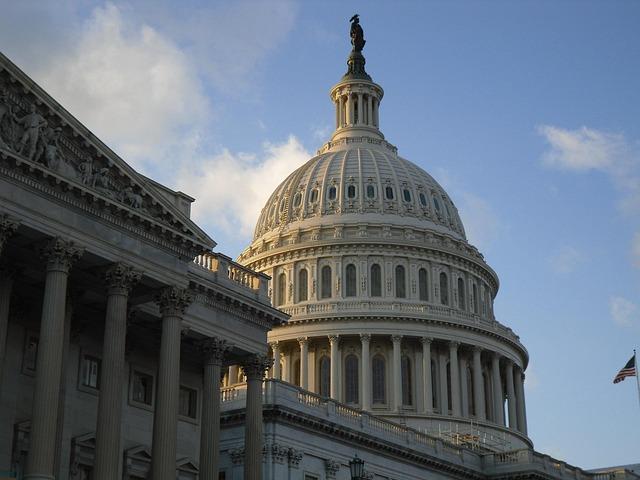
In the weeks following the deployment of the D.C. National Guard to the nation’s capital, debate has sharpened over what the move has actually meant for crime on the ground. City leaders have framed the Guard’s presence as an emergency tool to stabilize public safety in the face of rising violence and headline‑making incidents. Civil liberties advocates and some residents, however, question whether putting military personnel on city streets is either appropriate or effective.
Fresh data released by local and federal authorities offers the first granular look at how crime has shifted since the Guard arrived—across violent and property offenses, in different neighborhoods, and compared with earlier months and previous years. The picture that emerges is nuanced: some indicators are improving, others are stubbornly high, and many trends are still in flux.
This analysis reviews the latest numbers, how officials and community leaders are reading them, and what they may suggest about the future of public safety in Washington, D.C.
How Has Crime Changed Since the National Guard Arrived?
Preliminary statistics from police dashboards and federal briefings point to a mixed outcome rather than a straightforward win or loss. Some types of crime have eased in highly secured areas, while other offenses appear to have shifted into less‑guarded neighborhoods.
Overall, violent crime has edged down in the federal core where both police and National Guard patrols are most visible. Yet robbery, theft, and other property crimes remain elevated in many residential and commercial corridors outside that zone. Analysts caution that the current window of data is short and overlaps with other local crackdowns, complicating efforts to assign credit—or blame—solely to the Guard.
Key early dynamics include:
- Police presence is more concentrated around federal buildings, monuments, and major visitor destinations.
- Displacement concerns are mounting in areas just beyond the National Guard’s usual patrol boundaries, where some offenses appear to be re‑emerging.
- Community trust is under strain, as residents balance a desire for safety with unease about a more militarized atmosphere.
| Category | Before Deployment | After Deployment |
|---|---|---|
| Violent crime (core zone) | Stable to High | Slight Decrease |
| Property crime (citywide) | Rising | Mixed |
| Large public disturbances | Frequent | Notably Fewer |
Short‑term indicators based on initial city and federal briefings.
Uneven Impact: Neighborhood Hotspots and Shifting Crime Patterns
Block‑level crime maps since the Guard’s deployment make clear that Washington’s public safety story is far from uniform. Some sections of the city have seen striking improvements, while others remain stubborn hotspots.
Persistent Hotspots and the “Donut” Around the Core
A small number of corridors east of the Anacostia River and near busy transit hubs continue to log concentrated clusters of shootings, gunfire reports, and carjackings. These incidents tend to be tightly packed within a limited radius, suggesting that a few blocks can disproportionately shape citywide violence numbers.
By contrast, downtown business areas, stretches near the National Mall, and parts of the federal core are experiencing notable reductions in street robberies and shoplifting. Law enforcement officials and security professionals attribute this to:
- A heavier uniformed footprint from local police and the National Guard
- Expanded use of private security, cameras, and controlled access in commercial buildings
- Rapid responses to large gatherings that might previously have escalated
Residents and workers often describe what some have dubbed a “donut effect”: the center looks orderly and heavily monitored, while instability seems to circle just beyond the most protected zones.
Property Crimes on the Move
Property crime has proved more adaptable than many forms of violence, detouring around new patrol routes and checkpoints rather than disappearing altogether. Local crime analysts tracking week‑to‑week incident maps point to areas where:
- Assaults and robberies have dipped
- Burglary, theft from autos, vandalism, and catalytic converter thefts have ticked up on nearby side streets
Neighborhood advocates warn that if underlying conditions are not addressed—such as poverty, lack of youth programming, and weak environmental design—offenses are likely to keep migrating instead of declining overall. Without targeted investment, they argue, the gap could widen between rapidly stabilized areas and communities still absorbing displaced crime.
Current neighborhood patterns can be summarized as:
- Downtown & tourist core: Clear decline in opportunistic street robberies and visible open‑air drug sales.
- Transit‑adjacent blocks: Mixed results, with carjackings and thefts inching outward from high‑surveillance zones.
- Residential side streets: Mild growth in home break‑ins, vehicle break‑ins, and catalytic converter thefts.
- Commercial corridors east of the river: Continued exposure to both violent incidents and property offenses despite added patrols.
| Area | Violent Crime Trend | Property Crime Trend |
|---|---|---|
| Federal Core | ↓ Significant | ↓ Moderate |
| Transit Hubs | ↔ Stable | ↑ Slight |
| Inner Neighborhood Ring | ↓ Slight | ↑ Noticeable |
| Outer Neighborhoods | ↔ Mixed | ↔ Mixed |
Based on early post‑deployment mapping and police summary reports.
Measuring Security Tactics: Are Increased Patrols Delivering?
When officials examine the effectiveness of the National Guard deployment alongside other policing tactics, they see both encouraging signs and clear limits.
Early Outcomes in Key Crime Categories
Initial comparisons with the same period a year earlier suggest that some crime categories are still up overall but rising more slowly than before. Others show more pronounced improvements in areas with intensive enforcement.
| Category | Before Deployment | After Deployment | Trend |
|---|---|---|---|
| Violent crime | +7% | +3% | Slowing rise |
| Property crime | +12% | +4% | Moderating |
| Carjackings | +18% | +5% | Notable drop |
| Gun arrests | Baseline | +21% | Increased enforcement |
*Compared with the same period in the previous year; trends are illustrative and based on preliminary data.
In corridors most heavily covered by the National Guard and surge policing, reported carjackings and commercial burglaries have declined from earlier peaks. At the same time, gun‑involved assaults remain elevated in adjoining neighborhoods that see fewer patrols and less consistent visibility from law enforcement.
Experts in crime prevention note that large, visible deployments can interrupt some pre‑planned offenses and lower the temperature of large gatherings. Still, they question whether this kind of high‑intensity, short‑term posture can deliver sustained reductions once Guard units and overtime‑heavy police details scale back.
Trade‑Offs: Safety, Civil Liberties, and Daily Life
Residents, researchers, and advocacy groups are assessing both the statistical impact and the lived experience of these strategies. Their questions tend to cluster around:
- Displacement vs. deterrence: Are crimes being prevented, or simply relocated to quieter streets, off‑hours, or less monitored neighborhoods?
- Community trust: How do armored vehicles and heavily armed patrols affect people’s willingness to call 911, cooperate with investigations, or serve as witnesses?
- Proportionality: Is the balance right between visible force and investments in long‑term prevention, such as youth jobs programs, behavioral health services, and violence interruption?
- Sustainability: Given budget limits and staffing shortages, how long can Washington, D.C., maintain this level of deployment without a more durable, long‑range public safety strategy?
These questions echo broader national conversations about the appropriate role of military support in domestic law enforcement and what genuine safety looks like in dense urban environments.
Policy Lessons: Building Safer Neighborhoods Beyond a Security Surge
Both city leaders and neighborhood organizers increasingly agree that emergency deployments—whether of the National Guard or surge policing units—cannot be the primary engine of long‑term crime reduction. The more promising path, they argue, combines focused enforcement with transparent oversight and deep support for the communities most affected by violence.
Three Emerging Pillars of a Long‑Term Strategy
From the early data and lived experience of residents, three core priorities are rising to the top:
- Targeted enforcement: Concentrating investigative resources and patrols on serious violent offenses and repeat offenders, rather than blanket crackdowns that sweep up large numbers of low‑level cases.
- Accountability and transparency: Regular public reporting on stops, arrests, and use‑of‑force incidents, along with independent oversight that can review patterns and recommend reforms.
- Support for at‑risk residents: Investments in people and places most vulnerable to cycles of crime, including young adults, returning citizens, and neighborhoods with long‑standing disinvestment.
In practice, that means steering more resources into community‑based safety efforts that can sustain progress after the last National Guard vehicle is gone.
Local coalitions are pressing for:
- Data‑sharing agreements that allow agencies, schools, and nonprofits to coordinate around clear, shared indicators.
- Standardized transparency reports on enforcement activity, accessible to the public.
- Performance benchmarks that track not just arrests and seizures, but changes in victimization rates, resident perceptions of safety, and trust in institutions.
Community‑Led Safety Models Taking Shape
Across Washington, D.C., neighborhood leaders, faith groups, and nonprofits are piloting approaches that blend public health, restorative justice, and traditional policing. Among the efforts drawing attention:
- Violence interruption teams stationed in high‑risk blocks, staffed by credible messengers with deep local ties.
- 24/7 youth safe hubs near major transit nodes, libraries, and recreation centers, offering supervised spaces, conflict mediation, and connection to services.
- Neighborhood‑based restorative justice panels that handle lower‑level disputes and minor offenses outside traditional courtroom settings, when appropriate.
- Micro‑grants that let tenant associations, small businesses, and community groups improve lighting, cameras, storefront security, and shared outdoor spaces.
| Strategy | Lead Partner | Goal |
|---|---|---|
| Violence Interruption | Nonprofits, Credible Messengers | Defuse conflicts before they turn lethal |
| Safe Passage Routes | Schools, Transit Agencies | Protect students during peak commute times |
| Problem‑Solving Policing | MPD, Advisory Neighborhood Commissions | Co‑design responses to recurring hot spots |
Researchers emphasize that the real test will be whether Washington, D.C., can move these models from short‑term pilots to lasting institutions. That requires:
- Multi‑year funding commitments instead of one‑off grants that expire just as programs gain traction
- Formal agreements that embed community organizations and residents in citywide safety planning and decision‑making
- Consistent evaluation, so programs can be refined, expanded, or retired based on evidence rather than headlines
Residents interviewed by local and national outlets often describe public safety as a shared responsibility. Law enforcement is a critical piece, they say, but long‑term reductions in violent and property crime depend equally on trusted neighbors, youth workers, outreach teams, and small businesses that know their blocks as well as any patrol officer.
In that light, many advocates argue that the most meaningful legacy of the National Guard’s deployment will not be the presence of troops themselves. Instead, it will be how swiftly city leaders convert this high‑visibility moment into durable, neighborhood‑anchored prevention strategies that can outlast any single emergency order or news cycle.
In Summary
As Washington, D.C., continues to evaluate the impact of the National Guard deployment, crime statistics in the coming months will be closely watched. The evolving data will influence not only how the capital shapes its own public safety strategy, but also how policymakers nationwide view the role of military support in domestic law enforcement.
For now, officials, community organizers, and residents are all monitoring both the numbers and the day‑to‑day reality on their blocks—looking for signs that current efforts are laying the groundwork for lasting safety, rather than delivering only a brief lull before familiar patterns return.


