



Browsing: crime statistics

Violent crime in the U.S. dropped sharply in 2025, marking the largest decline since 1937, according to new FBI data, signaling a major shift in public safety trends.

The FBI reports the steepest U.S. violent crime decline in 90 years, according to new data highlighted by The National Desk, signaling a sharp reversal from recent pandemic-era spikes.

Former President Donald Trump highlighted FBI data showing what he called the largest one-year drop in violent crime in U.S. history, crediting his policies and criticizing the Biden administration.

Donald Trump claims his rhetoric drove down Washington, D.C.’s crime rate. Newly released data, however, paint a more complex picture of long-term trends and local policy changes.

ICYMI: The White House highlights new data showing violent crime continues to decline in major U.S. cities, marking a sustained post-pandemic drop in homicides and shootings.

Killings and other violent crimes dropped sharply across the U.S. in 2025, new FBI data show, marking one of the steepest declines in decades and reshaping debates over public safety.

Former President Donald Trump highlighted falling U.S. crime rates at a rally, crediting his policies and urging voters to back Republican candidates in the upcoming midterm elections.

Washington state’s crime rate has fallen, but it still ranks last in the nation for police staffing, raising concerns among officials about public safety and strained resources.

FactCheck.org examines Trump’s claims about soaring crime in Chicago, revealing how selective data and missing context distort the city’s actual crime trends and statistics.

Violent crime rates in the U.S. have fallen to their lowest levels in a century, yet key funding for prevention, policing, and community programs is drying up, raising fears of a potential reversal.

A new map highlights the U.S. cities with the highest homicide rates, revealing stark regional disparities and raising fresh questions about policing, poverty and public safety.

A new WorldAtlas review of crime data pinpoints the 1970s–1990s as peak decades for global violence, shaped by urban decline, drug wars, and shifting law‑enforcement strategies.

USAFacts data reveal stark differences in urban violence, with some smaller cities surpassing major metros in murder rates, reshaping assumptions about where crime is most concentrated.

President Trump highlights rising crime in major U.S. cities, but data from KCRA shows a more complex picture, with trends varying widely by region, offense type and timeframe.

A new report alleges the DC government is manipulating crime statistics, systematically under-reporting violent incidents to present a safer image than residents actually experience.
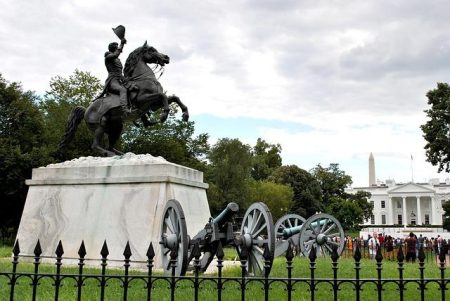
Donald Trump claimed crime has fallen “massively” in Washington, DC, citing an 87% drop in carjackings, Anadolu Ajansı reports, though local data and experts present a more mixed picture.

Snopes examines claims that violent crime in Washington, D.C., is at a 30-year low, reviewing official crime data, historical context, and political rhetoric to assess the accuracy of the widely shared statistic.

Fact Check Team examines crime statistics across the US and in Washington, DC, separating trends from misconceptions and analyzing what the latest data really shows.

President Trump is spotlighting crime in major US cities, drawing fresh attention and debate. WCVB examines recent crime statistics to show where the data supports, or contradicts, his claims.
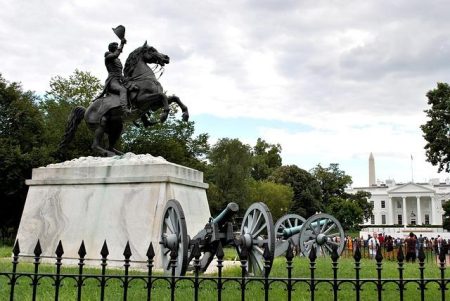
FactCheck.org debunks claims that Washington, D.C.’s recent homicide-free streak was the first in years, noting the city has seen similar periods without killings in recent history