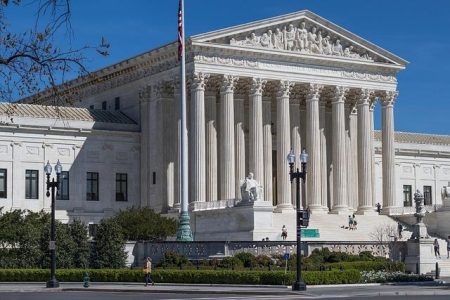


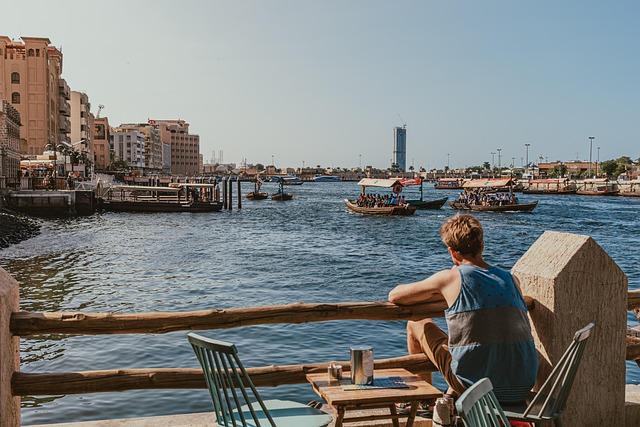
The hospitality group behind Dubai’s celebrated Trèsind Studio is bringing its brand of experimental modern Indian cuisine to Washington, D.C., with a pair of new concepts slated for a marquee downtown development. This marks the group’s first foray into the U.S. market and reflects growing investor confidence in the capital’s post-pandemic restaurant recovery. As D.C. continues to evolve from a government town into a global culinary destination, the arrival of a Dubai-grown fine dining powerhouse highlights the city’s appeal to international luxury brands and experience-driven diners alike.
Dubai’s experiential fine dining lands in Washington, reshaping the capital’s luxury restaurant identity
In the coming months, downtown Washington will welcome two new restaurants from the team behind Trèsind Studio, long regarded as one of Dubai’s most inventive fine-dining destinations. Known for immersive storytelling, intricate tasting menus and a cutting-edge interpretation of Indian cuisine, the group is effectively exporting a style of hospitality more commonly associated with Dubai’s ultra-luxury hotels and skyscrapers than with the corridors of K Street.
Their entry arrives at a pivotal moment. According to recent industry data, restaurant sales in the U.S. are projected to top trillion in 2024, with major metropolitan areas competing aggressively for headline-grabbing openings. For Washington, which has historically leaned on steak houses, hotel dining rooms and lobbyist-friendly bistros, the move signals a shift toward destination restaurants that emphasize theatricality, narrative menus and design-led spaces.
The new venues are expected to accelerate that transition by introducing a distinctly Dubai-inspired fine-dining model to the District:
- Chef’s tasting journeys: Carefully choreographed, multi-course menus with limited nightly capacity, turning each seating into a curated experience rather than a traditional meal.
- Avant-garde interior design: Spaces that merge high-tech lighting, custom art and luxurious finishes to mirror Dubai’s fusion of futurism and opulence.
- Refined non-alcoholic pairings: Elevated zero-proof beverage programs to serve wellness-focused guests and international visitors from markets where alcohol consumption is less central to dining culture.
- Hyper-personalized service: Hospitality teams trained to international luxury standards, emphasizing storytelling, tableside interaction and seamless guest recognition across visits.
As these concepts open their doors, local operators may find the bar for “special occasion” restaurants moving away from leather banquettes and oversized steaks toward immersive, narrative-driven gastronomy.
| Key Shift | Previous D.C. Norm | Emerging Benchmark |
|---|---|---|
| Dining Format | À la carte power meals | Curated multi-course experiences |
| Design Language | Clubby, traditional dining rooms | Immersive, highly stylized environments |
| Culinary Vision | Familiar, comfort-driven luxury | Conceptual, story-first innovation |
How Trèsind Studio’s playbook translates to D.C.: site strategy, chef recruitment and concept mix
The group’s choice of downtown D.C. is anything but accidental. The area’s dense concentration of federal agencies, global law firms, embassies, cultural institutions and high-end hotels provides a built-in audience for ambitious restaurants that can function as both business backdrops and nightlife destinations.
By locating within a prominent mixed-use development, the operators are aiming to capture multiple guest segments under one roof:
- Weekday power diners: Lawyers, lobbyists and executives seeking refined lunches, discreet meetings and corporate entertainment.
- Destination diners: Local and out-of-town guests booking tasting menus weeks in advance as part of special-occasion or weekend itineraries.
- Cultural and event traffic: Pre-theater patrons, art-goers and conference attendees drawn from nearby museums, performance venues and convention spaces.
Behind the scenes, the group is already exploring partnerships with hotel concierges, luxury retailers and nearby galleries to anchor the restaurants within broader “night out” or “weekend in D.C.” packages. This ecosystem-based strategy mirrors how Trèsind Studio operates within Dubai’s high-end hotel districts, but tuned for the rhythm of the American capital.
Equally crucial is the team behind the stove. Rather than simply replicating Dubai’s staffing model, the company is assembling hybrid kitchen brigades:
- Local talent from D.C. and the Mid-Atlantic: Chefs and front-of-house leaders who understand the preferences, pace and expectations of the District’s diners.
- Key transfers from the Dubai flagship: Core team members who can faithfully convey Trèsind Studio’s creative DNA, technical standards and approach to modern Indian cuisine.
Concept development is being treated like a diversified portfolio, not a one-note transplant of the Dubai brand:
- Flagship tasting counter: A high-concept venue focused on extended, course-by-course tasting menus and intimate chef interaction.
- Casual sister spot: A more relaxed restaurant centered on shared plates, a strong bar program and a shorter, more flexible menu for spontaneous visits.
- Guest chef showcases: Limited-run collaborations with regional and international chefs to keep the offering dynamic and encourage repeat visits.
| Pillar | Dubai Model | D.C. Interpretation |
|---|---|---|
| Location | Luxury hotel and waterfront enclaves | Downtown office–culture–tourism hub |
| Chef Talent | Centralized, star-driven leadership | Blend of imported veterans and local standouts |
| Concept Mix | Single marquee studio format | Dual concepts under one hospitality umbrella |
The economics of ultra-high-end tasting menus in Washington: rent, labor and buildout realities
Opening an ultra-luxury chef’s counter in the heart of Washington now involves financial commitments that look more like those of a boutique investment firm than a traditional restaurant. Prime downtown space in trophy buildings can command base rents in the triple digits per square foot, with additional charges for shared areas and percentage-based rent built into leases.
For a tasting-menu-focused venue, the physical buildout compounds the cost:
- Custom millwork, stone and metals tailored to small dining rooms and chef’s counters.
- Specialized kitchen layouts and show kitchens that allow guests to watch the cooking process up close.
- Acoustic engineering and lighting systems that support a theatrical, intimate experience.
This often pushes per-seat investment to levels that require high check averages, robust beverage sales and carefully managed seat utilization. Rather than prioritizing volume, owners are treating each seat like a high-yield asset, designed to host a specific number of high-value experiences per week. Corporate backing, patient capital and the brand’s global ambitions help justify longer payback horizons.
Labor costs add another layer of complexity. Extended tasting menus—often ranging from 14 to 20 courses—necessitate:
- Deep kitchen brigades capable of intricate, multi-component dishes.
- Highly trained servers and sommeliers who can narrate each course and pairing.
- Reservation and guest-relations teams to manage waitlists, dietary needs and prepayment systems.
With wages, benefits and recruitment costs rising across the U.S. hospitality industry, operators are turning to a mix of revenue and efficiency strategies to balance the books:
- Dynamic pricing: Adjusting menu prices or minimum spends for prime days, time slots and counter seats.
- Prepaid reservations: Using ticketing-style systems to lock in revenue, combat no-shows and better predict staffing needs.
- Cross-training: Building lean teams where staff can fluidly cover multiple roles, from tableside finishing to beverage service.
- Curated pairings: Leveraging wine, spirits and non-alcoholic pairings to raise per-guest spend without increasing capacity.
| Cost Driver | Pressure Point | Operator Response |
|---|---|---|
| Rent | Top-tier downtown visibility | Smaller, more focused spaces with higher average checks |
| Labor | Specialized staff in a tight market | Competitive pay, cross-trained teams and clear career paths |
| Buildout | High design and technical requirements | Phased rollouts, sponsorships and long-term lease commitments |
| Ingredients | Imported and niche regional products | Seasonally driven menus and deeper relationships with purveyors |
How D.C. hospitality leaders can respond: collaboration, pricing innovation and experience design
The impending arrival of Trèsind Studio’s team is already prompting a quiet strategic reset among D.C. restaurateurs, especially those with a footprint in and around downtown. Rather than simply bracing for new competition, many are using the moment to rethink how they position their own brands—both relative to the Dubai group and alongside it.
One emerging theme is partnership. Local stakeholders are experimenting with:
- Cross-brand itineraries: Packages that combine hotel stays, chef’s counter dinners, cocktail bar visits and tickets to theaters or museums.
- Walkable hospitality “districts”: Coordinated routes linking independent bars, long-standing D.C. dining rooms and new luxury entrants into cohesive, car-free nights out.
- Joint marketing and events: Co-produced festivals, pop-ups and culinary series that feature multiple venues, amplifying visibility for all participants.
Behind these collaborations sits a growing emphasis on shared data. By tracking guest spend, dwell time and repeat visitation across partner venues—with appropriate privacy safeguards—operators can refine offers, adjust pricing tiers and schedule programming for maximum impact.
Pricing strategy is evolving, too. To remain accessible to local diners while keeping revenue strong, D.C. restaurants are exploring:
- Layered tasting options: Shorter, entry-level tasting menus on weekdays alongside more elaborate weekend experiences.
- Time-based offers: Pre-theater menus, late-night snacks and off-peak pricing to smooth demand across the evening.
- Dynamic reservations: Variable pricing or minimums tied to time, date and table location.
Experience design is shifting in step. While Trèsind Studio is known for intricate, narrative-focused presentations, local chefs are adapting that sensibility in their own way—through:
- Menus that reference D.C. history, regional farms and global influences.
- Chef interactions and tableside elements that feel personal rather than overly scripted.
- Immersive beverage programs, from thoughtfully structured wine flights to sophisticated zero-proof cocktails.
To make this work seamlessly for guests, some operators are mapping the full journey—from valet or rideshare drop-off to the final nightcap—across multiple venues. Integrated reservation tools, shared staff training, aligned service standards and curated add-ons (such as art tours or meet-the-chef moments) help transform individual reservations into cohesive, memorable nights in the city.
- Cross-venue packages: Linked experiences with hotels, performance venues and galleries to encourage multi-stop itineraries.
- Flexible menus: Tiered offerings such as weeknight prix fixe, late-evening menus and seasonal tasting sets.
- Shared storytelling: Coordinated narratives that highlight regional ingredients, neighborhood history and global culinary dialogue.
- Data-led collaboration: Pooled insights on guest behavior informing everything from staffing levels to menu design.
| Focus Area | Competitive Move | Collaborative Angle |
|---|---|---|
| Partnerships | Signature chef events and exclusive dinners | Citywide tasting trails and neighborhood passes |
| Pricing | Dynamic reservation and menu pricing | Bundled offers and shared passes with built-in value |
| Experience | Highly choreographed, high-touch service | Co-branded cultural and culinary programming |
Concluding Remarks
As the team behind Trèsind Studio finalizes its Washington, D.C. debut, the move reinforces the District’s status as a proving ground for globally ambitious, chef-driven concepts. With two new downtown restaurants on the way, the group is wagering that local and visiting diners alike are ready for elevated, experiential Indian cuisine in the political heart of the United States.
Their success or struggle will offer a clear signal to other international brands weighing U.S. expansion—and to local operators refining their own strategies in an increasingly competitive landscape. Whether the Dubai-born concepts manage to capture the same acclaim in D.C. that they enjoy in the Gulf will be closely watched, not just by the city’s hospitality community, but by national observers tracking where the next wave of luxury, experience-first dining will take root.