




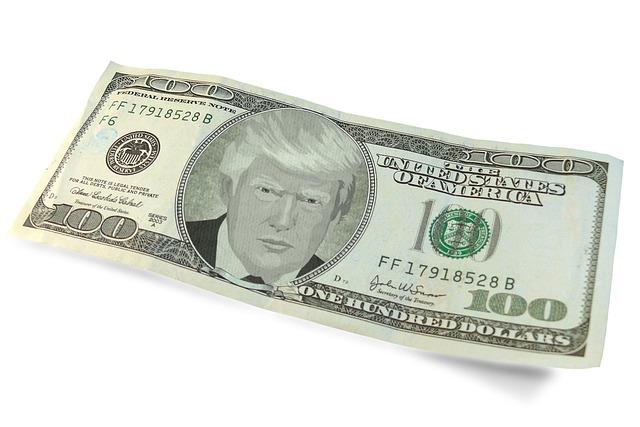
Former U.S. President Donald Trump has issued a pointed warning to New Delhi, indicating that India could face higher tariffs if it keeps buying large volumes of discounted Russian oil. The remarks thrust India’s energy partnership with Moscow back into the spotlight at a time when Western sanctions on Russia remain in force, and they hint at a harder-edged trade stance toward one of Washington’s most important strategic partners. Trump’s comments suggest that India’s continued dependence on Russian crude could carry direct economic penalties, reopening old wounds over tariffs and trade frictions even as the geopolitical landscape keeps shifting.
Trump hints at new U.S. tariffs on India over continued Russian oil imports
In recent comments that unsettled policymakers in New Delhi and traders in global energy markets, Donald Trump signaled that Indian exports could be hit with sharp new U.S. tariffs if India maintains its current trajectory of importing discounted Russian crude. He cast the matter as both a national security concern and a trade issue, framing India’s oil purchases as out of step with Washington’s broader sanctions push.
The message appears aimed at tightening political and economic pressure on Prime Minister Narendra Modi’s government to scale back energy ties with Russia, which have expanded significantly since Moscow’s invasion of Ukraine and the subsequent sanctions imposed by the U.S. and its allies. Analysts note that this rhetoric injects fresh uncertainty into an already delicate economic relationship, where longstanding disagreements over digital taxation, market access constraints and legacy steel and aluminum duties remain only partially resolved.
- Target: Indian export categories already subject to U.S. monitoring and prior trade actions
- Trigger: Persistent, large-scale purchases of discounted Russian crude oil
- Message: Move closer to U.S.-led sanctions policy or absorb higher trade costs
| Area | Current Status | Tariff Risk |
|---|---|---|
| Energy Policy | Heavy reliance on Russian barrels | Leveraged as bargaining chip |
| Textiles & Apparel | Solid foothold in U.S. retail chains | Susceptible to duty increases |
| IT & Services | Integral to U.S. corporations | Lower direct risk, but close scrutiny |
Indian officials, while avoiding open confrontation, have repeatedly underscored the need for reliable and affordable energy supplies to sustain one of the world’s fastest-growing major economies. Any formal move by Washington toward higher tariffs, they argue privately, would prompt a measured but firm response and could spill over into cooperation on defense, digital trade and advanced technology partnerships.
Markets and policy experts are now watching to see whether a future Trump administration would translate this hawkish rhetoric into action—through formal trade investigations, Section 301-style probes and targeted duties—or use the threat of tariffs primarily as leverage to secure concessions on both oil imports and the broader U.S.-India trade agenda.
India’s strategic dilemma: Cheap Russian crude vs. potential U.S. trade retaliation
For New Delhi, discounted Russian oil has acted as a vital economic shock absorber. Since 2022, India’s purchases of Russian crude have surged, at times making Russia its top oil supplier and helping ease inflationary pressures, narrow the current account deficit and support a fragile post-pandemic rebound. Yet each incremental cargo of cut-price barrels also heightens the risk of a backlash from Washington, especially if a Trump-led administration explicitly links India’s energy strategy to punitive trade moves.
Indian policymakers are effectively managing a multi-dimensional balance sheet: on one side, the macroeconomic benefits of cheap oil; on the other, the risk of jeopardizing access to the U.S. market, which remains critical for exports of pharmaceuticals, textiles, engineering products and IT services. The question is not only about immediate gains and losses, but also about long-term strategic leverage as the global order fragments into competing blocs.
New Delhi is trying to signal strategic autonomy—maintaining ties with Russia, deepening links with the U.S. and engaging with Europe and the Indo-Pacific—all without provoking outright sanctions. This includes experimentation with alternative payment systems, more discreet procurement channels and carefully calibrated public statements on the Ukraine conflict. Behind the scenes, trade and energy officials are running scenario analyses ranging from modest sector-specific duties to a comprehensive reset of U.S.-India economic engagement.
- Energy affordability vs. exposure to escalating U.S. tariffs.
- Strategic autonomy vs. closer alignment with Western sanctions frameworks.
- Short-term fiscal relief vs. preserving long-run access to the U.S. consumer market.
| Factor | From Russian Oil | From U.S. Trade |
|---|---|---|
| Economic Impact | Lower import bill; support for growth | Robust export earnings and jobs |
| Political Risk | Heightened Western scrutiny and criticism | Tariff hikes, non-tariff barriers |
| Strategic Value | Greater energy security and bargaining power | Access to technology, capital and innovation |
Where tariff pressure could bite: Vulnerable Indian goods and services
Trade specialists caution that renewed U.S. tariff pressure would not remain confined to a few headline sectors. It could ripple across India’s export ecosystem, affecting both traditional goods and high-value services. Industries with strong dependence on American buyers—such as pharmaceuticals, IT services, engineering goods and textiles—are especially sensitive to even modest duty increases or stricter regulatory demands.
Possible U.S. actions under discussion among analysts and industry groups include targeted tariff hikes on specific product lines, tighter rules-of-origin checks to discourage trans-shipment, and an expanded use of non-tariff tools, from enhanced quality and safety standards to stepped-up audits of supply chains. Such measures could compress margins, complicate contracting and prompt global buyers to diversify away from India toward competitors in countries like Vietnam, Mexico or Indonesia.
Services, typically insulated from traditional tariff wars, may also feel indirect heat if political tensions spill into the digital and outsourcing domains. U.S. lawmakers have periodically floated curbs on work visas, questioned the offshoring of sensitive IT and back-office work, and debated bespoke levies on cross-border digital services. Any fresh push along these lines would reverberate across India’s flagship IT hubs and business process outsourcing centers.
- Higher landed costs for Indian manufactured goods, eroding price competitiveness in U.S. markets.
- Renegotiated or delayed contracts as U.S. clients reassess sourcing strategies and diversify suppliers.
- Employment pressures in export-heavy clusters—from textile hubs to auto-component belts and IT corridors.
- Tighter financing as banks and investors re-evaluate credit and risk for firms exposed to potential tariffs.
| Sector | U.S. Exposure | Tariff Risk | Likely Impact |
|---|---|---|---|
| Pharma Generics | High | Medium | Margin pressure, higher compliance and testing costs |
| IT & BPO | Very High | Indirect | Visa constraints, digital service charges, regulatory scrutiny |
| Textiles & Apparel | Medium | High | Order shifts to rivals, employment losses in labor-intensive units |
| Engineering Goods | High | High | Reconfigured supply chains, potential relocation of contracts |
How India can de-risk: Diversifying energy, trade partners and diplomatic channels
Indian policymakers are increasingly focused on building resilience so that no single market, fuel source or political relationship can significantly disrupt growth. On the trade side, New Delhi is seeking deeper integration with ASEAN, the EU and African economies through a mix of new free trade agreements, improved logistics connectivity, rupee-based settlement options and expanded export credit support for small and medium enterprises.
At the same time, India is positioning itself in supply-chain friendly sectors—including electronics manufacturing, green technology components and advanced pharmaceuticals—to attract investment that might otherwise flow to other emerging markets. Discussions also continue around a calibrated use of tariff reciprocity, complemented by active engagement at platforms like the WTO and G20, to signal that India is willing to defend its interests without provoking an open trade war with the U.S.
- Energy diversification via expanded LNG imports, accelerated solar and wind capacity, and faster implementation of nuclear and hydro projects.
- Strategic petroleum reserves to cushion supply disruptions or price spikes if Russian shipments are curtailed by sanctions or shipping restrictions.
- Balanced crude sourcing that pairs Russian barrels with visible purchases from U.S., Gulf and other producers to demonstrate diversification.
- Financial risk management through alternative payment frameworks and local-currency trade arrangements to reduce vulnerability to secondary sanctions.
| Policy Track | Key Move | Risk Offset |
|---|---|---|
| Trade | Concluding FTAs with the EU, UK and key Indo-Pacific partners | Reduces U.S. dominance in India’s export portfolio |
| Energy | Higher imports from Gulf producers and U.S. shale exporters | Lessens overdependence on Russian crude |
| Diplomacy | Regular high-level U.S.-India strategic and commercial dialogues | Provides channels to manage tariff and sanctions disputes |
| Domestic | Scaling renewables, storage and grid modernization | Cuts exposure to global fossil fuel price shocks |
Key Takeaways
As U.S. policymakers weigh how far to push on Russia-related sanctions enforcement, the prospect of higher tariffs on Indian exports has emerged as a fresh source of uncertainty between two major democracies whose economic and security interests are deeply intertwined. India’s continued reliance on discounted Russian crude remains central to its domestic growth and inflation strategy, while Trump’s warning demonstrates how energy decisions can quickly intersect with trade policy and diplomatic signaling.
The choices New Delhi and Washington make in the coming years—on oil, tariffs, technology cooperation and strategic alignment—will be closely monitored by investors, governments and analysts worldwide. The outcome will help determine whether pragmatic economic cooperation can coexist with geopolitical competition, or whether pressure over Russia and energy will push U.S.-India ties into a more confrontational trade phase.


