


Browsing: Politics
Dogecoin’s moment has faded, but the political fight over federal spending cuts is only intensifying, revealing deeper divisions in Washington over budgets, priorities and power.
Trump blamed “vandalism” for murky water and dead fish in Washington DC’s Lincoln Memorial reflecting pool, sparking debate as officials instead cited algae and maintenance issues.

Sen. Lindsey Graham’s political career is defined by reversals, most notably his shift from outspoken Trump critic to loyal ally, reflecting broader GOP turmoil and adaptation.

A court has ruled that Philadelphia cannot require a historic house museum to include references to slavery in its exhibits, raising questions about local authority over historical interpretation.
The Supreme Court’s looming decision is poised to upend U.S. politics, altering election rules and power balances nationwide. Lawmakers, advocates and voters now await a transformative ruling.
Freedom House warns Georgia’s democratic “reset” with Washington rings hollow while political prisoners remain behind bars, spotlighting human rights concerns in the strategic U.S. ally.
Arizona State University’s Dialogues for Democracy series opened its spring lineup with a panel on the 2022 midterm elections, examining voter turnout, polarization and challenges to U.S. democratic norms.

Visitors to the Great American State Fair are calling the event “a total disappointment” as extreme heat scorches the grounds, forcing families to seek shade, cut visits short and question safety measures.

Attendees at Trump’s Great American State Fair say politics hasn’t overtaken the festivities, telling NBC News the event still feels like a traditional fair focused on family, food, and entertainment.
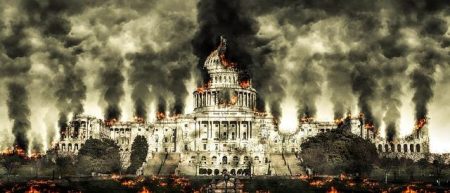
A federal design panel has approved former President Trump’s proposal for a 250-foot commemorative arch in Washington, clearing a key hurdle for the controversial monument.
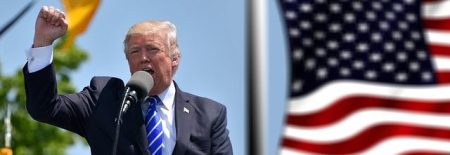
President Trump swiftly dismissed the newly court-appointed top prosecutor in Seattle, sparking legal and political turmoil. Critics question the move’s legality as federal tensions escalate.
The federal government has replaced the slavery exhibition at George Washington’s Philadelphia home, sparking debate among historians and activists over public memory and historical interpretation.

Some Jan. 6 rioters who stormed the U.S. Capitol now claim the government owes them money, filing lawsuits that test legal accountability, victimhood, and the lasting fallout of the attack.

The Supreme Court has curtailed key protections of the landmark Voting Rights Act, a move that could bolster Republican efforts to retain and expand control of the U.S. House.

Gen Z voters express mounting anxiety over climate, economy and democracy, doubting politicians can deliver real change, a Washington Post report on youth attitudes finds.

A new PBS poll finds most Americans believe the U.S. has drifted from its founding principles, revealing deep concerns over democracy, rights, and the nation’s political direction.

As independents reach record numbers, many find themselves sidelined by a two-party system built for Democrats and Republicans, raising urgent questions about U.S. democratic representation.

OpenAI has reportedly offered a 5% company stake to the Trump administration in a bid to ease regulatory pressure in Washington, CNBC reports, raising fresh questions over tech-political ties.

The U.S. government entered a likely brief shutdown after the House failed to pass a funding deal, forcing federal agencies to halt some operations as lawmakers race to reach a last-minute agreement.

The Washington Post reports that an ex-girlfriend accuses Graham Platner of removing condoms without her consent during sex, raising concerns about consent, safety and legal accountability.