Washington, D.C. is often defined by its marble monuments and corridors of power, but the nation’s capital is just as much a stage for parades, performances, and street-level celebration. From time‑honored parades that draw national attention to neighborhood festivals that spotlight local creators, the city’s cultural calendar reflects a blend of historic tradition and evolving identity.
This guide to the 15 best cultural events and festivals in Washington, D.C., curated by TripSavvy, highlights the gatherings that shape the city’s public life each year. Covering everything from international film spotlights and heritage festivals to large‑scale music and food events, it offers a snapshot of how residents and visitors come together in the District—on the Mall, along its avenues, and in its vibrant neighborhoods—to experience the capital beyond politics.
Exploring Washington DC signature cultural celebrations and their historic roots
In the nation’s capital, annual gatherings read like a living timeline of American democracy and global migration. From the solemn ceremony of Memorial Day observances on the National Mall to the vibrant Caribbean Carnival winding through residential corridors, each event traces its lineage to pivotal moments in the city’s past. Long-standing traditions such as the National Cherry Blossom Festival, born from Japan’s 1912 gift of cherry trees, and Juneteenth celebrations on U Street, echo the stories of diplomacy, emancipation, and reconstruction that reshaped Washington’s streets and skyline. Together, they form an unofficial calendar of remembrance, resilience, and reinvention.
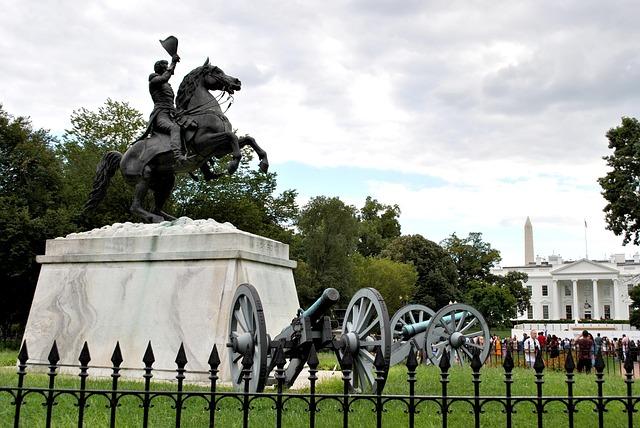
Today’s headline events merge modern spectacle with historic symbolism, often within view of marble monuments and neoclassical facades. Neighborhood-based festivals along Georgia Avenue and H Street build on decades of Black cultural activism, immigrant entrepreneurship, and post-riot reinvestment, while embassy-backed programs elevate DC’s role as a global crossroads. Below, a snapshot of key traditions and their origins underlines how the city’s most photographed festivities are also its most revealing history lessons:
- National Cherry Blossom Festival – Commemorates Japan’s 1912 gift of cherry trees and a century of bilateral diplomacy.
- Smithsonian Folklife Festival – Launched in 1967 to document and celebrate living traditions from across the United States and the world.
- Capital Pride – Emerged from 1970s LGBTQ+ rights marches, now a major platform for civil rights advocacy.
- H Street Festival – Reflects the corridor’s rebirth after 1968 unrest, highlighting local arts, food, and small businesses.
- DC Emancipation Day Events – Mark the 1862 law freeing enslaved people in the District, predating the Emancipation Proclamation.
| Event | Historic Root | Signature Element |
|---|---|---|
| National Cherry Blossom Festival | 1912 Japan–US tree gift | Blossom kite-flying and parades |
| Smithsonian Folklife Festival | 1960s cultural preservation | Live craft and music demonstrations |
| Capital Pride | Early LGBTQ+ rights marches | Colorful parade down Pennsylvania Ave. |
| DC Emancipation Day | 1862 abolition in the District | Civic speeches and historical reenactments |
How to experience major DC festivals like a local with insider tips and timing advice
Locals mark their calendars by cherry blossoms, jazz riffs, and parade routes, and they plan around crowds with surgical precision. The pattern is simple: arrive early, anchor yourself near transit, and focus on neighborhood vantage points instead of the National Mall’s most obvious lawns. During large-scale events like the National Cherry Blossom Festival or Independence Day celebrations, Washingtonians slip into museums during peak midday crush, then re-emerge at golden hour for performances and fireworks. They also keep an eye on weekday versus weekend programming, targeting weeknights for lower foot traffic and shorter security lines at marquee stages.
Seasoned residents rely on Metro opening times, side-street bike lanes, and hyper-local gathering spots to outmaneuver peak congestion. They watch the weather and adjust by shifting to morning programming on hot days or late-evening concerts when humidity drops, and they rarely show up without a backup plan if a venue reaches capacity. For visitors hoping to follow their lead, the table below outlines how Washingtonians time some of the city’s biggest cultural gatherings:
| Festival | Local Timing Move | Insider Spot |
|---|---|---|
| National Cherry Blossom Festival | Arrive by sunrise on peak bloom days to beat tour buses. | Quiet paths on the FDR Memorial side of the Tidal Basin. |
| Smithsonian Folklife Festival | Visit on weekday afternoons between tour-group waves. | Shaded edges near the National Museum of American History. |
| Fourth of July on the Mall | Enter by mid-afternoon, leave via Metro two or three stops away. | Fireworks views from Mount Vernon Trail across the river. |
| DC JazzFest | Target late-night sets after waterfront headliners end. | Intimate clubs along the U Street Corridor. |
- Use neighborhood festivals (like Adams Morgan Day or H Street Festival) to sample food and music scenes that don’t always appear on National Mall itineraries.
- Check local transit alerts and street-closure maps 24 hours before big parades and marches.
- Pack light to move quickly through security and between stages, just as residents do.
- Monitor hyperlocal media and neighborhood listservs for last-minute venue changes or pop-up performances.
Family friendly cultural events in the capital from museum festivals to neighborhood parades
Washington, DC offers a steady rotation of cultural happenings designed with kids and multi‑generational groups in mind, turning the National Mall and neighborhood corridors into open-air classrooms. Families find hands-on science labs at Smithsonian museum festivals, bilingual story times under the cherry blossoms, and drumming circles during heritage months that invite children to join in. Interactive exhibits, pop-up craft stations, and kid-sized docent talks keep younger visitors engaged, while parents appreciate clear security, stroller access, and easy connections to Metro stations. Even major commemorations—from Independence Day celebrations to cultural heritage weeks—now feature dedicated “family zones” with quiet spaces, changing stations, and healthy snack vendors.
Outside the monumental core, local main streets stage block parties and parades where school marching bands, community dance troupes, and neighborhood arts nonprofits share the spotlight. Pet-friendly sidewalks, short parade routes, and early evening start times make these gatherings manageable for families with small children. Regular fixtures include:
- Interactive museum festivals with craft tents and kid-friendly performances.
- Neighborhood parades spotlighting cultural clubs, youth groups, and local cuisine.
- Seasonal street fairs featuring face painting, storytelling, and regional music.
- Library and park pop-ups offering art workshops tied to citywide celebrations.
| Event Type | Best For | Typical Time |
|---|---|---|
| Museum festivals | Hands-on learning | Weekends, midday |
| Neighborhood parades | Strollers & young kids | Afternoons |
| Street fairs | All-ages crowds | Late spring–fall |
Planning your DC festival itinerary with neighborhood guides transit options and dining picks
With events stretching from the National Mall to the H Street Corridor and The Wharf, festival-goers are increasingly planning days around metro stops as much as headliners. Visitors are advised to anchor their schedules around key corridors—such as Downtown & Penn Quarter for museum-heavy celebrations, U Street & Shaw for music and nightlife, and Capitol Hill & H Street NE for parades and street fairs—then layer in nearby dining and cultural stops. Neighborhood business improvement districts have begun publishing real-time crowd and transit updates, giving festival fans a clearer sense of when to hop off the train or reroute by bus or scooter.
- Use the Metro as your backbone: exit one stop early to avoid congestion and walk through historic blocks.
- Bookmark neighborhood guides: local blogs and BID sites now map pop-up galleries, bookshops, and small theaters alongside major festivals.
- Plan meals by area: choose one standout brunch, a quick festival-adjacent snack, and a late-night bite within walking distance of the venue.
| Area | Nearest Metro | Festival Style | Dining Pick |
|---|---|---|---|
| National Mall | Smithsonian / Federal Triangle | Historic & national showcases | Food trucks along 7th St. SW |
| U Street & Shaw | U Street / Shaw–Howard U | Jazz, go-go, night festivals | Late-night soul food corridors |
| H Street NE | Union Station + DC Streetcar | Street parades & indie arts | Gastropubs and local cocktail bars |
| The Wharf & SW | Waterfront / L’Enfant Plaza | Waterfront concerts | Seafood markets and fast-casual stalls |
Final Thoughts
As Washington, D.C.’s calendar makes clear, the nation’s capital is far more than a seat of government; it is a living, evolving showcase of American culture in all its forms. From time-honored parades and solemn commemorations to cutting-edge arts festivals and neighborhood block parties, these events reveal a city that continuously redefines itself while honoring its past.
For residents, the festivals offer recurring touchpoints of community and continuity. For visitors, they provide a lens into the District’s many identities—political, artistic, international, and deeply local. Whether you plan your trip around a marquee celebration or simply stumble onto a street fair in progress, Washington’s cultural calendar ensures that any visit can intersect with something larger than a single attraction or monument.
As more organizers experiment with hybrid formats, expanded access, and broader representation, the landscape of D.C. festivals will likely continue to grow and diversify. But the thread remains the same: in the capital, culture is not confined to museums and memorials. It spills into avenues, parks, and waterfronts—inviting anyone willing to join the crowd to experience the city at its most vivid.