

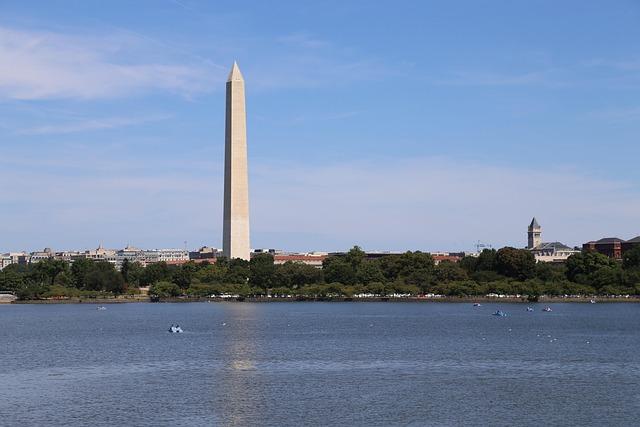
The Reflecting Pool on Washington, DC’s National Mall was supposed to emerge from its $34 million renovation as a gleaming emblem of American ideals. Instead, only weeks after reopening, visitors have been greeted by broad swaths of green algae drifting across the surface and dulling the view of the Lincoln Memorial. The transformation from crystal-clear to murky has baffled tourists, frustrated officials, and triggered debate: how did such a high‑profile project so quickly run into trouble, and what does it reveal about the realities of managing one of the country’s most photographed civic spaces?
What’s unfolding at the Reflecting Pool is more than an aesthetic hiccup. It has become a live experiment at the intersection of design, ecology, climate stress, and public expectations—an uncomfortable reminder that even the most carefully engineered landscape is still governed by natural systems.
When Renovation Backfires: How Design Turned the Reflecting Pool Into an Algae Habitat
The makeover of the Reflecting Pool was promoted as a much‑needed modernization. Crews installed new plumbing, laid a fresh liner, re‑designed the circulation network, and shifted the water source from the city’s treated supply to the nearby Tidal Basin. On paper, those changes promised cleaner, more sustainable water and lower operating costs.
In practice, several of those very upgrades unintentionally created an ideal environment for algae growth.
The new design left the pool:
- Shallower, so the sun’s rays can heat the thin layer of water quickly.
- More slowly circulated, meaning water sits longer before being refreshed.
- Smoothly lined, giving algae uninterrupted surfaces to cling to.
The engineering team focused on structural durability and conserving water, but the fine‑tuned ecological factors—like nutrient levels, flow dynamics, and temperature gradients—received far less attention. The result is a calm, warm, nutrient‑friendly basin where microscopic algae can multiply rapidly.
As the green film began to spread, the National Park Service highlighted a cluster of design‑related drivers: reduced turnover rates that allow algae more time to reproduce, streamlined contours that limit turbulence, and sleek materials that, while easy to hose down in theory, in reality let thin biofilms get established before crews can intervene.
To restore clarity, maintenance planners now have to juggle appearance, cost, visitor safety, and environmental impacts while weighing a series of interventions, including:
- Flow adjustments to break up stagnant pockets where algae flourish.
- Refined filtration systems to better capture microscopic organic matter.
- Calibrated chemical treatments targeted enough to improve clarity without damaging the broader ecosystem.
| Design Choice | Unintended Effect |
|---|---|
| Shallower water | Higher temperatures accelerate algae growth |
| Slower circulation | More stagnant zones, greater bloom risk |
| Smoother lining | Stable surfaces where algae films can anchor |
A “Perfect Storm” of Heat, Shallow Depth, and Runoff: Why the Water Turned Green
Scientists who study urban waterways say the Reflecting Pool’s algae surge is a textbook example of what happens when modern infrastructure collides with extreme weather and city runoff.
Recent heat waves in the Washington region have pushed air temperatures into the upper 90s and beyond. In a shallow, slow‑moving pool, that translates into rapidly warming surface water—essentially a giant, sun‑lit bath for algae. With only a thin sheet of water spread across a broad, open plaza, sunlight penetrates easily, and photosynthesis kicks into high gear.
Then comes stormwater. After summer downpours, rain sweeps across sidewalks, lawns, and roads, picking up:
- Fertilizers spread on nearby grass.
- Pet waste left on walkways.
- Organic debris like leaves, soil, and litter.
Those materials break down into nutrient compounds such as nitrogen and phosphorus—the same elements that help backyard gardens thrive. In the Reflecting Pool, they function as a potent fertilizer for algae blooms instead.
Researchers describe the situation as a feedback loop driven by:
- Prolonged hot spells, which stretch and intensify the algae growing season.
- Low water depth, which allows rapid heating and strong light penetration.
- Nutrient‑rich runoff, which provides ample food for algae.
- Slow water turnover, which fails to flush out contaminants or dilute nutrient concentrations.
These conditions mirror trends observed in other cities: according to the U.S. Environmental Protection Agency, harmful and nuisance algal blooms have increased in frequency across American lakes and reservoirs over the past decade, fueled by warming temperatures and excess nutrients. The Reflecting Pool, while ornamental rather than natural, is following similar patterns.
| Trigger | Effect on Pool |
|---|---|
| Heat wave | Warmer water, lower oxygen, faster algae metabolism |
| Shallow design | Rapid heating and accelerated algae growth |
| Runoff nutrients | Pronounced green tint and denser blooms |
Inside the National Park Service: Overlapping Roles, Fuzzy Accountability
Beneath the surface of the Reflecting Pool’s algae problem lies an administrative one. Responsibility within the National Park Service (NPS) is split among multiple departments and decision‑makers, creating gray areas when something goes wrong.
On the ground, facility managers and maintenance crews handle daily operations: checking pumps, clearing visible debris, and responding to visitor complaints. But the bigger calls—how often to run filtration cycles, when to schedule major cleaning, which targeted chemical treatments to apply, and how contractors are supervised—are decided by regional managers and specialized engineering divisions.
This layered structure is intended to ensure oversight; instead, it can slow action and cloud accountability. When water quality deteriorates, it isn’t always obvious who has the authority—or the budget—to act quickly.
According to internal accounts and public records, the result is a patchwork response characterized by:
- Irregular or delayed water‑quality testing.
- Maintenance tasks postponed when staffing is thin or funds are tight.
- Limited long‑term planning with external water‑quality specialists.
- Inconsistent communication about what level of clarity is considered acceptable.
Without clear, public benchmarks for water quality, it becomes easier for routine issues—like gradual nutrient buildup or minor equipment failures—to slip through the cracks.
Current responsibilities are broadly divided as follows:
- On‑site staff: Track water levels, clear trash and visible surface scum.
- Regional NPS leadership: Approve budgets, prioritize projects, sign off on major interventions.
- Engineering teams: Design and repair pumps, filters, and circulation systems.
- External contractors: Apply chemical treatments, carry out specialized cleaning and inspections.
| Role | Primary Duty | Gap Risk |
|---|---|---|
| Park Managers | Set maintenance strategy and schedules | Slow or cautious decision‑making |
| Maintenance Crew | Daily inspections and minor repairs | Understaffing during peak seasons |
| Water Quality Experts | Design testing and treatment plans | Irregular or reactive monitoring |
| Contractors | Specialized cleaning and chemical application | Fragmented oversight and coordination |
From Stopgaps to Strategy: Long‑Term Solutions for a Clearer Reflecting Pool
For many engineers and urban planners, the Reflecting Pool’s condition is less an unsolvable puzzle than a reminder that water features need to be designed and managed as living systems. Around the world, cities are upgrading fountains, canals, and decorative basins to cope with hotter summers, heavier rainfall, and rising visitor numbers.
The tools now available go far beyond simple filters and periodic draining. Modern systems combine:
- High‑capacity mechanical filtration to remove fine particles.
- Ultraviolet disinfection to disrupt algae and pathogen growth without leaving chemical residues.
- Smart sensors and automated controls that adjust flow and backwashing cycles before blooms gain a foothold.
Applied to the Reflecting Pool, these technologies could work alongside a more ecological redesign—such as separating the most iconic viewing sections from areas where wildlife congregate, or creating small buffer zones that intercept organic waste before it enters the main basin.
Equally important is shifting from a reactive maintenance model to a predictive one. That could include:
- Real‑time water quality dashboards for staff, displaying temperature, turbidity, and nutrient indicators.
- Regular data‑sharing between NPS and environmental agencies to anticipate algae‑friendly conditions.
- Public‑facing updates that explain why the pool might occasionally be drained, fenced, or treated.
Behavior also matters. Simple management choices—like adjusting cleaning schedules to match peak tourist periods, redesigning nearby landscapes to reduce fertilizer runoff, limiting bird feeding, and ramping up visitor education—can substantially cut the nutrient load entering the pool.
Proposed or potential measures include:
- Advanced filtration tuned to capture algae, spores, and dissolved nutrients.
- Automated monitoring to flag sudden changes in temperature, clarity, or oxygen levels.
- Revised cleaning protocols synced with seasonal weather patterns and holiday crowds.
- Public education initiatives to discourage littering, feeding wildlife, and dumping liquids into the pool.
| Measure | Goal | Timeframe |
|---|---|---|
| Filtration upgrade | Reduce frequency and intensity of algae blooms | 1–2 years |
| Smart sensors | Continuously track water quality and trigger responses | Ongoing |
| Policy changes | Lower nutrient and organic inputs from visitors and runoff | Seasonal review |
In Summary
The National Park Service maintains that the current algae outbreak is temporary—a combination of shallow water, record‑setting summer heat, and a still‑stabilizing ecosystem. But the sight of a green‑tinged Reflecting Pool at the heart of the National Mall has become a lens on deeper issues: aging infrastructure, limited maintenance budgets, fragmented oversight, and the mounting pressures of a warming climate on public spaces.
As new filters are tested, pumps recalibrated, and management practices revised, officials say the Reflecting Pool will again mirror the Lincoln Memorial in clear, still water. Until then, the algae bloom offers its own kind of reflection: a reminder that even the most carefully polished symbols of democracy are shaped—and sometimes challenged—by the natural forces they sit within.