


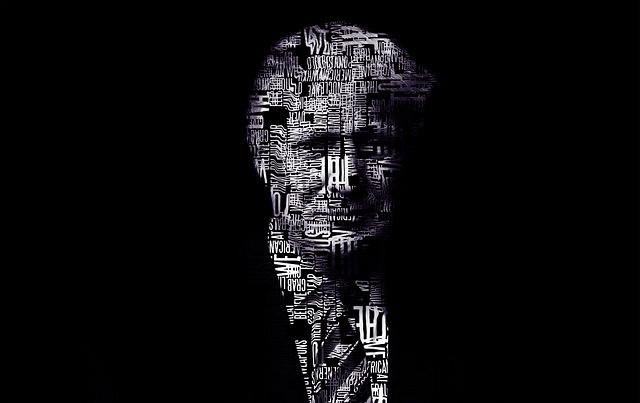
Donald Trump has spent decades treating his last name as more than just an identifier. It has functioned as a logo, a signal of status, and a kind of political slogan—plastered on skyscrapers, resorts, golf courses, consumer goods, and media projects. Long before his presidency, and continuing after he left the White House, Trump turned his surname into a versatile asset that crosses the boundaries between real estate, commerce, politics, and culture.
This overview explores how the Trump brand has been deployed, how its meaning has shifted over time, and what that label now implies for property value, reputation, and public life.
From Skyline Signature to Supermarket Shelf
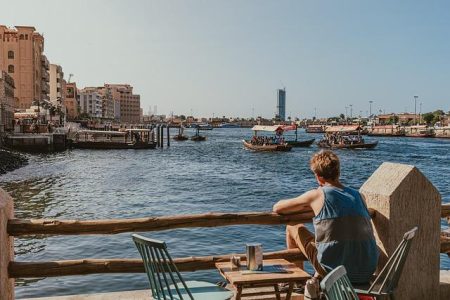
In the 1980s and 1990s, the Trump name became synonymous with high-end real estate. From New York to international hubs like Dubai and Manila, the strategy followed a familiar script: develop or manage a property, crown it with oversized metallic letters spelling TRUMP, and sell not just square footage but an image of lavish success. Tower entrances, hotel facades, and golf clubhouses doubled as advertising, using the family name as a beacon for aspiration and exclusivity.
Over time, the same logic expanded beyond buildings. Trump’s brand migrated into everyday products and niche ventures that attempted to monetize his celebrity and media presence. The name ended up on:
- High-end cuts of meat and branded food lines
- Bottled water served at hotels and events
- A short-lived airline service aimed at business travelers
- Educational programs and “university” offerings
In each case, the Trump brand operated as both a product logo and a cultural litmus test. Admirers saw luxury and boldness; critics questioned quality, longevity, and the underlying business fundamentals. Many of these endeavors faded quickly, but they expanded the idea that almost anything—from steaks to airline seats—could be packaged under one powerful surname.
- Real estate: Towers, hotels, and golf resorts marketed as exclusive, luxury destinations.
- Consumer products: Branded food, beverages, and lifestyle items aimed at loyal fans and curious buyers.
- Entertainment & media: Television franchises, pageants, and digital ventures built around Trump’s persona.
- Hospitality services: Licensing and management deals where the name, more than ownership, was the primary selling point.
| Brand Extension | Category | Public Legacy |
|---|---|---|
| Trump Tower | Luxury Real Estate | Enduring emblem of the Trump brand |
| Trump Steaks | Consumer Goods | High-profile but short-lived venture |
| Trump Water | Beverage | Frequently used at Trump hotels and events |
| Trump Shuttle | Airline Service | Temporary foray into commercial aviation |
When a Name Becomes a Political Marker
As Trump transitioned from celebrity developer to political figure, his name evolved from a commercial asset into a partisan signifier. Buildings, golf courses, and consumer products bearing the Trump label no longer represented only luxury or ambition; they also carried connotations about ideology, loyalty, and political identity.
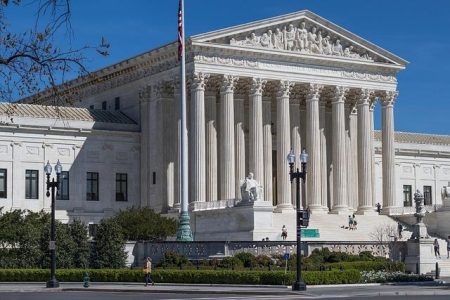
Terms like “Trump Republicans” and “Trump judges” turned his surname into shorthand for a particular brand of politics—confrontational, norm-breaking, and personality-driven. Allies embraced the label as a badge of allegiance, while opponents used it as a warning about democratic backsliding and institutional strain. The more polarized the political environment became, the more every Trump-branded sign or venue looked like a public statement, not just a marketing choice.
Marketers, campaigns, and businesses quickly recognized that the Trump name functioned as both a draw and a deterrent:
- Real estate: Trump-branded properties marketed prestige and status but risked becoming flashpoints for protest.
- Political merchandise: Hats, flags, and apparel turned campaign slogans into revenue streams and mobile advertising.
- Media projects: TV shows, rallies, and online platforms amplified controversy to keep the brand constantly in the headlines.
| Use of Name | Primary Goal | Political Effect |
|---|---|---|
| Buildings & resorts | Sell an image of high-end prestige | Project power, wealth, and influence |
| Campaign slogans & merchandise | Deepen brand loyalty | Create a distinct in-group identity |
| Media and event branding | Generate maximum visibility | Keep the Trump name in constant circulation |
The Trump Brand in Real Estate: Asset, Liability, or Both?
Today, the Trump brand in real estate operates in a complicated space. In certain international markets, the name still signals luxury, visibility, and perceived proximity to power. For some buyers and investors, that association can support higher asking prices or create a sense of exclusivity.
At the same time, the political baggage attached to the brand has become increasingly hard to ignore. Lenders, institutional investors, and condo associations often factor in:
- The potential for protests and heightened security costs
- Reputational risk among key tenant or buyer demographics
- Volatility in media coverage and public sentiment
Real-estate brokers in several large U.S. cities have reported an informal “Trump discount” on resales in some buildings, as certain buyers either avoid the name altogether or expect a lower price in exchange for accepting the controversy that comes with it. In other cases, especially in conservative-leaning regions, the brand can still command a premium among a narrower but highly committed group of purchasers.
Within the industry, decisions are now made using a risk-adjusted value framework rather than pure prestige. Property managers weigh security budgets and tenant turnover; homeowner associations debate whether to fund costly rebranding; and developers study sales data comparing Trump-branded versus de-branded buildings. The impact varies sharply by location and local politics:
| Market Type | Brand Effect | Key Risks |
|---|---|---|
| Liberal Urban Core | Brand drag on resale and rental prices | Organized boycotts, protests, rebranding expenses |
| Conservative Suburban | Potential brand premium among loyal buyers | Smaller buyer pool and exposure to future political shifts |
| Global Luxury Hubs | Mixed: status symbol for some, liability for others | Sanctions, regulatory scrutiny, rapid swings in reputation |
- Reputation: increasingly tied to political identity rather than just architecture or service.
- Value: influenced by news cycles and social media as much as by location and amenities.
- Risk: incorporated into sophisticated investment models, yet still unpredictable over the long term.
How Governments, Organizations, and Citizens Can Navigate Trump-Branded Spaces
As Trump-branded properties sit at the intersection of commerce and politics, cities, businesses, and ordinary citizens are deciding how to respond. The central question is whether to treat these spaces as neutral private enterprises or as extensions of a highly visible political brand.
Local governments and urban planners have subtle but significant tools at their disposal. Without violating property rights, they can:
- Steer publicly funded events, conferences, and delegations away from highly politicized venues.
- Revisit tax incentives and subsidies associated with branded properties.
- Prioritize neutral sites when showcasing the city to investors and foreign officials.
Businesses, universities, and nonprofits can adopt brand-neutral venue policies that minimize political entanglements. That might include:
- Updating procurement and event guidelines to avoid venues whose primary value is political symbolism.
- Conducting risk assessments that weigh reputational impact alongside cost and convenience.
- Ensuring that donor events and conferences do not appear to endorse a particular political figure through venue choice.
Residents and consumers have their own leverage points. They can:
- Choose alternative hotels, golf courses, and event spaces when possible.
- Use travel and booking platforms to provide reviews that address both service and brand concerns.
- Raise questions as shareholders or members of investment funds about exposure to Trump-branded assets.
At the political level, voters can insist on greater disclosure, distance, and oversight. That might include:
- Demanding that candidates disclose spending at Trump venues and similar properties.
- Pressuring elected officials to decline fundraisers or official events at Trump-branded locations.
- Supporting ethics reforms that limit the flow of public money to businesses tied directly to active political figures.
| Actor | Action | Goal |
|---|---|---|
| City Hall | Redirect contracts and official events to brand-neutral venues | Reduce the appearance of governmental endorsement |
| Corporations & Institutions | Adopt venue and vendor ethics guidelines | Limit reputational risk and political backlash |
| Voters & Consumers | Monitor where campaigns and officials spend money | Expose conflicts of interest and inform electoral choices |
Looking Ahead: The Staying Power of the Trump Name
As Trump’s role in American politics continues to evolve, the number of things that carry his name—properties, products, slogans, and movements—continues to grow. For supporters, the brand still represents defiance, wealth, and unapologetic self-promotion. For opponents, it has come to symbolize excess, personalization of power, and disregard for established norms.
Beyond partisan perceptions, the Trump brand illustrates a broader trend in modern public life: the fusion of personal branding, political authority, and commercial enterprise into a single, omnipresent label. Whether that name retains its influence or gradually diminishes will shape not only the fate of Trump-branded ventures, but also how future political figures attempt to merge office, media, and marketing into one recognizable identity—long after individual signs are removed from the skyline.