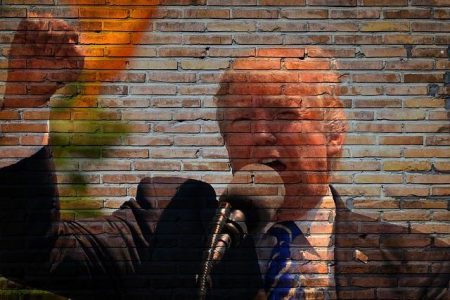




Washington State Sues U.S. Education Department Over Student Loan Forgiveness Limits
Washington state has launched a major lawsuit against the U.S. Department of Education, accusing federal officials under President Donald Trump of unlawfully restricting access to student loan forgiveness programs. State leaders argue that the department has improperly dismantled or obstructed protections meant to help borrowers who were misled or defrauded by their schools, especially by for-profit colleges.
The case, filed in federal court, is part of a broader national battle over how the Trump administration reshaped student loan relief. Its outcome could affect not only thousands of Washington residents, but also borrowers nationwide who depend on federal rules like borrower defense to repayment to seek debt relief when schools engage in misconduct.
Washington’s Lawsuit: State Leaders Push Back on Limits to Student Loan Relief
Washington Attorney General Bob Ferguson has brought a wide-ranging legal challenge targeting the Trump-era overhaul of federal student loan forgiveness rules. The complaint alleges that the U.S. Department of Education:
– Illegally tightened eligibility for loan cancellation
– Ignored Congress’s intent to provide robust protections to borrowers
– Implemented major policy changes without following required public rulemaking procedures
According to the state, the Department of Education reshaped borrower defense programs to favor predatory institutions at the expense of students who relied on deceptive promises about accreditation, job placement, or earning potential. Washington officials contend that the federal government’s actions undo years of work to safeguard student borrowers and leave many with unmanageable debt even when their schools have clear records of misconduct.
Beyond the legal questions, the lawsuit argues the federal rollback shifts financial and social costs onto the states, which must deal with the fallout from defaulted loans, damaged credit scores, and increased demand for social services.
Key concerns highlighted in the filing include:
- Restricted eligibility criteria that sharply reduce who can qualify for borrower defense to repayment.
- Extended processing delays that leave borrowers waiting years for decisions.
- Lack of transparency in how loan forgiveness decisions are evaluated and approved.
- Greater financial exposure for students targeted by misleading advertising and recruitment tactics.
| Issue | Washington’s Allegation | Effect on Borrowers |
|---|---|---|
| Eligibility Rules | Narrowed beyond what the law allows | Far fewer borrowers qualify for relief |
| Processing Time | Delays that violate basic administrative standards | Prolonged uncertainty and mounting stress |
| Transparency | Standards and criteria hidden from public view | Borrowers cannot predict or understand outcomes |
How the Trump Administration Reworked Borrower Defense—and Why It Matters
Under the Obama administration, borrower defense to repayment rules were expanded after a wave of for-profit college scandals and high-profile closures. Those rules aimed to make it easier for students who were misled by their schools to have federal student loans forgiven, especially when there was evidence of widespread, systemic wrongdoing.
The Trump administration, however, moved to replace that framework with far more restrictive regulations. The new approach:
– Imposed tougher standards of proof, often requiring detailed documentation and individualized evidence from each borrower
– Shortened the timeframes for filing claims
– Dramatically limited the use of group discharges, even when state and federal investigations had already established institutional misconduct
Consumer advocates argue that these changes raised the bar so high that many harmed students—particularly low-income borrowers, veterans, and first-generation college attendees—were left with a right to relief that exists mainly on paper. Coupled with slow processing and heavy evidentiary requirements, the system began to discourage new applications, even from borrowers who had compelling cases.
Key shifts cited by critics include:
- Increased burden of proof placed on individual students, who must now meet rigid evidentiary thresholds.
- Extended investigation timelines that delay determinations and relief.
- Weakened accountability for institutions that profited from deceptive recruiting and inflated job-placement figures.
| Policy Aspect | Before Changes | After Changes |
|---|---|---|
| Standard of Proof | Relatively flexible, with room for broader evidence | Strict, documentation-heavy requirements |
| Group Claims | Permitted when patterns of misconduct were shown | Greatly restricted, favoring individual claims |
| Speed of Relief | More timely review and decisions | Backlogs and prolonged processing delays |
For students, the dispute is not merely about technical regulations—it is about who ultimately pays when colleges lie. If Washington and other states prevail, thousands of borrowers who enrolled based on false promises about earnings, accreditation, or transferability of credits could regain access to meaningful loan cancellation and financial restitution. If the federal restrictions remain in place, many of those same borrowers may be compelled to repay loans for programs that never delivered on their advertised value, while the institutions that misled them face limited repercussions.
This conflict is unfolding against the backdrop of a student debt crisis that has grown to roughly $1.7 trillion nationwide, underscoring the importance of clear federal protections for borrowers navigating an increasingly expensive higher education system.
The Legal Clash: Did the Department of Education Overstep Its Authority?
At the core of Washington’s lawsuit is a fundamental question: how much freedom does a federal agency have to reinterpret or restrict a loan forgiveness program that Congress has authorized?
The state contends that under President Trump, the Department of Education:
– Introduced procedural barriers and narrower eligibility definitions that are not supported by the underlying statute.
– Turned what should have been interpretive guidance into binding limitations without following the legally required notice-and-comment rulemaking process.
– Applied policies retroactively, changing the terms of relief for borrowers who had already relied on existing rules.
From Washington’s perspective, these shifts do not simply clarify existing law—they effectively rewrite it, cutting back relief that Congress intended to be widely available when students are misled or defrauded.
Federal officials offer a starkly different view. They maintain that the changes were necessary to:
– Guard against fraudulent or unsupported claims
– Bring consistency to how loan servicers and the department apply borrower defense and other forgiveness programs
– Ensure that taxpayer dollars are protected while still honoring valid cases of school misconduct
Legal experts note that the case will likely turn on core principles of administrative law: how courts interpret agency discretion, what qualifies as a “significant” policy change, and whether the department’s actions amounted to informal guidance or de facto new regulations.
Central issues in the filings include:
- Congressional intent: Did lawmakers design borrower defense and related programs to provide broad access to relief, or did they envision a narrow, tightly controlled remedy?
- Administrative procedure: Were the department’s policy shifts substantial enough that they required formal rulemaking with public input?
- Reliance interests: To what extent did borrowers make educational, financial, and career decisions based on prior promises of loan forgiveness options?
| Legal Question | Washington’s Position | Federal Position |
|---|---|---|
| Scope of Relief | Borrower defense and related programs were unlawfully narrowed | Changes are permissible clarifications within statutory authority |
| Rulemaking Requirements | Major policy shifts occurred without proper notice-and-comment | Actions were guidance and implementation steps, not new rules |
| Impact on Borrowers | Borrowers were misled about available relief and suffered harm | Safeguards are needed to curb abuse and ensure program integrity |
What Borrowers Should Do While the Case Proceeds
As the lawsuit moves forward, borrowers are being encouraged by legal aid organizations and consumer advocates to take proactive steps to protect themselves and preserve their options.
1. Organize and preserve documentation
Students and former students should gather and securely store all relevant records, including:
– Promissory notes and Master Promissory Notes
– Loan servicer statements and letters
– Enrollment agreements and catalogs
– School marketing materials, emails, and admissions scripts
– Job-placement or salary promises made in writing
– Notices of school closure or accreditation changes
These materials can be critical if a borrower later files a borrower defense claim or joins a group action alleging misrepresentation or fraud.
2. Closely monitor loan accounts
Borrowers should log in to their loan servicer accounts and studentaid.gov regularly to:
– Confirm balances and interest accrual
– Download up-to-date payment histories
– Verify that repayment plans and forgiveness programs are correctly reflected
– Watch for official notices of program or policy changes
Relying on official federal portals rather than unsolicited emails, texts, or third-party apps helps borrowers avoid scams that falsely promise “instant” student loan forgiveness for a fee.
3. Use available repayment protections
Until the legal issues are resolved, experts generally advise borrowers to:
– Stay current on payments when possible, to avoid default and added collection costs
– Explore income-driven repayment plans that cap payments based on income and family size
– Consider forbearance or deferment in cases of unemployment, health crises, or other serious hardship
– Seek advice from nonprofit credit counselors or legal aid organizations before making major decisions such as consolidating or refinancing federal loans
How Colleges Can Respond: Compliance, Transparency, and Student Support
Colleges that have been the subject of borrower defense complaints—or that operate in high-risk recruiting environments—face growing pressure to tighten their internal oversight. Attorneys and financial aid officers are being urged to conduct thorough compliance reviews before courts or regulators require more invasive scrutiny.
Recommended steps for institutions include audits of:
– Recruitment and admissions practices, including call scripts and presentation materials
– Reported job-placement and salary outcomes, ensuring data is accurate, current, and verifiable
– Tuition, refund, and withdrawal policies, confirming they are clearly disclosed and consistently applied
– Accreditation and licensure claims, making sure all public statements match official records
At the same time, many campuses are expanding financial education and transparency to help students make more informed decisions about borrowing and program value. Common reforms include:
- Clearer financial aid award letters that clearly distinguish between grants, scholarships, work-study, and loans.
- Publicly accessible program outcomes—such as graduation rates, licensure pass rates, and typical earnings—posted on program webpages.
- Independent ombuds offices or hotlines where students can confidentially report concerns about misleading advertising or promises.
| Borrowers | Colleges |
|---|---|
| Keep thorough records of loans and school communications | Review and correct marketing and admissions claims |
| Monitor accounts and understand repayment options | Provide transparent information on costs and outcomes |
| Seek legal or nonprofit assistance if misled | Strengthen compliance systems and internal oversight |
Looking Ahead: What This Lawsuit Could Mean for Student Loan Forgiveness
As Washington’s lawsuit progresses, it will serve as a key test of how far states can go in challenging federal education policy created under the Trump administration and how much authority federal agencies have to narrow programs like borrower defense to repayment.
For now:
– Washington officials vow to continue pressing their claim that the Department of Education has unlawfully placed crucial loan relief out of reach for many borrowers.
– Federal officials maintain they are acting within their legal authority to reinterpret and administer complex student loan regulations.
The case is expected to unfold over months, with no immediate timeline for a final ruling. In the meantime, the stakes remain high for borrowers who attended institutions that used aggressive or deceptive tactics. The outcome will shape not only their financial futures, but also the credibility of federal oversight in a higher education landscape where the cost of a degree—and the risk of taking on significant debt—continues to rise.