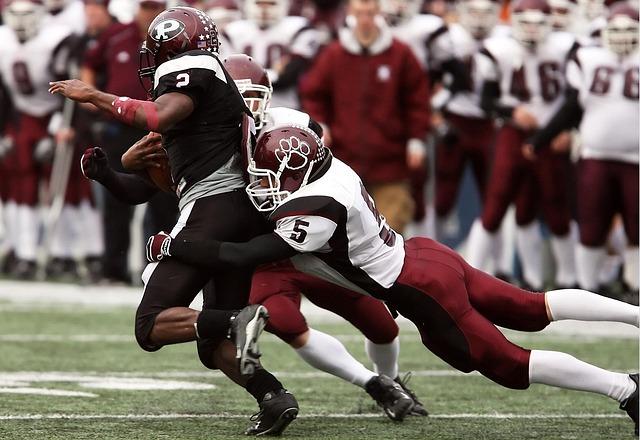
A Washington high school football team has shut down its season ahead of schedule, cancelling its last two games after safety concerns and mounting injuries pushed the program to a breaking point. The move, first highlighted by USA Today, has ignited conversation across the state about how far schools should go to protect student-athletes, and what happens when the realities of roster depth and player health collide with competitive expectations.
In an era when high school sports are under sharper scrutiny than ever, this decision is emerging as a case study in how administrators, medical staff, and families navigate the tension between tradition, performance, and long-term well-being.
Why a Washington High School Football Team Ended Its Season Early
What started as quiet concern among players and parents gradually turned into a formal review of whether the team could safely finish its schedule. Over several weeks, coaches and district officials tracked a sharp rise in injuries, frequent absences, and a depth chart that looked thinner every Friday.
Film sessions revealed backups with limited experience being thrust into key roles against bigger, stronger league opponents. Medical staff flagged recurrent issues, from nagging soft-tissue injuries to suspected concussions. Parents began to question whether the team still had enough healthy, prepared athletes to compete responsibly.
After reviewing:
– Injury reports and return-to-play timelines
– Practice and game footage
– Input from athletic trainers and medical professionals
– Feedback from families and school staff
district leaders and coaches determined that continuing the season would expose players to an unacceptable level of risk. In a rare step for a varsity program, the team chose to forfeit its remaining two contests, emphasizing that safeguarding student-athletes had to outweigh any competitive or reputational cost.
Safety First: New Steps After the Season Shutdown
The administration made clear that the decision was not just about ending a difficult year, but about setting a new standard for how the program will operate going forward. Rather than treat the cancellation as a one-time crisis, district leaders unveiled a plan to reshape how football is managed at the school.
Key measures under consideration or already in motion include:
- Expanded pre-season screening: More thorough medical and orthopedic evaluations before athletes are cleared to participate.
- Updated practice structure: Reduced full-contact periods, increased emphasis on technique, film study, and non-contact drills.
- Minimum roster safeguards: Establishing roster thresholds below which the team will not play, especially at key positions like offensive and defensive line.
- Enhanced coach training: Additional education on concussion recognition, impact monitoring, and safe tackling methods aligned with national guidelines.
| Key Factor | Role in Season Cancellation |
|---|---|
| Player Injuries | Highlighted immediate safety hazards and long recovery times |
| Roster Size | Left too few healthy, experienced players for safe competition |
| Parent Concerns | Added pressure for the district to prioritize player protection |
| Medical Input | Reinforced the recommendation to end the season early |
The school’s message to its community was clear: wins, standings, and tradition matter, but they are secondary to the obligation to keep teenagers from being placed in situations that could jeopardize their health.
Emotional Fallout: How Players, Coaches, and Parents Are Coping
Inside the locker room, the announcement landed with a weight that went far beyond statistics or standings. Lockers that were supposed to be emptied in November were cleared weeks early. Seniors quietly folded jerseys they had expected to wear under stadium lights a few more times. Underclassmen stared at schedules that suddenly had blank spaces where rivalry games used to be.
Reactions were complex and often conflicting:
- Players spoke about feeling robbed of a chance to finish what they started, even as some admitted they were physically and mentally drained.
- Coaches wrestled with guilt and relief, knowing they had chosen safety while also fearing the message it might send about toughness and commitment.
- Parents balanced pride in their children’s dedication with anxiety about injuries, lingering symptoms, and uncertain futures in the sport.
| Group | Dominant Emotion | Underlying Concern |
|---|---|---|
| Players | Disappointment | Lost chances to grow, compete, and be noticed |
| Coaches | Inner conflict | How the decision will shape the program’s identity |
| Parents | Protective worry | Children’s physical health and emotional resilience |
At-Home Conversations and Quiet Questions
For families, the hardest work often started after the stadiums went dark. Kitchen tables turned into debriefing rooms as players tried to process what the abrupt ending meant.
Some seniors wondered aloud whether their years of early-morning lifts and summer practices would still translate into opportunities at the next level. Underclassmen asked if this was a sign they should reconsider their involvement in the sport. Parents tried to reassure them while also grappling with their own mixed feelings.
These conversations frequently boiled down to a key trade-off: the emotional and cultural value of finishing a tough season versus the cumulative physical and psychological strain of continuing to compete in a situation that no longer felt safe or sustainable.
Impact on League Standings, Recruiting, and Washington Prep Football
The decision did not just shape one team’s story; it also altered the broader landscape of Washington prep football. With two games removed from the schedule, opponents picked up automatic victories via forfeit, changing league records and playoff scenarios without a single play being run.
For athletic directors and conference officials, that raises tricky questions:
- Standings distortion: Forfeit wins and losses count on paper, but they do not reflect true on-field competitiveness.
- Playoff implications: Seeding, tiebreakers, and wild-card selections may shift based on scheduling quirks rather than head-to-head performance.
- Recruiting challenges: Seniors and promising underclassmen lose valuable film and live reps against league competition, which typically carries the most weight with recruiters.
- Evaluation adjustments: College coaches must rely more heavily on past games, camp performances, measurable data, and multi-sport participation.
| Group | Immediate Effect | Ongoing Concern |
|---|---|---|
| Senior Starters | Lost final opportunities to showcase skills in live games | Limited exposure that could affect scholarship chances |
| Underclass Prospects | Fewer in-game reps and recent film | Potential delays in gaining attention from recruiters |
| Opposing Teams | Free wins in the league standings | Questions about the perceived legitimacy of playoff paths |
Recruiting in a Disrupted Season
The timing of the shutdown matters. Fall is a crucial evaluation window: highlight tapes are edited, college boards finalize target lists, and coaching staffs determine who will receive offers, preferred walk-on spots, or invitations to junior days.
With two weeks of competition erased:
– Athletes lose chances to show late-season improvement against familiar rivals.
– Standout performances that might have shifted a coach’s opinion never happen.
– Multi-game trends — consistency, leadership under pressure, adaptability — are harder to judge.
Families and high school coaches are already looking for ways to fill the gap. They are circulating expanded cutups from earlier games, emphasizing off-season camp results, and encouraging athletes to attend winter and spring showcases. Still, in a competitive recruiting environment, missing league contests can be a meaningful setback, particularly in a state where the number of available scholarships is limited and attention often concentrates on a narrow group of programs and prospects.
Policy Gaps and Calls for Clearer High School Football Safety Rules
Beyond one school’s story lies a larger question: who decides when a high school football season should end early, and according to what standards?
While most districts now maintain written protocols for concussions, heat illness, and emergency action plans, far fewer have explicit guidance about:
– When a team’s roster is too depleted to compete safely
– How clusters of injuries should influence scheduling decisions
– When mental health and burnout rise to the level of program-wide concern
As a result, administrators and coaches often find themselves making high-stakes calls in a regulatory gray zone. The lack of uniform guidelines can fuel frustration among parents, confusion among athletes, and potential legal exposure if decisions seem inconsistent from school to school.
Experts Push for Standardized Triggers and Review Processes
Sports medicine professionals and education policy experts are urging state athletic associations and school boards to adopt clearer, statewide frameworks for situations like the one in Washington. Proposals under discussion include:
- Defined thresholds: Setting specific benchmarks — such as a minimum number of healthy players at key positions or a documented pattern of similar injuries — that trigger formal review.
- Medical-led evaluations: Requiring input from certified athletic trainers or team physicians before a season can be paused or ended.
- Independent perspectives: Involving neutral evaluators in borderline cases to reduce pressure on coaches and principals.
- Transparent communication: Clearly informing families about criteria, timelines, and rationales when cancellations or forfeits are under consideration.
Advocates argue that standardized procedures would help keep student welfare at the center of decision-making while also giving communities confidence that choices are based on evidence and pre-established rules, not short-term emotions or competitive interests.
Without such guidelines, they warn, other programs may face the same uncertainty that surrounded this Washington high school’s decision, leaving teenagers and their families to navigate shifting expectations in real time.
Future Outlook: What This Means for High School Football
As the abbreviated season fades into memory, the implications continue to reverberate. This Washington high school’s choice to walk away from its final games crystallizes a broader shift in how communities view prep football — not just as a source of pride and tradition, but as an activity that demands constant reassessment of risk, resources, and responsibility.
Key questions now loom for administrators, coaches, and families:
– How many players are truly enough to field a safe, competitive team?
– What level of injury risk is acceptable in a sport built on contact and collision?
– How should schools balance opportunities for exposure and scholarships with long-term health?
– What should the culture of high school football prioritize: toughness at all costs, or durability and balance?
Whether this season’s early ending remains a rare outlier or becomes a sign of changes to come, it forces a difficult but necessary conversation: what should high school football demand of teenagers, and how can schools ensure that those demands do not cross the line from challenging to unsafe?
In the years ahead, the answer may increasingly be shaped not just on the field, but in school board meetings, medical conferences, and living rooms — wherever people are willing to ask what it truly means to protect and support student-athletes.