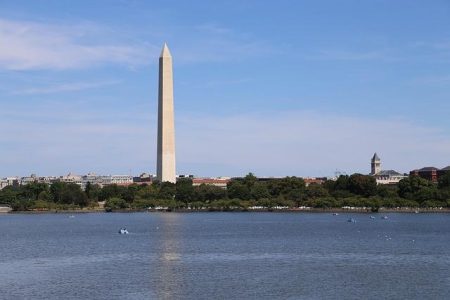



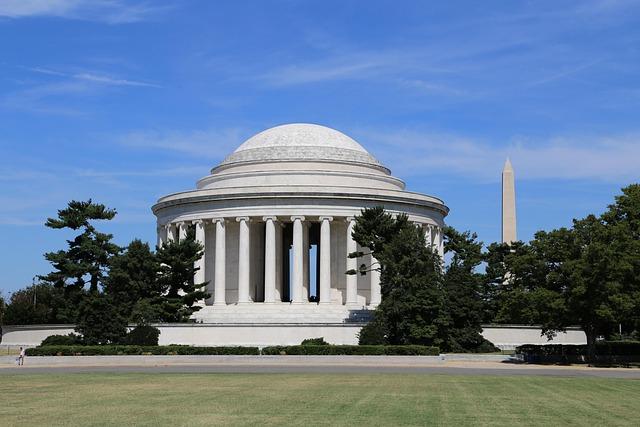
The nation’s capital is gearing up for a new kind of summer spectacle as the NTT INDYCAR SERIES prepares to unleash top-level open-wheel racing on the streets of Washington, D.C. for the very first time. The Freedom 250 Grand Prix, slated for August, will convert parts of downtown into a temporary, high-speed arena where advanced race cars and world-class drivers perform just steps from iconic landmarks.
According to organizers and city officials, the Freedom 250 is being built as more than a standalone race. It is envisioned as a multi-day cultural and entertainment festival, tailored to attract hardcore motorsports enthusiasts, casual fans, local families, and international visitors alike. With planning now in full swing, the event is drawing increasing scrutiny around its logistics, financial upside, and impact on neighborhoods—ensuring the Freedom 250 will be one of the most closely watched new additions to the 2024 NTT INDYCAR SERIES schedule.
A new era of street racing in Washington, D.C.
A purpose-built urban circuit in the heart of the city
For the Freedom 250 Grand Prix of Washington, D.C., engineers have designed a bespoke street circuit that threads through the city’s monumental core, using existing avenues and plazas as the foundation for a temporary racetrack. The course weaves between major landmarks and tree-lined corridors, with purpose-built chicanes and sharp 90-degree corners punctuating its long, full-throttle sections.
The result is a layout that mixes:
- Extended, high-speed straights where cars can push beyond 200 mph
- Heavy braking zones that encourage bold overtakes from top speed
- Technical complexes that demand precision over bumps, paint lines, and camber changes
To cope with D.C.’s August heat, the road surface has been carefully prepared, with an asphalt composition tuned for grip retention and resistance to temperature-related degradation. Subtle elevation changes and aggressive curbs will reward those who can ride the limit while punishing even small misjudgments—ideal ingredients for close, unpredictable street racing.
Technical challenge for drivers and teams
Initial simulations and early driver briefings suggest this Washington, D.C. street circuit could quickly rank among the most physically and strategically demanding venues on the NTT INDYCAR SERIES calendar. Teams are already modeling how to balance low-drag setups for raw speed with enough downforce and stability to survive the punishing braking zones and uneven surfaces.
Key performance talking points for the Freedom 250 include:
- Braking loads:
Multiple slow corners reached from maximum velocity will push braking systems to their thermal limits, especially late in the race when grip tapers off.
- Tire degradation:
Sustained lateral loads through medium-speed corners and sweepers will accelerate tire wear, making compound choice and pressure settings crucial.
- Strategy windows:
Fuel consumption profiles on this stop-start layout could result in slim pit windows, forcing teams to commit early to either aggressive undercuts or long-run conservation.
- Prime overtaking zones:
Wide braking areas into Turn 1 and the final corner complex are expected to be hotspots for late-braking passes and side-by-side action.
| Track Feature | Specification |
|---|---|
| Main straight length | 1.1 miles |
| Estimated top speed | 212 mph |
| Primary passing zone | Turn 1 hairpin |
| Target qualifying lap time | ≈ 1:05 |
With compact walls, narrow escape roads, and ever-changing grip conditions, the Freedom 250 is expected to place a premium on driver discipline, timing of cautions, and pit-lane execution—elements that have historically produced some of INDYCAR’s most dramatic street races.
Economic and tourism gains: why the Freedom 250 matters to Washington, D.C.
Major visitor influx and spending potential
Local authorities and business leaders are preparing for a surge of visitors during the Freedom 250 race week. Based on early estimates compiled by tourism and hospitality organizations, tens of thousands of spectators, sponsors, team personnel, and media are poised to descend on the region, filling hotel rooms in the District and surrounding areas.
Hotels near downtown D.C. and the National Mall are already signaling strong interest, with many planning special packages that include race tickets, dining credits, and late checkouts. Restaurants, bars, and nightlife venues are exploring extended hours, themed menus, and watch parties to capture race-related traffic throughout the multi-day program of practice, qualifying, and fan experiences.
Sectors projected to benefit most from the Freedom 250 Grand Prix of Washington, D.C. include:
- Hospitality:
Elevated occupancy rates, higher average daily room prices, and multi-night stays tied to race week and city sightseeing.
- Food & Beverage:
Boosted reservations, group bookings for teams and sponsors, and increased demand for quick-service options near transit hubs and viewing zones.
- Retail:
Strong sales for motorsports gear, Washington, D.C.-branded apparel, and souvenir items as visitors seek mementos of both the city and the inaugural event.
- Transportation:
Expanded use of ride-sharing platforms, taxis, regional rail, and local transit, combined with increased demand for short-term parking and shuttle services.
| Category | Projected Impact |
|---|---|
| Visitors | 30,000–50,000 race week arrivals |
| Hotel Occupancy | Up to 95% in central districts |
| Local Spending | Multi-million dollar weekend boost |
Positioning D.C. as a global events destination
In recent years, cities hosting major motorsport events have experienced heightened international exposure, with global broadcasts showcasing not only the race but also urban skylines, waterfronts, and cultural districts. Washington, D.C. leaders expect the Freedom 250 to play a similar role, presenting the capital as a destination where history, culture, and top-tier sport intersect.
Broadcast coverage and digital content from INDYCAR and partner networks will spotlight:
- Panoramic views of the Capitol Region and riverfront
- Neighborhoods known for arts, dining, and nightlife
- Museums, memorials, and public spaces beyond the usual postcard angles
Destination marketing agencies are working with race organizers to assemble bundled experiences—combining race tickets with museum admissions, neighborhood tours, and curated itineraries—to convert race-goers into longer-stay visitors. The strategy is to integrate the Freedom 250 into Washington’s already robust schedule of conventions, festivals, and cultural programming.
If successful, the event could strengthen D.C.’s profile as a year-round hub for both leisure and business travel, using one weekend of high-speed action as a catalyst for repeat visits and sustained economic momentum.
Keeping the city moving: safety, security, and mobility plans
Coordinated security for residents and visitors
With the introduction of a large-scale street race in a complex urban environment, District authorities have assembled a detailed operations and public safety framework for the Freedom 250 weekend. Metropolitan Police, federal security agencies, and private contractors will collaborate through a centralized command system designed to monitor crowd flows, manage incidents, and minimize disruption to daily life in nearby neighborhoods.
Core safety and security measures will include:
- Controlled access zones around sensitive areas such as pit lane, garages, and the paddock, restricted to credentialed individuals.
- Screening procedures—including bag checks and magnetometers—at all spectator entry points to the race precinct.
- Resident access routes ensuring that people living within or adjacent to the circuit footprint can enter and exit their homes via designated checkpoints.
- Noise and event curfews aimed at limiting late-night disruptions and maintaining acceptable sound levels for local communities.
Traffic management and transit alternatives
To accommodate the influx of spectators while reducing vehicle congestion, transportation planners have published a framework of diversions, transit upgrades, and walking and cycling routes for race week. DDOT and WMATA will work in tandem to increase capacity during peak entry and exit periods surrounding on-track sessions.
Public guidance for the Freedom 250 Grand Prix of Washington, D.C. emphasizes:
| Time of Day | Suggested Action | Primary Mode |
|---|---|---|
| Morning | Rely on Metro and bus routes; avoid driving around the race circuit loop | Transit |
| Midday | Plan for rolling closures and detours on key downtown streets | Private Vehicle |
| Evening | Use marked pedestrian corridors and follow signage to exits and stations | Pedestrian |
Further transportation measures include:
- Increased Metro frequency on major lines serving downtown D.C. and the National Mall area before and after track sessions.
- Temporary protected bike lanes and secure bike parking separating cyclists from race-related traffic and road closures.
- Real-time digital updates pushed via official city apps, text alerts, and social media, allowing residents and visitors to adjust travel routes quickly as conditions change.
By combining multi-agency security coordination with robust transit planning, officials expect to keep both the event and the wider city functioning smoothly across the Freedom 250 weekend.
Freedom 250 fan guide: tickets, access, and on-the-ground tips
How to buy Freedom 250 tickets and plan your visit
Fans looking to attend the Freedom 250 Grand Prix of Washington, D.C. will primarily secure their spots online through the official INDYCAR ticketing platform. Because demand is expected to grow as August approaches, race organizers recommend purchasing early to access preferred seating areas and pricing.
Ticketing options are anticipated to include:
- General admission access with flexible viewing in designated zones
- Reserved grandstands offering numbered seating and elevated sightlines over key corners and straights
- Hospitality suites and premium experiences for corporate groups and fans seeking catered environments, paddock views, and VIP amenities
Dynamic pricing models are likely to adjust rates in response to sales trends and availability closer to race week. To stay ahead of price changes and special opportunities, prospective attendees should:
- Sign up for official INDYCAR and event email lists
- Follow verified social media channels for presale codes and flash promotions
- Monitor INDYCAR.com for updates on new ticket blocks, viewing areas, and hospitality offerings
In line with broader trends across major events, digital ticketing will dominate. Spectators are encouraged to download their passes in advance—and consider saving offline copies or screenshots—to avoid connectivity issues at entry gates and speed up security screening.
Navigating the circuit and maximizing race day
Inside the urban venue, visitors will find a network of grandstands, fan zones, merchandise areas, and access paths to paddock viewing points. Official mobile apps and on-site signage will guide spectators around the layout and highlight key amenities.
To get the most out of race day at the Freedom 250 Grand Prix of Washington, D.C., fans should consider the following strategies:
- Arrive via public transit:
Downtown parking will be limited and often priced at a premium. Using Metro and buses will likely be the fastest and most cost-effective option.
- Review the circuit map in advance:
Identify the closest entrances to your seating area, locate first-aid stations, restrooms, and food courts, and note alternate routes in case some walkways become congested.
- Prepare for summer weather:
Grandstands and open viewing zones may have limited shade. Light layers, sunscreen, hats, and refillable water bottles (where permitted) will help manage heat and sun exposure.
- Organize your schedule around track sessions:
Plan visits to fan zones, exhibits, and merchandise stands during lulls between practice, qualifying, and support races so you don’t miss key on-track moments.
A basic race-day rhythm might look like this:
| Race Day Period | Recommended Fan Focus |
|---|---|
| Gates Open | Scan tickets, orient yourself with maps and signage, locate your primary viewing spot |
| Practice & Qualifying | Explore fan zones, paddock views (where accessible), concessions, and photo vantage points |
| Pre-Race Program | Return to seats, watch driver introductions, pre-race ceremonies, and grid preparations |
| Main Event | Remain in position, follow live timing and commentary, and plan your exit route for post-race departures |
By preparing ahead, fans can reduce time spent in queues, improve their viewing experience, and fully immerse themselves in the atmosphere of a top-tier NTT INDYCAR SERIES street race.
The Conclusion
As August approaches and planning intensifies, the Freedom 250 Grand Prix of Washington, D.C. is on track to become a landmark moment for both the NTT INDYCAR SERIES and the nation’s capital. The combination of elite drivers, a challenging new street circuit, and one of the world’s most recognizable urban backdrops promises a weekend that blends high-speed drama with significant economic and cultural impact.
In the weeks ahead, organizers will unveil more details on the weekend schedule, support events, final track layout, and fan programming. Updated information will continue to be published on INDYCAR.com as Washington, D.C. counts down to its debut as the newest host city on the NTT INDYCAR SERIES calendar—and prepares to showcase open-wheel racing on one of motorsport’s most prominent new stages.