


Washington, D.C. Lands 2027 NFL Draft, Signaling New Era for the Nation’s Capital
President Donald Trump announced Monday that Washington, D.C., will host the 2027 NFL Draft, the first time the league’s marquee offseason showcase will take place in the nation’s capital. Unveiled during remarks at the White House, the decision places Washington in the company of recent draft hosts that have transformed the three-day event into a massive tourism draw and broadcast juggernaut.
The move highlights the NFL’s strategy to keep expanding its geographic reach while tapping into the political and symbolic power of high-profile cities, especially in the heat of an election-year atmosphere. With the league continuing to post record media audiences—over 55 million viewers tuned in across all three days of the 2024 draft—D.C. is now preparing for a spotlight unlike any it has seen in modern sports history.
Washington steps onto center stage: a new chapter in the capital’s sports story
By confirming Washington, D.C., as the 2027 NFL Draft host, President Donald Trump has effectively recast the city as more than the seat of federal power. For one extended weekend in 2027, the District will double as the epicenter of pro football, televised pageantry and civic branding.
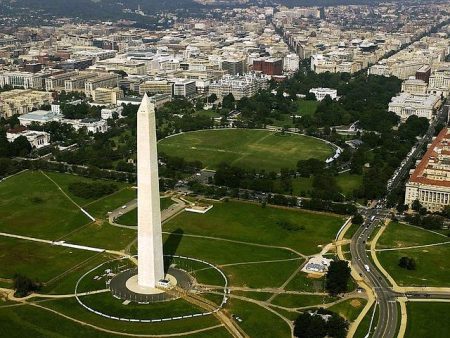
Preliminary concepts envision a sprawling event footprint stretching from the National Mall to the fast-growing Wharf along the Southwest waterfront. Iconic monuments, views of the Capitol and the Potomac shoreline are all in play as backdrops for nationally televised segments, concert stages and interactive fan zones.
City strategists are billing the draft as a “sports and state” convergence, with expectations of:
- Massive national and international media exposure across multiple platforms.
- A week-long boost in hotel bookings, restaurant demand and cultural tourism.
- Expanded collaboration between Washington’s pro franchises and civic institutions.
Local teams—the Commanders, Wizards, Capitals and D.C. United—are already exploring joint campaigns and cross-promotions designed to keep visitors in the city beyond draft weekend, from arena tours and watch parties to combined ticket packages for games later in the year.
Redefining D.C.’s identity: from political capital to multi-sport showcase
Behind the scenes, the 2027 NFL Draft is accelerating a broader conversation: What kind of city does Washington want to be in the national imagination? Municipal leaders and business coalitions are seizing the moment to present D.C. as a destination where sports, culture, history and hospitality intersect year-round—not only when Congress is in session.
City and league planning documents point to four key strategic pillars:
- Brand repositioning: Elevate Washington as a premier multi-sport hub, anchored by the NFL Draft but extending to NBA, NHL, MLS and college events.
- Connected fan zones: Seamlessly link the Mall, museums and stadium districts with walkable corridors and curated experiences.
- Long-term investments: Use the draft as a catalyst for permanent upgrades in transit, digital wayfinding, public plazas and waterfront venues.
- Inclusive community initiatives: Tie in youth football clinics, neighborhood festivals, sports equity programs and small business opportunities across all wards.
| Year | Draft City | Estimated Visitors | Economic Impact |
|---|---|---|---|
| 2024 | Detroit | ~700,000 | $160M |
| 2025 | Green Bay | ~350,000 | $90M |
| 2026 | To Be Announced | ~500,000* | $120M* |
| 2027 | Washington, D.C. | ~800,000* | $180M* |
*Projected figures based on league and city planning estimates.
These projections align with recent trends: since moving out of Radio City Music Hall and onto the road in 2015, the NFL Draft has consistently attracted hundreds of thousands of visitors and generated nine-figure economic impacts in host markets.
Economic jolt vs. growing pains: how the draft could reshape D.C. neighborhoods
At street level, the 2027 NFL Draft is expected to feel like a citywide festival rolled into a long holiday weekend. Hotels are forecast to reach or exceed capacity, short-term rentals are likely to command premium rates, and popular restaurants may book out weeks ahead of the event.
Early budget models from city analysts anticipate a surge in sales, hotel and meals taxes, with the biggest immediate beneficiaries clustered near major transit hubs and entertainment corridors. Areas that have already invested in nightlife, food halls, boutique lodging and cultural programming are positioned to capture much of this demand.
- Hospitality: Near-full occupancy in hotels, high demand for short-term rentals, and elevated nightly pricing.
- Food & beverage: Special draft-week menus, extended operating hours, outdoor seating and themed pop-ups.
- Transportation: Heavier Metro ridership, modified bus routes and sustained pressure on rideshare and taxi services.
- Public services: Expanded trash collection, visible police presence and increased EMS coverage across fan zones.
| Neighborhood | Upside | Pressure Point |
|---|---|---|
| Downtown/Penn Quarter | Higher revenue for bars, restaurants and arenas | Street closures, heavy foot traffic and congestion |
| Navy Yard | Expanded waterfront programming near Nationals Park | Parking strains and spillover on residential blocks |
| H Street NE | Boosted nightlife and live-music crowds | Noise complaints and late-night activity concerns |
Still, the same influx of visitors that fills cash registers also risks intensifying long-standing worries over congestion, noise and affordability. Residents who have already felt the effects of rapid development are bracing for weeks of pre-event construction, lane closures and evolving security perimeters.
Transit advocates caution that the Metro system—still rebuilding trust after years of reliability challenges—will need extra trains, staffing and contingency plans to handle peak loads that could resemble playoff crowds over multiple days. Neighborhood leaders, meanwhile, are pressing the city to ensure that temporary markets, vendor licenses and sponsorships prioritize local operators instead of relying solely on national chains.
For many Washingtonians, the central question is whether the NFL Draft’s economic jolt will leave a tangible legacy—safer intersections, upgraded sidewalks, improved transit connections—or whether the benefits will evaporate once the stages come down and the last fans head home.
Security showcase and political theater: inside the NFL’s most complex draft site yet
Staging the NFL Draft within sight of the White House and U.S. Capitol transforms a sports event into something closer to a diplomatic summit. Instead of relying primarily on local law enforcement and private security, planners must now layer in federal agencies, Secret Service protocols and airspace restrictions.
The NFL’s typical security framework—focused on controlled entry points, bag checks and on-site surveillance—will be overlaid with:
- Secret Service-led protective details for President Donald Trump and other dignitaries.
- Restricted flight zones and anti-drone enforcement above major venues.
- Designated demonstration areas and clearly separated protest corridors.
Credentialing for staff, media, players and VIPs will be far more stringent than at most past drafts, with multi-tiered clearances replacing standard badge systems. Fans can expect airport-style screening at major access points, more visible barricades and a heavier uniformed and plainclothes presence.
At the same time, the NFL and its broadcast partners are determined to ensure the on-field story—prospects realizing lifelong dreams—remains front and center. That requires careful choreography in a city where politics is never far from the frame.
- NFL decision-makers are advocating for expansive fan access, bold stage designs and dramatic night-time visuals featuring the city’s skyline and monuments.
- Federal security teams are focused on perimeters, evacuation routes, surveillance and rapid response plans.
- District officials are tasked with balancing free-speech protections, traffic flow, public transit and neighborhood quality of life.
- Television networks are planning camera positions and storylines that emphasize football, not partisan clashes.
| Priority | Lead Authority | Primary Concern |
|---|---|---|
| Presidential Presence | Secret Service | Protective bubble, secure routes and access control |
| Fan Experience | NFL & Teams | Lines, proximity to the stage, interactive elements |
| Public Order | Metro Police | Protests, demonstrations, crowd dispersal |
| Broadcast Image | Networks | Framing, storytelling, ratings performance |
The result will likely be the most tightly managed draft in league history—part football celebration, part security operation and part national political tableau broadcast in prime time.
Getting ready now: how city leaders, businesses and fans can capitalize on 2027
While 2027 may seem distant, major events of this scale require years of preparation. District agencies, regional transit partners and venue operators are already sketching out timelines that must align with the NFL’s fixed planning calendar.
Among the early priorities:
- Coordinating permitting and street-closure policies across multiple jurisdictions.
- Aligning Metro, bus and commuter rail schedules with expected game-day peaks.
- Designing wayfinding to move fans from central watch areas to neighborhood businesses.
City marketers and tourism officials are developing a unified “Draft Week in DC” identity that frames Washington as a multi-day destination: football on the Mall, live music on the waterfront, museum hours extended into the evening and neighborhood food tours highlighting the city’s diverse culinary scene.
Small businesses are being encouraged to see the 2027 NFL Draft not just as a boost in foot traffic but as a chance to create long-term customers. Restaurants, bars, breweries, galleries and shops along likely fan routes are exploring:
- Joint promotions and neighborhood-wide “passport” programs.
- Exclusive draft-themed offerings and limited-edition merchandise.
- Partnerships with hotels and tour operators to bundle local experiences.
Fan groups—both local and visiting—are expected to play a major role in shaping the city’s atmosphere, organizing meetups, charity events and team-specific rallies across multiple neighborhoods.
- Coordinated marketing: Consistent “Draft Week in DC” branding on signage, transit ads and digital platforms to connect venues, neighborhoods and cultural institutions.
- Fan-friendly policies: Clear guidelines on permitted items, mobile tickets, Metro usage and rideshare drop-off zones distributed through apps and social channels.
- Community safeguards: Noise ordinances, crowd-flow plans and public-safety protocols that preserve residential quality of life while supporting extended hours in commercial corridors.
| Stakeholder | Priority Now | Draft-Week Goal |
|---|---|---|
| City Agencies | Finalize permits, security coordination & transit plans | Safe, efficient crowd movement with minimal disruption |
| Local Businesses | Develop offers, staffing plans and neighborhood promotions | Higher sales, new customers and repeat visits post-draft |
| Fan Groups | Organize travel, lodging and meetups | Coordinated, visible fan presence that enhances the atmosphere |
The Conclusion
As planning accelerates, the focus will shift from headline-grabbing announcements to the detailed work of staging a secure, seamless, and memorable 2027 NFL Draft in Washington, D.C. For the District, the event is both a powerful economic catalyst and a rare chance to redefine its national image beyond politics. For the NFL, it is another step in rotating one of its signature offseason showcases through major American markets while elevating the league’s brand.
Whether Washington emerges as an occasional host or a recurring stop in the NFL’s draft rotation will depend on how effectively the city manages security, transportation, neighborhood impacts and the unavoidable political crosscurrents. If the District can deliver a fan experience worthy of its iconic backdrop—while leaving behind lasting improvements in infrastructure and community investment—the 2027 NFL Draft could mark the beginning of a new era for the nation’s capital as a premier sports destination.